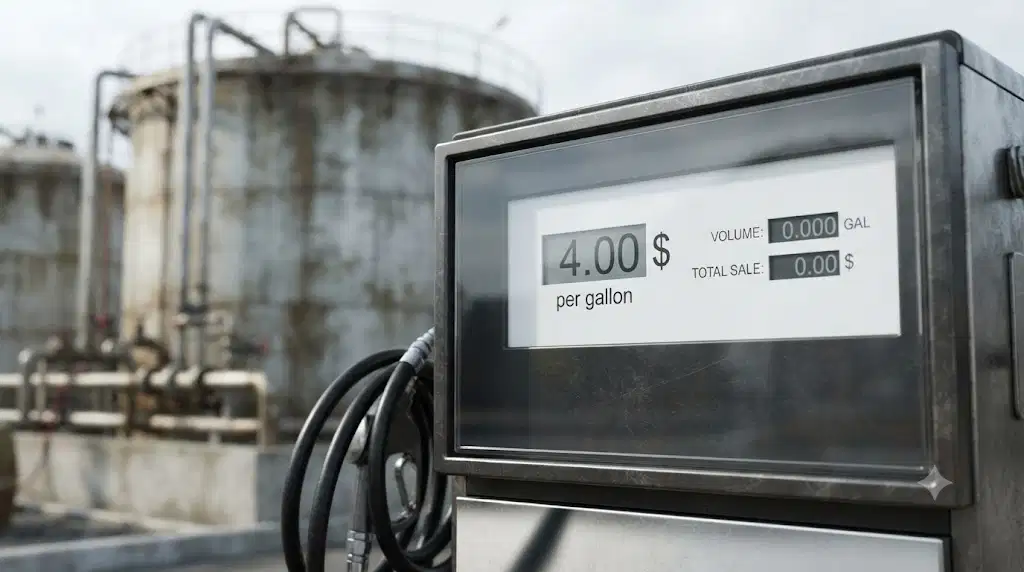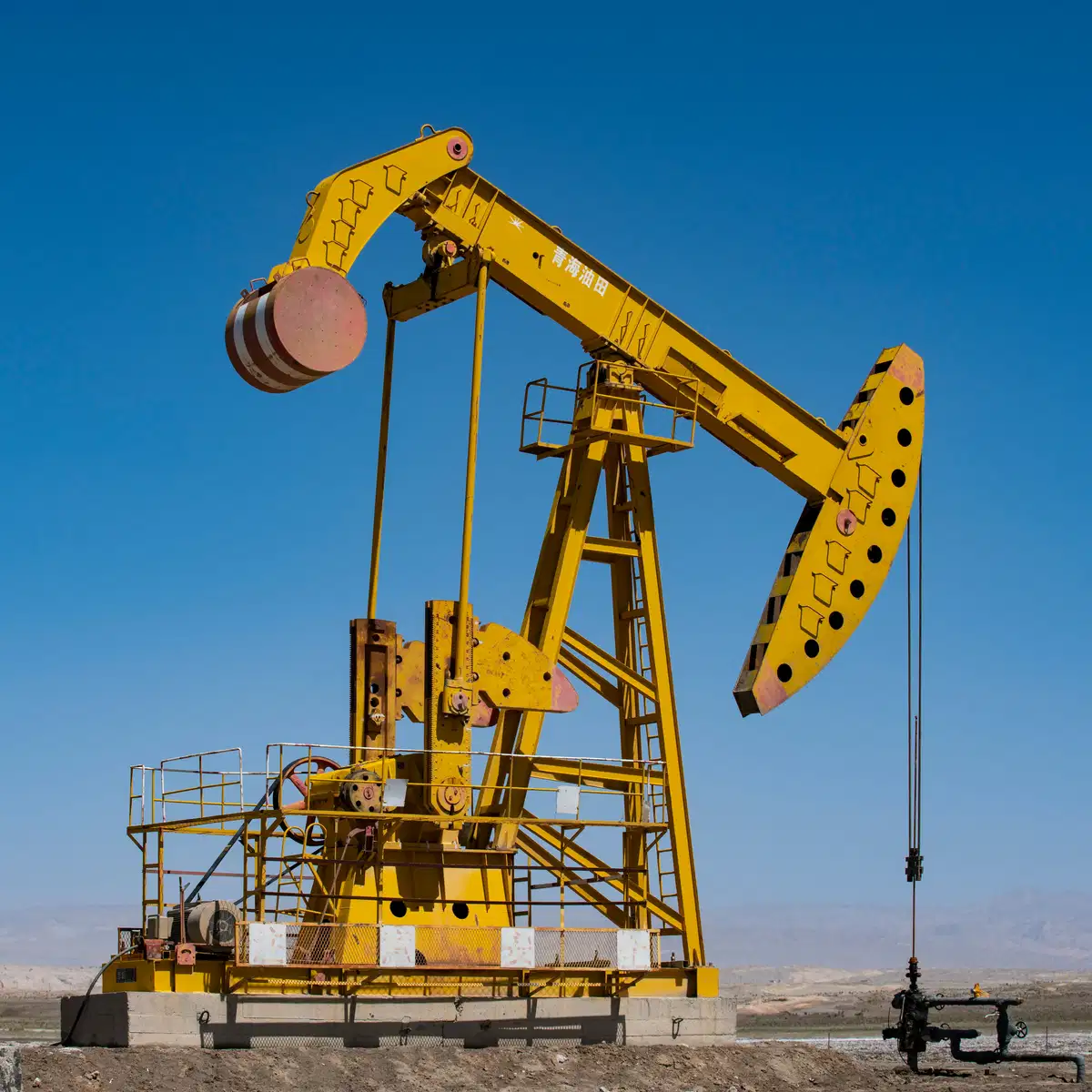
Brent crude oil averaged USD 107 per barrel in May 2026, roughly USD 10 lower than April and marking the first monthly average decline since December 2025. For chemical producers, that price movement matters far beyond the energy sector.
The chemical industry remains closely tied to crude oil through feedstocks such as naphtha. As Brent retreats from recent highs, companies across petrochemicals, polymers and intermediates are seeing a shift in production economics. Procurement teams that spent months managing rising feedstock costs now face a different challenge: determining whether the current decline represents a temporary correction or the start of a broader trend.
Why Brent Crude Still Shapes Chemical Economics
Many chemical products begin their cost journey in the oil market.
Although not every chemical producer relies directly on crude oil, Brent remains one of the most important indicators for feedstock pricing throughout the global petrochemical chain. Changes in crude values often influence naphtha, aromatics and olefin economics.
For chemical companies, Brent affects:
Feedstock costs for naphtha-based crackers across Asia and Europe.
Production economics for ethylene, propylene and many downstream derivatives.
Pricing expectations throughout polymer and intermediate markets.
Inventory management and procurement planning decisions.
When oil rises sharply, margins often come under pressure unless product prices increase at a similar pace. When oil declines, the opposite can occur.
The May Price Decline and What Triggered It
The May average of USD 107 per barrel represented an important turning point after months of elevated pricing.
Reports suggesting progress toward a potential US-Iran ceasefire agreement contributed to softer market sentiment. At the same time, traders reassessed supply risks that had supported higher crude prices throughout much of the year.
Despite the decline, markets remain far from stable.
The de facto closure of the Strait of Hormuz has now lasted more than three months since military action began on February 28. This ongoing disruption continues to create uncertainty for energy and chemical supply chains worldwide.

Naphtha Prices Respond with a Lag
Naphtha rarely moves in perfect synchronization with Brent.
Instead, refiners, traders and petrochemical producers typically see a short lag between crude market changes and feedstock pricing adjustments. That lag creates both risks and opportunities.
As Brent moves lower, naphtha generally follows.
This matters because naphtha remains a key feedstock for steam crackers that produce ethylene and propylene, the building blocks for numerous chemical products and plastics.
The relationship creates a chain reaction:
Lower crude prices reduce refinery feedstock costs.
Naphtha values gradually adjust downward.
Cracker economics improve.
Olefin production becomes more profitable.
Margin pressure eases across downstream value chains.
Companies with flexible purchasing structures often benefit first from these shifts.
Ethylene and Propylene Producers See Margin Relief
Ethylene and propylene producers spent much of the previous pricing cycle facing elevated feedstock expenses.
In many regions, selling prices failed to keep pace with the speed of feedstock inflation. This compressed margins and reduced profitability for some operators.
The recent decline in Brent changes that equation.
If product prices remain relatively stable while feedstock costs decline, producers can capture stronger margins. Even a modest improvement in cracker economics can have a significant impact when facilities operate at large scale.
Several market participants now view the current environment as a welcome pause after months of cost pressure.
Long-Term Feedstock Contracts Are Creating Winners
Not every chemical producer benefits equally from falling oil prices.
Contract structures often determine who gains the most from changing market conditions. Companies that locked in long-term naphtha purchases during the high-price period of March and April face a different reality than competitors buying closer to spot levels.
Interestingly, some producers are still seeing improved margins despite these contracts.
This occurs because many downstream product prices remain supported by earlier market expectations. As a result, the gap between input costs and selling prices can improve.
Key beneficiaries may include:
Integrated petrochemical producers with diversified feedstock exposure.
Companies holding finished product inventories purchased before the decline.
Producers operating efficient crackers with strong utilization rates.
Businesses able to pass through pricing adjustments selectively.
The exact impact varies by region, product mix and contract structure.

Polymer Buyers Are Reassessing Cost Expectations
Polymer markets often react to feedstock changes with a delay.
Buyers of polyethylene, polypropylene and related materials closely monitor crude and naphtha trends because these markets influence future pricing negotiations.
Recent Brent weakness has introduced new questions into procurement planning.
Many buyers expected continued upward pressure only weeks ago. Now, some purchasing teams are reconsidering inventory strategies and contract timing.
Several considerations have become increasingly important:
Whether lower feedstock costs will translate into lower polymer prices.
How quickly producers adjust pricing expectations.
Whether geopolitical risks could reverse the decline.
How inventory positions should change in response.
The answers differ by region and supply-demand balance.
Hedging Strategies Face a New Reality
Many industrial buyers use crude oil exposure as a proxy hedge for polymer and petrochemical costs.
This approach often works because crude, naphtha and petrochemical feedstocks share broad directional relationships. However, proxy hedges rarely move perfectly with the products buyers actually consume.
The recent Brent decline is forcing companies to reassess these positions.
Some buyers who established hedges during the rally are now reviewing whether those positions still align with market conditions. Others may consider reducing hedge exposure if they expect feedstock costs to continue falling.
Risk managers now face a balancing act between protecting against renewed geopolitical disruptions and capturing potential cost savings from softer energy markets.
Supply Chain Uncertainty Has Not Disappeared
Lower crude prices do not necessarily mean lower risk.
The Strait of Hormuz remains one of the world's most important energy transit corridors. Any further disruption could rapidly affect crude availability, tanker movements and petrochemical trade flows.
Chemical procurement teams should avoid assuming that recent price declines guarantee long-term stability.
Several risks remain active:
Escalation of geopolitical tensions.
Shipping disruptions affecting feedstock deliveries.
Sudden changes in refinery operating rates.
Unexpected production outages across key regions.
Markets can change direction quickly when supply security becomes a concern.
What Procurement Teams Should Watch Through 2026
The next phase of the market will depend on whether Brent continues lower or stabilizes near current levels.
If crude remains softer, feedstock costs may continue easing across parts of the chemical industry. That scenario could support healthier producer margins while creating opportunities for buyers.
If geopolitical tensions intensify again, the recent decline could prove temporary.
Procurement teams should focus on a combination of feedstock indicators, polymer pricing trends and inventory positioning rather than relying on crude prices alone.
The most successful buyers will monitor:
Brent crude direction.
Naphtha price adjustments.
Ethylene and propylene margins.
Regional polymer inventories.
Producer operating rates.
Hedge performance against actual purchasing costs.
The Bottom Line for Chemical Buyers
The decline in Brent crude to an average of USD 107 per barrel in May marks an important shift in market sentiment after months of elevated energy costs.
For chemical producers, lower crude prices are improving feedstock economics and creating opportunities for margin expansion. Naphtha-based operations appear particularly well positioned to benefit as feedstock costs gradually adjust downward.
For buyers, the situation demands careful analysis rather than automatic assumptions. Lower oil prices may eventually support more favorable chemical and polymer pricing, but geopolitical uncertainty continues to cloud the outlook.
Companies that closely track crude, naphtha and downstream chemical markets will make better procurement decisions as conditions evolve through the remainder of 2026.
Ready to source Naphtha-derived chemicals from verified global suppliers? Explore competitive offers on our platform today.
High Density Polyethylene (HDPE) CAS: 9002-88-4