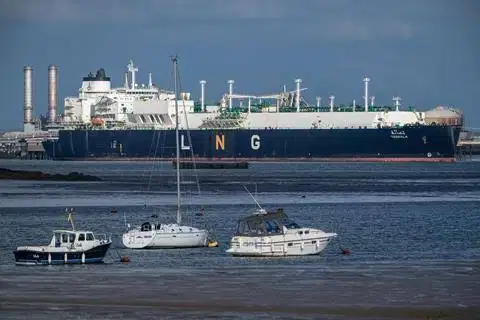
For much of 2026, US Gulf Coast chemical exporters benefited from an unusual market environment.
As disruptions in the Middle East restricted the flow of petrochemicals and feedstocks, buyers across Asia sought alternative supply sources. Many turned to the United States, creating a surge in long-haul chemical exports and pushing tanker freight rates to elevated levels.
That dynamic is now beginning to change.
Recent freight market data suggests that chemical tanker rates from the US Gulf are softening as buyers anticipate the gradual return of Middle Eastern chemical cargoes. While normalization remains incomplete, the market appears to be transitioning from crisis-driven scarcity toward a more balanced competitive environment.
For chemical producers, traders and logistics managers, this shift could become one of the most important freight developments of H2 2026.
How the Hormuz Disruption Changed Global Trade
The disruption of Middle Eastern exports created a major supply gap across global chemical markets.
Products affected included:
Methanol
Polyethylene (PE)
Polypropylene (PP)
Glycols
Aromatics
Fertilizer intermediates
Asian buyers that traditionally relied on Gulf suppliers were forced to diversify sourcing strategies.
The US Gulf Coast emerged as one of the primary beneficiaries.
American producers gained access to customers who previously sourced significant volumes from the Middle East, often at improved margins.
Why Tanker Rates Rose So Quickly
The shift in trade patterns created immediate pressure on shipping markets.
Several factors contributed:
Longer Voyage Distances
US Gulf-to-Asia routes require substantially longer transit times than Gulf-to-Asia routes.
Increased Vessel Demand
More cargoes required more ships, tightening available tanker capacity.
Risk Premiums
Geopolitical uncertainty increased freight market volatility.
Export Growth
Higher chemical export volumes supported strong vessel utilization.
The combination pushed tanker freight rates significantly higher during the peak disruption period.
What Is Changing Now?
The June Hormuz agreement altered market expectations.
While full normalization remains months away, traders increasingly expect Middle Eastern producers to gradually restore export volumes.
This expectation alone is influencing freight markets.
Buyers no longer need to secure emergency alternative supply at any cost.
Instead, they can begin evaluating:
Traditional suppliers
Freight economics
Delivery flexibility
Long-term sourcing strategies
As confidence improves, tanker demand from the US Gulf is naturally easing.
Freight Markets React Before Physical Flows Normalize
One of the most important principles in shipping markets is that freight rates often move before cargo flows fully recover.
The reason is simple.
Freight markets are forward-looking.
Shipowners, charterers and traders price expectations into the market well before supply chains physically normalize.
Current tanker rate softness reflects expectations that:
More Middle Eastern cargo will return.
Trade routes will rebalance.
Emergency sourcing will decline.
Freight demand growth will moderate.
This adjustment process often begins months before complete recovery occurs.
US Producers Face Growing Competitive Pressure
The freight environment that benefited US exporters is gradually becoming less favorable.
During the disruption, many US producers enjoyed:
Higher export demand
Stronger margins
Improved bargaining power
Reduced competition
As Middle Eastern suppliers return, these advantages may narrow.
The products most exposed include:
Methanol
A market heavily influenced by Gulf production capacity.
Polyethylene (PE)
One of the largest globally traded petrochemical products.
Polypropylene (PP)
A key export category facing renewed competition.
Other Petrochemical Derivatives
Products linked to Gulf feedstock economics may also experience increased competitive pressure.
Why Returning Gulf Supply Matters
Middle Eastern producers possess several structural advantages.
These include:
Competitive feedstock costs
Large-scale production facilities
Established export networks
Strategic geographic position
When fully operational, these advantages often support highly competitive export pricing.
As a result, Asian buyers may gradually rebalance procurement portfolios once supply confidence improves.
What This Means for Chemical Traders
For traders, the changing freight environment creates both risks and opportunities.
Potential impacts include:
Narrower Arbitrage Opportunities
Regional price spreads may compress.
Changing Trade Flows
Traditional sourcing patterns may gradually return.
Freight Cost Adjustments
Lower tanker rates improve delivered economics.
Increased Competition
More suppliers will compete for the same customers.
Successful traders will need to adapt quickly as market conditions evolve.
Procurement Implications for Buyers
Chemical buyers should closely monitor:
Freight Rate Trends
Transportation costs remain an important component of landed cost.
Supplier Availability
Returning Gulf supply may improve sourcing flexibility.
Inventory Strategies
Lower freight costs could reduce the need for aggressive inventory positions.
Contract Negotiations
Competitive pressure may create better purchasing opportunities.
The coming months may offer improved leverage for buyers compared with conditions seen earlier in the year.
What to Watch Through H2 2026
Several indicators will determine how quickly the market rebalances.
Middle Eastern Export Volumes
Actual cargo movements matter more than announcements.
Chemical Tanker Utilization
Vessel demand remains a key freight indicator.
Asian Import Patterns
Buyer behavior will determine the pace of normalization.
Production Restarts
Facilities returning to full operating rates will influence supply availability.
Freight Index Performance
Continued softening would confirm broader market rebalancing.
Together, these indicators will reveal whether the current trend becomes a sustained market shift.
Conclusion
The softening of US Gulf chemical tanker rates may represent one of the earliest signs that global chemical trade flows are beginning to normalize after the Hormuz disruption. While supply chain recovery remains incomplete, freight markets are already responding to expectations of returning Middle Eastern cargoes and reduced reliance on emergency long-haul sourcing.
For US chemical producers, this means the extraordinary export conditions of early 2026 may gradually fade as competition increases. For buyers and traders, however, lower freight rates and expanding supply options could create new procurement opportunities throughout the second half of the year.
The next phase of the market will not be defined by disruption alone—but by how quickly global chemical trade returns to a more competitive equilibrium.
Methanol CAS: 67-56-1