
China's PE and EG Self-Sufficiency Drive: What Independent Analysis Projects Through 2028
Introduction
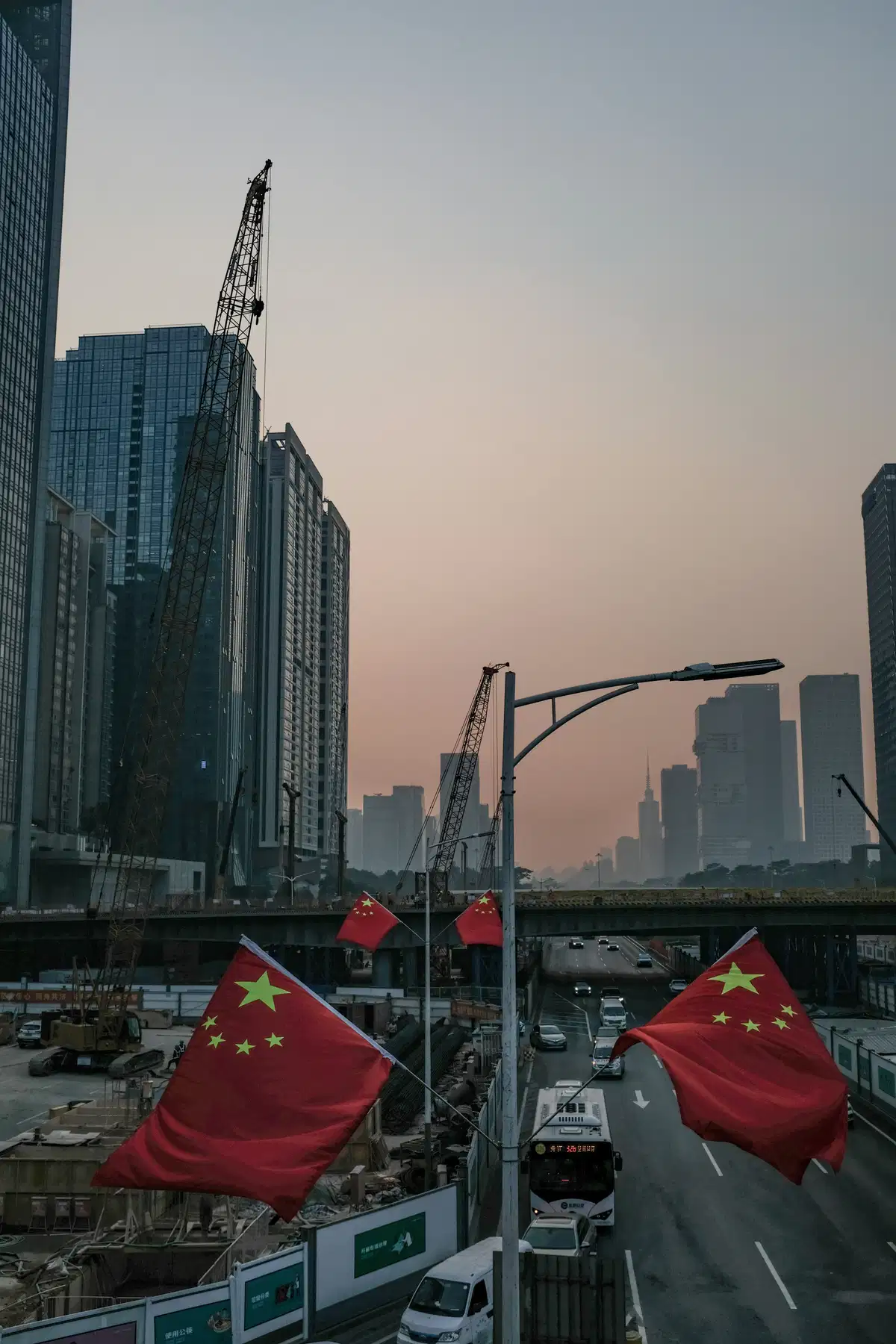
China has spent the past decade investing heavily in domestic petrochemical production to reduce its dependence on imported raw materials. Among its key priorities are polyethylene (PE) and ethylene glycol (EG)—two essential petrochemical products that support industries ranging from packaging and automotive manufacturing to pharmaceuticals, textiles, and consumer goods.
Independent industry analyses project that China will continue expanding its production capacity through 2028, with the goal of improving self-sufficiency and strengthening supply chain resilience. While this strategy offers significant opportunities for domestic manufacturers, it is also reshaping global trade flows, pricing dynamics, and procurement strategies for chemical buyers worldwide.
For procurement professionals, understanding China's long-term production strategy is essential for making informed sourcing decisions and preparing for changes in the global petrochemical market.
Understanding PE and EG
Polyethylene (PE)
Polyethylene is one of the world's most widely produced plastics. It is used in:
Flexible packaging
Pharmaceutical packaging
Medical devices
Consumer products
Industrial containers
Agricultural films
Pipes and construction materials
Its versatility makes PE a critical material across numerous manufacturing sectors.
Ethylene Glycol (EG)
Ethylene glycol is a key chemical intermediate used in:
Polyester fiber production
Polyethylene terephthalate (PET) manufacturing
Antifreeze formulations
Industrial coolants
Resins
Packaging materials
Because both PE and EG are fundamental industrial materials, changes in China's production capacity can influence global supply chains.
Why China Is Pursuing Greater Self-Sufficiency
China's long-term strategy aims to improve supply security while reducing exposure to external market disruptions.
Key objectives include:
Reducing Import Dependence
Expanding domestic production helps decrease reliance on imported petrochemical feedstocks and finished materials.
Strengthening Industrial Competitiveness
Greater local production supports downstream manufacturing industries by improving access to essential raw materials.
Enhancing Supply Chain Security
Domestic production reduces vulnerability to geopolitical tensions, shipping disruptions, and international trade restrictions.
Supporting Economic Development
Large-scale petrochemical investments contribute to industrial growth, employment, and technological advancement.
What Independent Analysis Suggests Through 2028
Industry forecasts indicate several important trends over the coming years.
Continued Capacity Expansion
China is expected to commission additional petrochemical complexes capable of producing both PE and EG at competitive scale.
Improved Production Efficiency
New facilities are incorporating advanced technologies that improve energy efficiency, process optimization, and operational reliability.
Slower Import Growth
As domestic production increases, China's demand for imported PE and EG may moderate, potentially affecting global exporters.
Changing Export Opportunities
If domestic production exceeds internal demand in certain market segments, China could increase exports of selected petrochemical products to regional and global markets.
Implications for Global Chemical Markets
China's self-sufficiency strategy is likely to influence international petrochemical markets in several ways.
Pricing Dynamics
Greater domestic production may place downward pressure on global prices during periods of excess capacity, although market conditions will continue to depend on regional demand and feedstock costs.
Trade Flow Adjustments
Exporting countries that traditionally supplied China may seek alternative markets as China's import requirements evolve.
Increased Competition
Global producers may face stronger competition from Chinese manufacturers with expanding production capacity and improved operational efficiency.
Supply Chain Diversification
Procurement teams may gain access to a broader range of sourcing options as production capacity grows.
Procurement Considerations for Chemical Buyers
Changing market conditions require procurement professionals to adopt flexible sourcing strategies.
Monitor Capacity Developments
Track announcements regarding new production facilities, maintenance schedules, and capacity utilization rates.
Diversify Supplier Networks
Maintain relationships with suppliers across multiple regions to reduce dependence on any single market.
Review Long-Term Contracts
Evaluate supply agreements to ensure they remain competitive as market pricing evolves.
Monitor Feedstock Trends
Changes in crude oil, natural gas, and naphtha markets continue to influence PE and EG production economics.
Use Market Intelligence
Leverage data-driven procurement tools to monitor pricing trends, supply risks, and regional production developments.
Opportunities for Downstream Industries
Expanding PE and EG production may create opportunities for industries that depend on petrochemical feedstocks.
Potential beneficiaries include:
Pharmaceutical packaging manufacturers
Medical device producers
Textile manufacturers
Plastic converters
Consumer goods companies
Automotive suppliers
Food packaging manufacturers
Industrial chemical producers
Improved material availability may support production growth while increasing sourcing flexibility.
Looking Ahead
China's petrochemical expansion is expected to remain a defining trend through 2028. Continued investment in integrated refining and chemical complexes, combined with advances in manufacturing efficiency, is likely to strengthen the country's position in global petrochemical markets.
However, market outcomes will also depend on factors such as global demand growth, energy prices, environmental policies, and international trade conditions. Procurement teams should regularly monitor these developments to adapt sourcing strategies as the market evolves.
Conclusion
China's drive toward greater polyethylene and ethylene glycol self-sufficiency represents a significant shift in the global petrochemical landscape. Independent analysis suggests that continued capacity expansion through 2028 could reshape trade flows, influence pricing, and alter procurement strategies for manufacturers around the world.
For chemical buyers, the key to navigating these changes lies in maintaining diversified supplier networks, monitoring market intelligence, and adopting flexible procurement strategies. Organizations that proactively respond to evolving supply dynamics will be better positioned to manage risk, optimize costs, and ensure reliable access to essential petrochemical materials in the years ahead.
Betaine Anhydrous CAS: 107-43-7