
 Plastic waste is one of the biggest environmental problems we face today, with an estimated 8 million tons of plastic entering the oceans each year. Biodegradable plastics offer a potential solution to this problem, but they have been slow to gain widespread adoption due to the challenges of production and cost. In recent years, however, a new solution has emerged: the use of formic acid in biodegradable plastic production. This blog post will explore the role of formic acid in biodegradable plastics and how it is transforming the plastics industry.
The Science behind Biodegradable Plastics
Biodegradable plastics are materials that can be broken down by microorganisms into natural substances such as water, carbon dioxide, and biomass.
They differ from traditional plastics, which can take hundreds or even thousands of years to break down.
Biodegradable plastics can be made from a variety of materials, including plant-based materials such as starch, cellulose, and vegetable oils. They can also be made from synthetic polymers that are designed to break down more quickly. However, the challenge with biodegradable plastics has been to find a material that is cost-effective and has the desired properties for different applications.
Anhydrous formic acid is one of the commonly used types of formic acid in the production of biodegradable plastics. Anhydrous formic acid is a highly concentrated form of formic acid that does not contain any water molecules. It is typically used as a raw material in the production of polylactic acid (PLA) and other biodegradable plastics.
Additionally, anhydrous formic acid has a low boiling point and a high solubility in water, which makes it easier to handle and process during plastic production.
Another important characteristic of anhydrous formic acid is its ability to act as a catalyst in certain chemical reactions. For example, anhydrous formic acid can be used to catalyze the depolymerization of certain types of plastics, which can help to facilitate the recycling and reuse of these materials.
Anhydrous formic acid can help to improve the quality and consistency of biodegradable plastics, as well as reduce the environmental impact of plastic waste.
From Petroleum to Formic Acid: The Transformation of Biodegradable Plastics
Traditionally, plastics have been produced from petroleum, a non-renewable resource that has a significant impact on the environment. However, in recent years, researchers have been exploring alternative sources for plastics, including plant-based materials and waste products.
One of the most promising alternatives is formic acid, a natural product that is produced by ants and other insects. Formic acid can be produced from carbon dioxide and hydrogen gas, both of which can be obtained from renewable sources such as biomass or wind energy.
Formic acid has several advantages over other materials used in biodegradable plastic production. For one, it is a natural product that can be produced from renewable resources, making it a sustainable alternative to petroleum-based plastics. It is also inexpensive to produce and has the desired properties for different applications. Formic acid can be used to produce a range of biodegradable plastics, including polylactic acid (PLA) and polyhydroxyalkanoates (PHA), which have been used in products such as food packaging and disposable cutlery.
The Future of Biodegradable Plastics
The potential for biodegradable plastics to transform the plastics industry is significant, but there are still challenges that need to be addressed. For one, the cost of producing biodegradable plastics is still higher than traditional plastics. This is partly due to the cost of the raw materials and the energy required to produce them. There are also challenges in the recycling and composting of biodegradable plastics, as many facilities are not equipped to handle them. Finally, there is a need for greater consumer education and awareness to promote the use of biodegradable plastics and to reduce plastic waste.
However, the future of biodegradable plastics still looks promising as more and more companies are investing in researches and development of sustainable materials. The goal is to create plastics that are not only biodegradable but also cost-effective and commercially viable. Researchers are exploring new methods and materials, including plant-based polymers and bioplastics, that can be used to create high-quality, eco-friendly plastics. With increased awareness and demand for sustainable products, the future of biodegradable plastics is likely to continue to evolve and grow.
Conclusion
Formic acid is a promising solution to the problem of petroleum-based plastics and the environmental impact of plastic waste. The use of formic acid in biodegradable plastics production offers a sustainable and cost-effective alternative to traditional plastics, and has the potential to transform the plastics industry. With continued research and development, biodegradable plastics can become a viable solution to the problem of plastic waste and help create a more sustainable future.
While there are still challenges to overcome, including cost and consumer awareness, the benefits of biodegradable plastics are clear. By reducing the amount of plastic waste that enters our environment, we can help protect our oceans and natural resources, and promote a more sustainable future for all. As consumers and businesses alike become more aware of the environmental impact of plastic waste, we can work together to promote the use of biodegradable plastics and create a cleaner, healthier planet for future generations.
Photo by freepik via https://www.freepik.com/
Plastic waste is one of the biggest environmental problems we face today, with an estimated 8 million tons of plastic entering the oceans each year. Biodegradable plastics offer a potential solution to this problem, but they have been slow to gain widespread adoption due to the challenges of production and cost. In recent years, however, a new solution has emerged: the use of formic acid in biodegradable plastic production. This blog post will explore the role of formic acid in biodegradable plastics and how it is transforming the plastics industry.
The Science behind Biodegradable Plastics
Biodegradable plastics are materials that can be broken down by microorganisms into natural substances such as water, carbon dioxide, and biomass.
They differ from traditional plastics, which can take hundreds or even thousands of years to break down.
Biodegradable plastics can be made from a variety of materials, including plant-based materials such as starch, cellulose, and vegetable oils. They can also be made from synthetic polymers that are designed to break down more quickly. However, the challenge with biodegradable plastics has been to find a material that is cost-effective and has the desired properties for different applications.
Anhydrous formic acid is one of the commonly used types of formic acid in the production of biodegradable plastics. Anhydrous formic acid is a highly concentrated form of formic acid that does not contain any water molecules. It is typically used as a raw material in the production of polylactic acid (PLA) and other biodegradable plastics.
Additionally, anhydrous formic acid has a low boiling point and a high solubility in water, which makes it easier to handle and process during plastic production.
Another important characteristic of anhydrous formic acid is its ability to act as a catalyst in certain chemical reactions. For example, anhydrous formic acid can be used to catalyze the depolymerization of certain types of plastics, which can help to facilitate the recycling and reuse of these materials.
Anhydrous formic acid can help to improve the quality and consistency of biodegradable plastics, as well as reduce the environmental impact of plastic waste.
From Petroleum to Formic Acid: The Transformation of Biodegradable Plastics
Traditionally, plastics have been produced from petroleum, a non-renewable resource that has a significant impact on the environment. However, in recent years, researchers have been exploring alternative sources for plastics, including plant-based materials and waste products.
One of the most promising alternatives is formic acid, a natural product that is produced by ants and other insects. Formic acid can be produced from carbon dioxide and hydrogen gas, both of which can be obtained from renewable sources such as biomass or wind energy.
Formic acid has several advantages over other materials used in biodegradable plastic production. For one, it is a natural product that can be produced from renewable resources, making it a sustainable alternative to petroleum-based plastics. It is also inexpensive to produce and has the desired properties for different applications. Formic acid can be used to produce a range of biodegradable plastics, including polylactic acid (PLA) and polyhydroxyalkanoates (PHA), which have been used in products such as food packaging and disposable cutlery.
The Future of Biodegradable Plastics
The potential for biodegradable plastics to transform the plastics industry is significant, but there are still challenges that need to be addressed. For one, the cost of producing biodegradable plastics is still higher than traditional plastics. This is partly due to the cost of the raw materials and the energy required to produce them. There are also challenges in the recycling and composting of biodegradable plastics, as many facilities are not equipped to handle them. Finally, there is a need for greater consumer education and awareness to promote the use of biodegradable plastics and to reduce plastic waste.
However, the future of biodegradable plastics still looks promising as more and more companies are investing in researches and development of sustainable materials. The goal is to create plastics that are not only biodegradable but also cost-effective and commercially viable. Researchers are exploring new methods and materials, including plant-based polymers and bioplastics, that can be used to create high-quality, eco-friendly plastics. With increased awareness and demand for sustainable products, the future of biodegradable plastics is likely to continue to evolve and grow.
Conclusion
Formic acid is a promising solution to the problem of petroleum-based plastics and the environmental impact of plastic waste. The use of formic acid in biodegradable plastics production offers a sustainable and cost-effective alternative to traditional plastics, and has the potential to transform the plastics industry. With continued research and development, biodegradable plastics can become a viable solution to the problem of plastic waste and help create a more sustainable future.
While there are still challenges to overcome, including cost and consumer awareness, the benefits of biodegradable plastics are clear. By reducing the amount of plastic waste that enters our environment, we can help protect our oceans and natural resources, and promote a more sustainable future for all. As consumers and businesses alike become more aware of the environmental impact of plastic waste, we can work together to promote the use of biodegradable plastics and create a cleaner, healthier planet for future generations.
Photo by freepik via https://www.freepik.com/From Petroleum to Formic Acid: How Biodegradable Plastics are Changing the Game
 Plastic waste is one of the biggest environmental problems we face today, with an estimated 8 million tons of plastic entering the oceans each year. Biodegradable plastics offer a potential solution to this problem, but they have been slow to gain widespread adoption due to the challenges of production and cost. In recent years, however, a new solution has emerged: the use of formic acid in biodegradable plastic production. This blog post will explore the role of formic acid in biodegradable plastics and how it is transforming the plastics industry.
The Science behind Biodegradable Plastics
Biodegradable plastics are materials that can be broken down by microorganisms into natural substances such as water, carbon dioxide, and biomass.
They differ from traditional plastics, which can take hundreds or even thousands of years to break down.
Biodegradable plastics can be made from a variety of materials, including plant-based materials such as starch, cellulose, and vegetable oils. They can also be made from synthetic polymers that are designed to break down more quickly. However, the challenge with biodegradable plastics has been to find a material that is cost-effective and has the desired properties for different applications.
Anhydrous formic acid is one of the commonly used types of formic acid in the production of biodegradable plastics. Anhydrous formic acid is a highly concentrated form of formic acid that does not contain any water molecules. It is typically used as a raw material in the production of polylactic acid (PLA) and other biodegradable plastics.
Additionally, anhydrous formic acid has a low boiling point and a high solubility in water, which makes it easier to handle and process during plastic production.
Another important characteristic of anhydrous formic acid is its ability to act as a catalyst in certain chemical reactions. For example, anhydrous formic acid can be used to catalyze the depolymerization of certain types of plastics, which can help to facilitate the recycling and reuse of these materials.
Anhydrous formic acid can help to improve the quality and consistency of biodegradable plastics, as well as reduce the environmental impact of plastic waste.
From Petroleum to Formic Acid: The Transformation of Biodegradable Plastics
Traditionally, plastics have been produced from petroleum, a non-renewable resource that has a significant impact on the environment. However, in recent years, researchers have been exploring alternative sources for plastics, including plant-based materials and waste products.
One of the most promising alternatives is formic acid, a natural product that is produced by ants and other insects. Formic acid can be produced from carbon dioxide and hydrogen gas, both of which can be obtained from renewable sources such as biomass or wind energy.
Formic acid has several advantages over other materials used in biodegradable plastic production. For one, it is a natural product that can be produced from renewable resources, making it a sustainable alternative to petroleum-based plastics. It is also inexpensive to produce and has the desired properties for different applications. Formic acid can be used to produce a range of biodegradable plastics, including polylactic acid (PLA) and polyhydroxyalkanoates (PHA), which have been used in products such as food packaging and disposable cutlery.
The Future of Biodegradable Plastics
The potential for biodegradable plastics to transform the plastics industry is significant, but there are still challenges that need to be addressed. For one, the cost of producing biodegradable plastics is still higher than traditional plastics. This is partly due to the cost of the raw materials and the energy required to produce them. There are also challenges in the recycling and composting of biodegradable plastics, as many facilities are not equipped to handle them. Finally, there is a need for greater consumer education and awareness to promote the use of biodegradable plastics and to reduce plastic waste.
However, the future of biodegradable plastics still looks promising as more and more companies are investing in researches and development of sustainable materials. The goal is to create plastics that are not only biodegradable but also cost-effective and commercially viable. Researchers are exploring new methods and materials, including plant-based polymers and bioplastics, that can be used to create high-quality, eco-friendly plastics. With increased awareness and demand for sustainable products, the future of biodegradable plastics is likely to continue to evolve and grow.
Conclusion
Formic acid is a promising solution to the problem of petroleum-based plastics and the environmental impact of plastic waste. The use of formic acid in biodegradable plastics production offers a sustainable and cost-effective alternative to traditional plastics, and has the potential to transform the plastics industry. With continued research and development, biodegradable plastics can become a viable solution to the problem of plastic waste and help create a more sustainable future.
While there are still challenges to overcome, including cost and consumer awareness, the benefits of biodegradable plastics are clear. By reducing the amount of plastic waste that enters our environment, we can help protect our oceans and natural resources, and promote a more sustainable future for all. As consumers and businesses alike become more aware of the environmental impact of plastic waste, we can work together to promote the use of biodegradable plastics and create a cleaner, healthier planet for future generations.
Photo by freepik via https://www.freepik.com/
Plastic waste is one of the biggest environmental problems we face today, with an estimated 8 million tons of plastic entering the oceans each year. Biodegradable plastics offer a potential solution to this problem, but they have been slow to gain widespread adoption due to the challenges of production and cost. In recent years, however, a new solution has emerged: the use of formic acid in biodegradable plastic production. This blog post will explore the role of formic acid in biodegradable plastics and how it is transforming the plastics industry.
The Science behind Biodegradable Plastics
Biodegradable plastics are materials that can be broken down by microorganisms into natural substances such as water, carbon dioxide, and biomass.
They differ from traditional plastics, which can take hundreds or even thousands of years to break down.
Biodegradable plastics can be made from a variety of materials, including plant-based materials such as starch, cellulose, and vegetable oils. They can also be made from synthetic polymers that are designed to break down more quickly. However, the challenge with biodegradable plastics has been to find a material that is cost-effective and has the desired properties for different applications.
Anhydrous formic acid is one of the commonly used types of formic acid in the production of biodegradable plastics. Anhydrous formic acid is a highly concentrated form of formic acid that does not contain any water molecules. It is typically used as a raw material in the production of polylactic acid (PLA) and other biodegradable plastics.
Additionally, anhydrous formic acid has a low boiling point and a high solubility in water, which makes it easier to handle and process during plastic production.
Another important characteristic of anhydrous formic acid is its ability to act as a catalyst in certain chemical reactions. For example, anhydrous formic acid can be used to catalyze the depolymerization of certain types of plastics, which can help to facilitate the recycling and reuse of these materials.
Anhydrous formic acid can help to improve the quality and consistency of biodegradable plastics, as well as reduce the environmental impact of plastic waste.
From Petroleum to Formic Acid: The Transformation of Biodegradable Plastics
Traditionally, plastics have been produced from petroleum, a non-renewable resource that has a significant impact on the environment. However, in recent years, researchers have been exploring alternative sources for plastics, including plant-based materials and waste products.
One of the most promising alternatives is formic acid, a natural product that is produced by ants and other insects. Formic acid can be produced from carbon dioxide and hydrogen gas, both of which can be obtained from renewable sources such as biomass or wind energy.
Formic acid has several advantages over other materials used in biodegradable plastic production. For one, it is a natural product that can be produced from renewable resources, making it a sustainable alternative to petroleum-based plastics. It is also inexpensive to produce and has the desired properties for different applications. Formic acid can be used to produce a range of biodegradable plastics, including polylactic acid (PLA) and polyhydroxyalkanoates (PHA), which have been used in products such as food packaging and disposable cutlery.
The Future of Biodegradable Plastics
The potential for biodegradable plastics to transform the plastics industry is significant, but there are still challenges that need to be addressed. For one, the cost of producing biodegradable plastics is still higher than traditional plastics. This is partly due to the cost of the raw materials and the energy required to produce them. There are also challenges in the recycling and composting of biodegradable plastics, as many facilities are not equipped to handle them. Finally, there is a need for greater consumer education and awareness to promote the use of biodegradable plastics and to reduce plastic waste.
However, the future of biodegradable plastics still looks promising as more and more companies are investing in researches and development of sustainable materials. The goal is to create plastics that are not only biodegradable but also cost-effective and commercially viable. Researchers are exploring new methods and materials, including plant-based polymers and bioplastics, that can be used to create high-quality, eco-friendly plastics. With increased awareness and demand for sustainable products, the future of biodegradable plastics is likely to continue to evolve and grow.
Conclusion
Formic acid is a promising solution to the problem of petroleum-based plastics and the environmental impact of plastic waste. The use of formic acid in biodegradable plastics production offers a sustainable and cost-effective alternative to traditional plastics, and has the potential to transform the plastics industry. With continued research and development, biodegradable plastics can become a viable solution to the problem of plastic waste and help create a more sustainable future.
While there are still challenges to overcome, including cost and consumer awareness, the benefits of biodegradable plastics are clear. By reducing the amount of plastic waste that enters our environment, we can help protect our oceans and natural resources, and promote a more sustainable future for all. As consumers and businesses alike become more aware of the environmental impact of plastic waste, we can work together to promote the use of biodegradable plastics and create a cleaner, healthier planet for future generations.
Photo by freepik via https://www.freepik.com/Related Insights
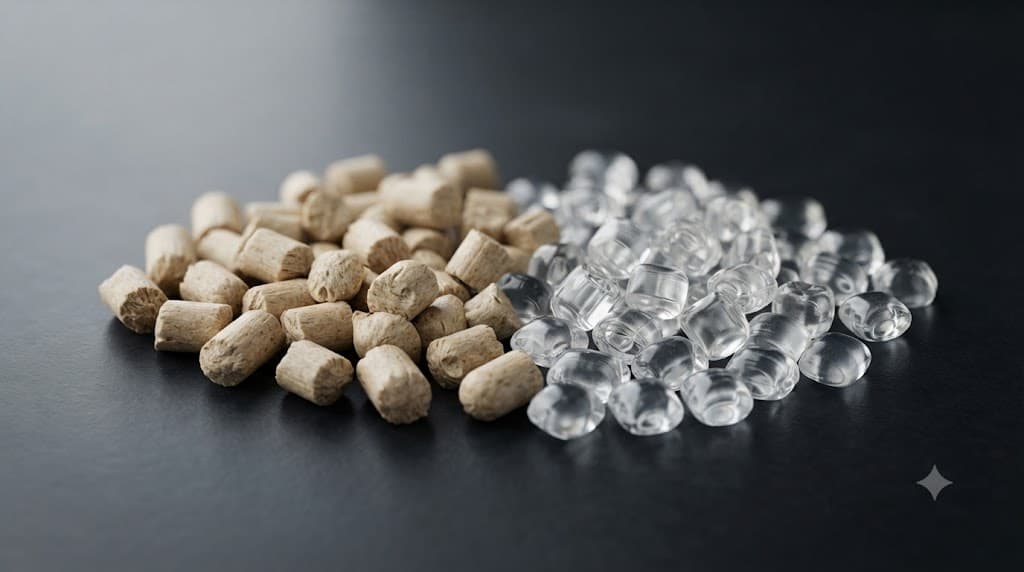
US Plastics Pact's Composting Blueprint: Building Infrastructure for Compostable Packaging
The US Plastics Pact released a resource highlighting sustained investment, supportive policy frameworks and coordinated system design needed to advance a circular economy for food and packaging. For procurement teams managing packaging resin portfolios, this blueprint signals shifting infrastructure priorities and sourcing verification requirements.
Industrial Additives: Chemical Recycling Scales Up as ExxonMobil Reaches 230,000 MT/Year
ExxonMobil's $200 million investment in additional pyrolysis-based plastics recycling at Baytown and Beaumont

ExxonMobil and LyondellBasell Scale Pyrolysis to 230,000 MT/Year in Circular Economy Push
ExxonMobil’s $200 million investment in Texas will add 230,000 MT/yr of pyrolysis‑processed plastics, joining LyondellBasell, BASF and Dow as leaders in chemical recycling. This expansion starts in 2026, unlocking certified circular resins for food packaging and automotive markets.

Sustainable Packaging Chemicals: Life After Single-Use Plastics
The shift away from single-use plastic packaging is creating demand for new categories of packaging chemicals
Chemical Recycling vs. Mechanical Recycling: Which Actually Scales Faster?
As plastic waste regulations tighten globally, both chemical recycling and mechanical recycling.

losed-Loop Polycarbonate Recycling: The Emerging Chemical Process Changing PC Sourcing
Chemical depolymerisation is creating a new future for polycarbonate. By recovering bisphenol A and diphenyl carbonate from end-of-life PC products and converting them back into virgin-quality resin, closed-loop recycling could fundamentally change how electronics, automotive and industrial buyers source polycarbonate materials.
Don't miss out on our updates! Subscribe to our newsletter now
We're committed to your privacy. Tradeasia uses the information you provide to us to contact you about our relevant content, products, and services. For more information, check out our privacy policy.