
Biotin CAS: 58-85-5

Biotin CAS: 58-85-5

The EIA July 2026 forecast of $74 oil is already obsolete. Brent crude has surged past $90 following the ceasefire collapse, forcing chemical procurement teams to rapidly adjust their feedstock budgets. INDUSTRY: Plastic and Polymers
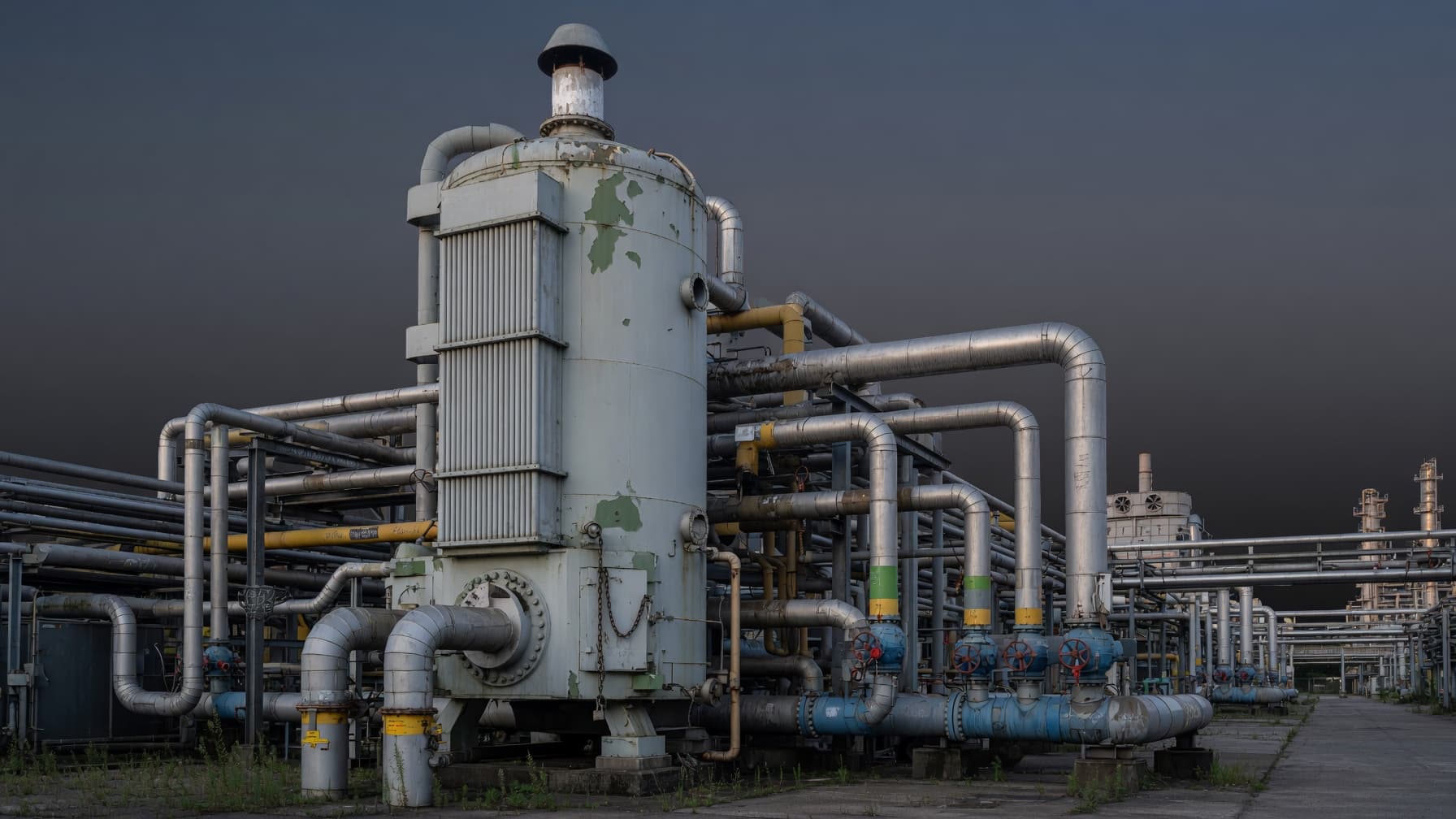
Europe's petrochemical industry continues to experience cracker closures as producers respond to high energy costs and growing competition from China. Procurement teams should understand how ongoing capacity reductions may reshape regional supply, pricing and long-term sourcing strategies.

Japan's response to recent naphtha supply disruptions highlights the growing importance of feedstock security, diversified sourcing, and resilient procurement strategies for the chemical industry.

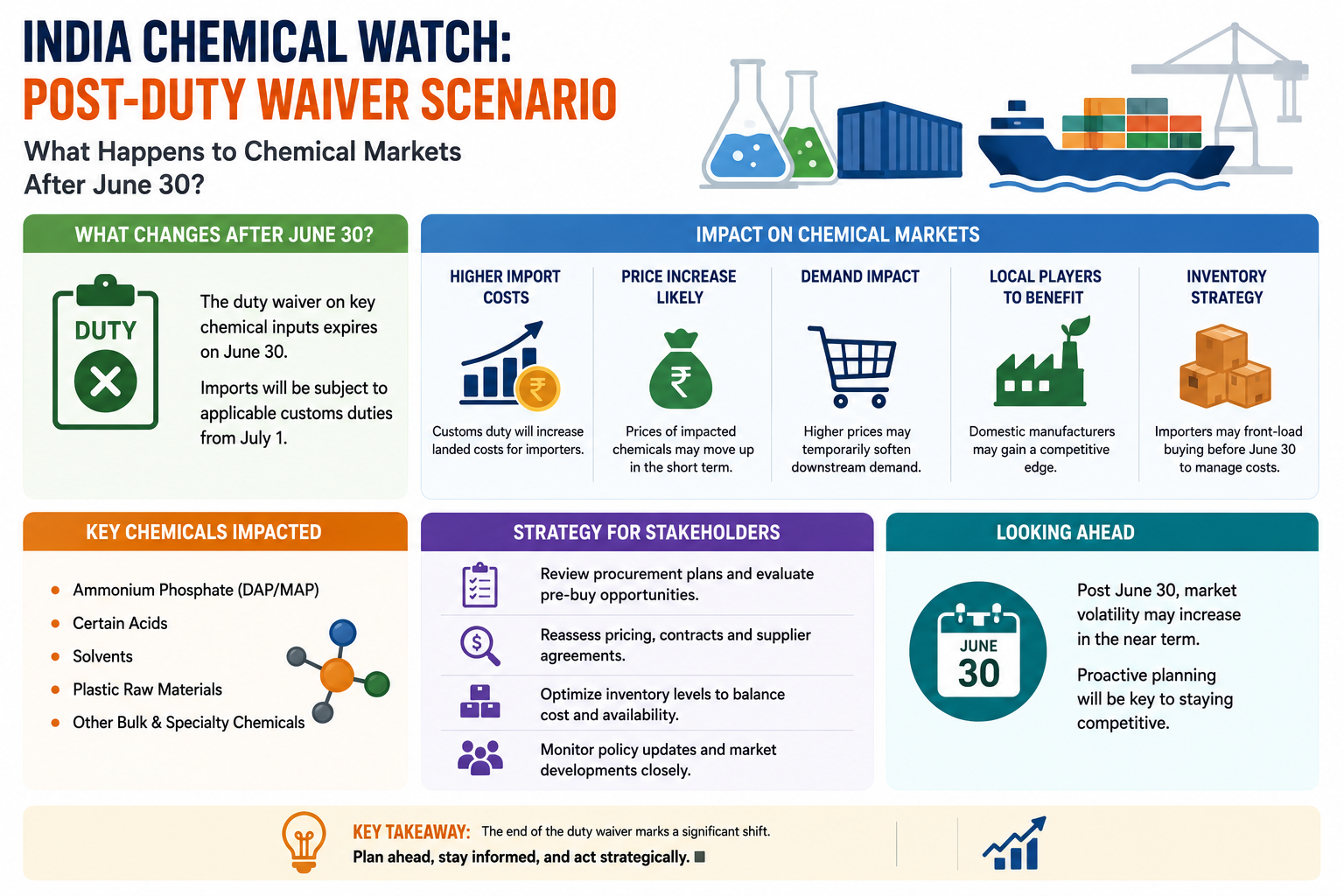
India enters its first full business week following the expiry of the customs duty waiver on key petrochemical imports. Manufacturers across plastics, textiles, pharmaceuticals and automotive supply chains are now evaluating the commercial impact as procurement costs begin adjusting to the new tariff environment.

Venator Materials’ looming debt restructuring could reduce European TiO2 output, tightening supply for coatings, plastics, and paper. With Gulf feedstock constraints and high shipping costs, the industry faces higher lead times and costs. Buyers must now assess supplier stability as a core procurement factor.

The July start of India’s new economic reality sees customs duty exemptions on petrochemical inputs expire, raising import costs across multiple sectors. Plastics, textiles, pharma, and auto industries must now recalibrate pricing and margins. This article explores the immediate impacts and strategic responses.
We're committed to your privacy. Tradeasia uses the information you provide to us to contact you about our relevant content, products, and services. For more information, check out our privacy policy.