
Related Insights
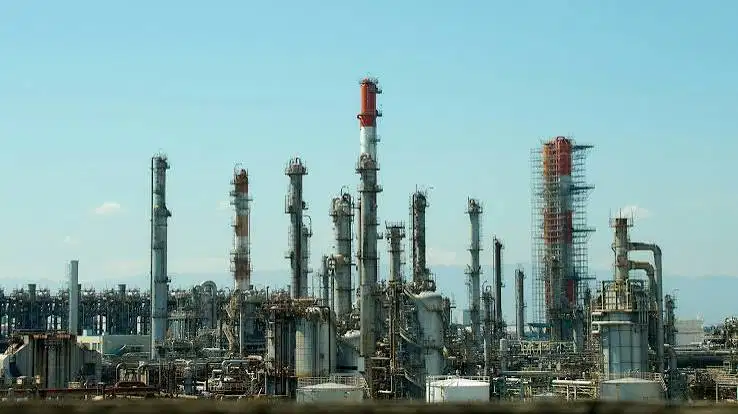
European Crackers Get a Temporary Reprieve From Conflict-Driven Pricing
European petrochemical crackers are receiving temporary pricing support as conflict-related supply constraints tighten availability across key markets. Yet weak demand and persistent overcapacity continue to limit the sector's recovery and keep procurement strategies under pressure.
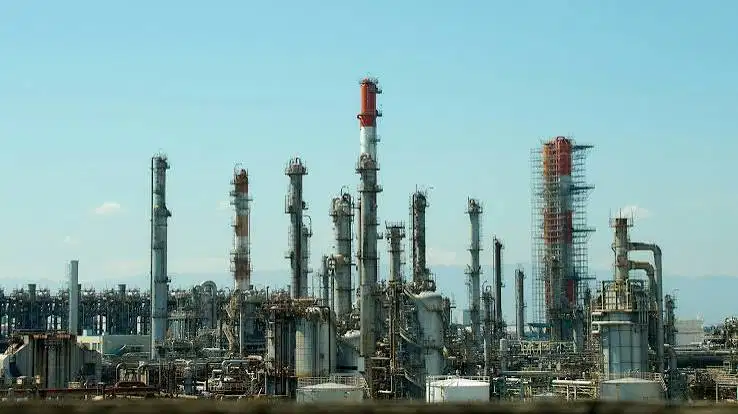
Naphtha Costs Climb as Brent Breaks $90 Amid Middle East Supply Risks
Naphtha costs are rising as Brent crude breaks above $90 a barrel for the first time since the original crisis, increasing pressure on petrochemical feedstock buyers. Explore how oil market tension could reshape naphtha pricing, trade flows and procurement strategies.
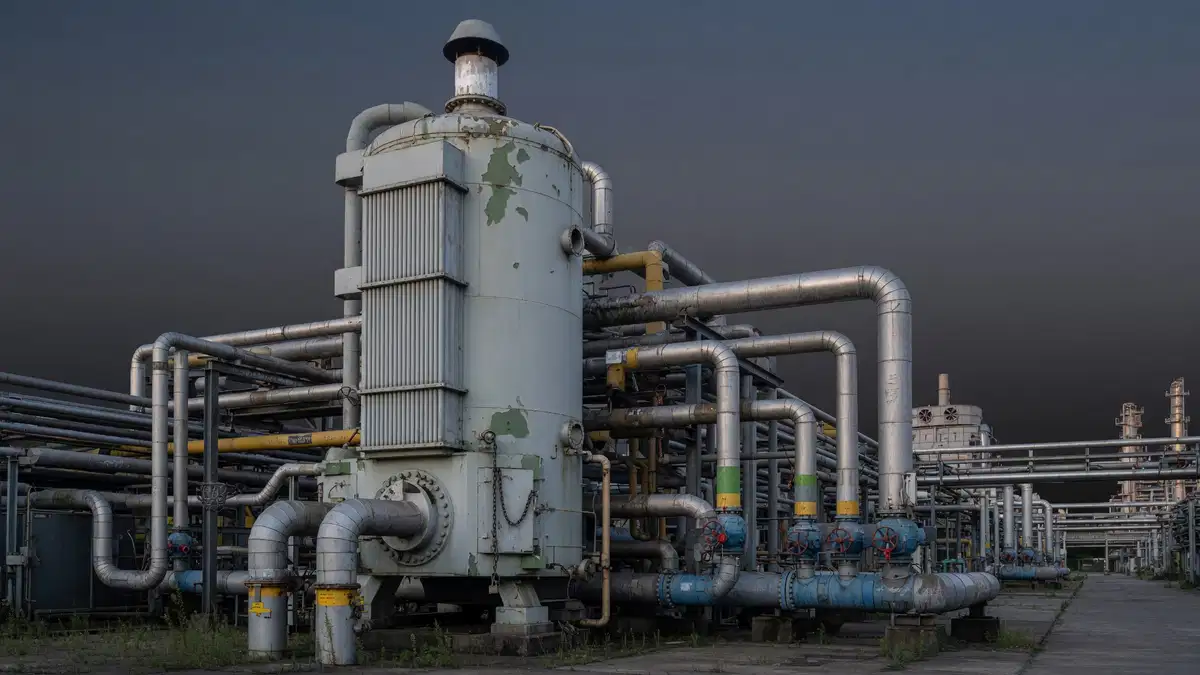
Europe's Cracker Closures Continue: What the Post-2025 Consolidation Wave Means for Petrochemical Buyers
Europe's petrochemical industry continues to experience cracker closures as producers respond to high energy costs and growing competition from China. Procurement teams should understand how ongoing capacity reductions may reshape regional supply, pricing and long-term sourcing strategies.
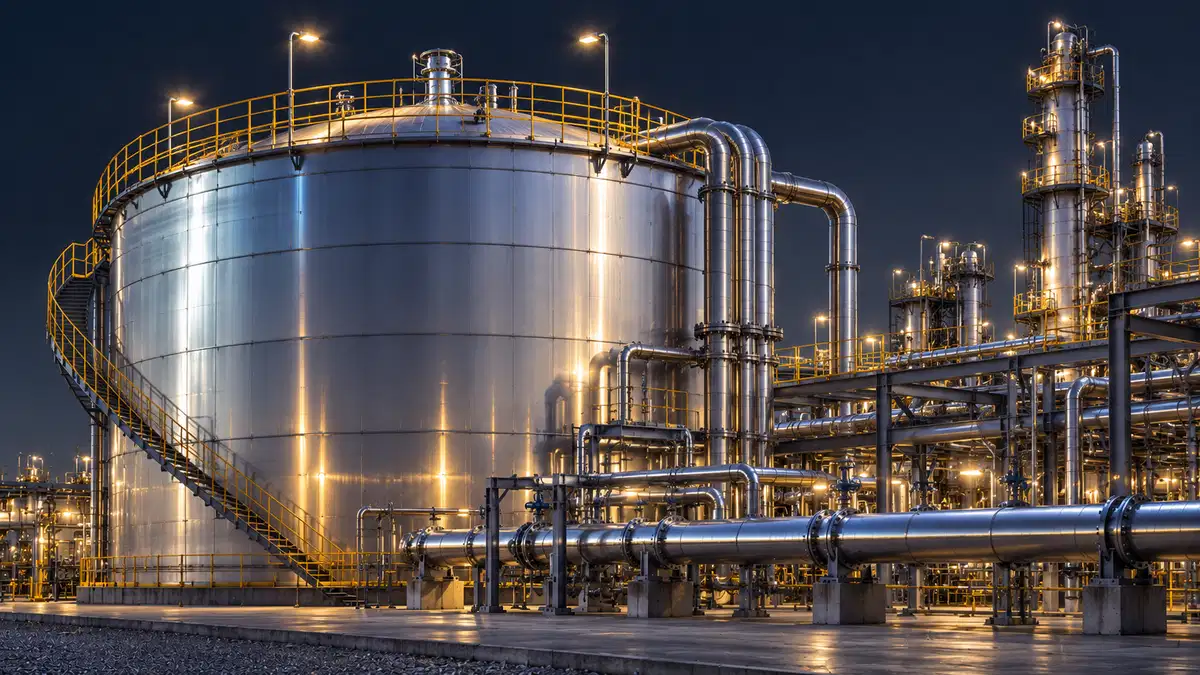
Oxea's Final Investment Decision Signals New Confidence in the Oxo Chemicals Market
Oxea's latest investment decision marks an important development for the global oxo chemicals market despite ongoing industry weakness. Procurement teams and chemical traders should understand how this capacity expansion could influence future supply, pricing and sourcing strategies.
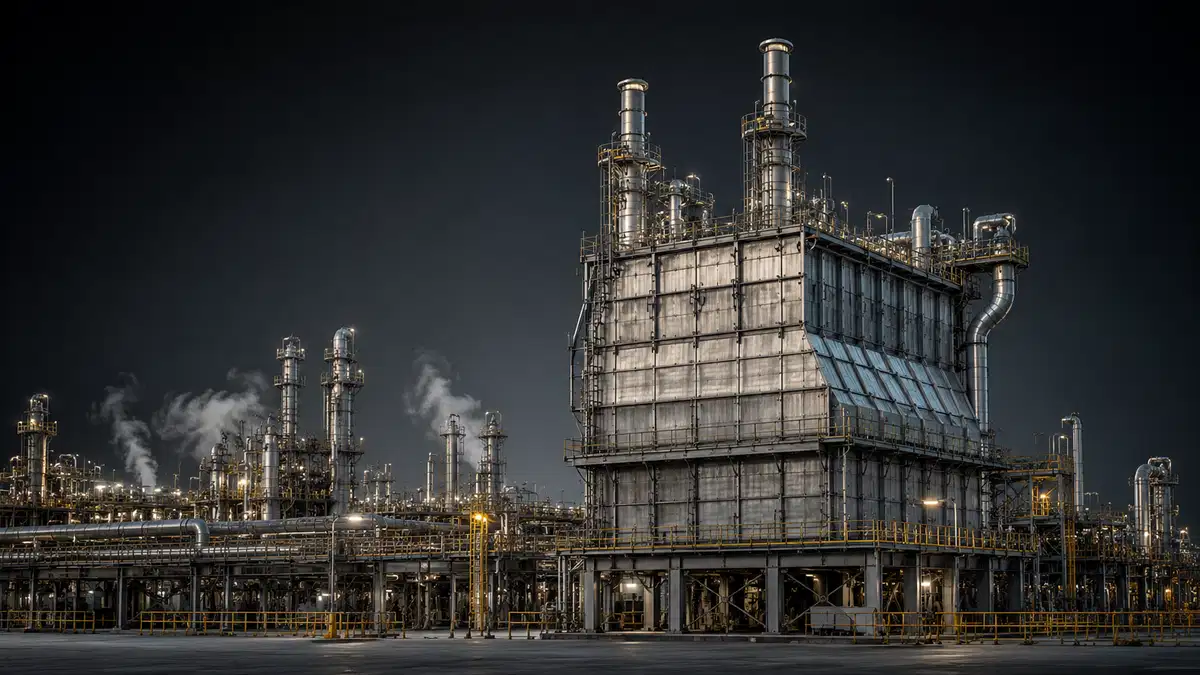
ExxonMobil and Sabic European Cracker Shutdowns Reshape the Ethylene Market and Chemical Trade
European ethylene production is entering a new phase as ExxonMobil and Sabic continue shutting cracker capacity. Procurement teams, traders and chemical buyers must understand how these changes could reshape regional supply, pricing and sourcing strategies.
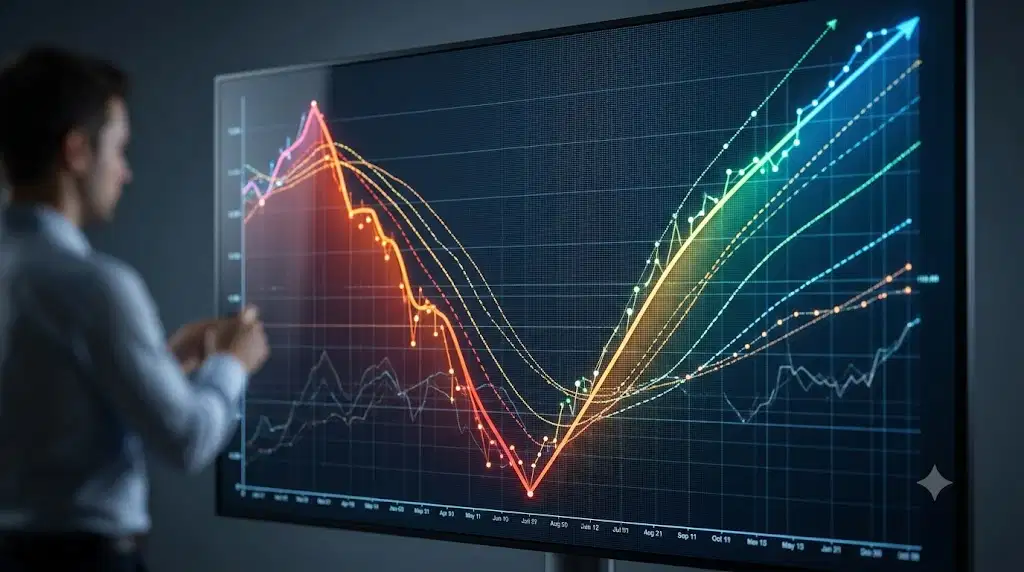
When Will the Petrochemical Market Actually Hit Bottom? Forecasters Say 2026 or 2027
Forecasters cited in C&EN's 2026 Global Top 50 coverage say the petrochemical market will hit bottom in 2026 or 2027 and recover by the end of the decade. For procurement teams managing polymer and petrochemical sourcing, understanding what bottom looks like, which indicators signal it and how to position for eventual recovery matters for capturing near-term value while building long-term supply chain resilience.
Don't miss out on our updates! Subscribe to our newsletter now
We're committed to your privacy. Tradeasia uses the information you provide to us to contact you about our relevant content, products, and services. For more information, check out our privacy policy.