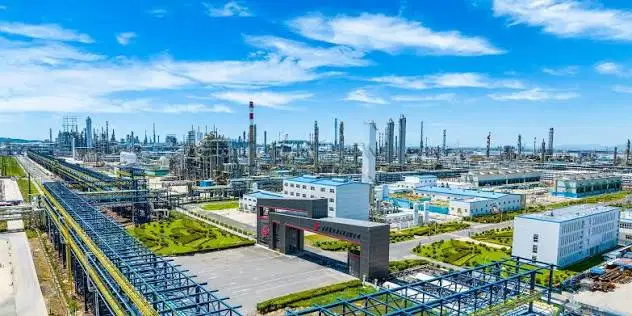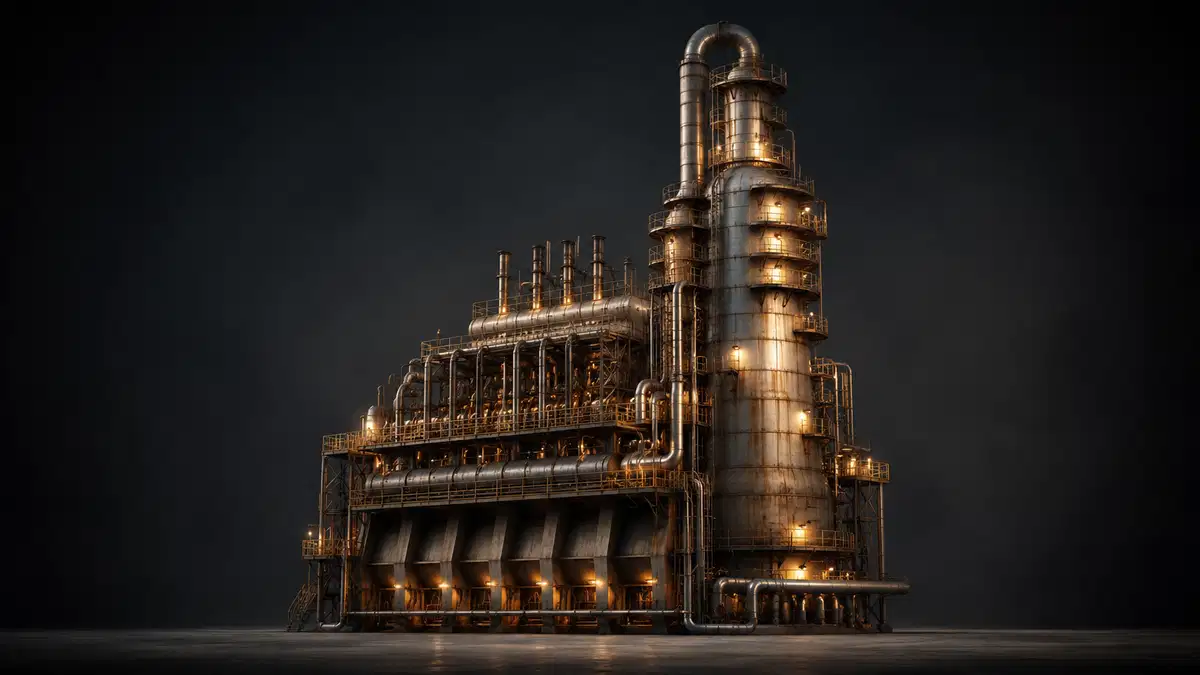
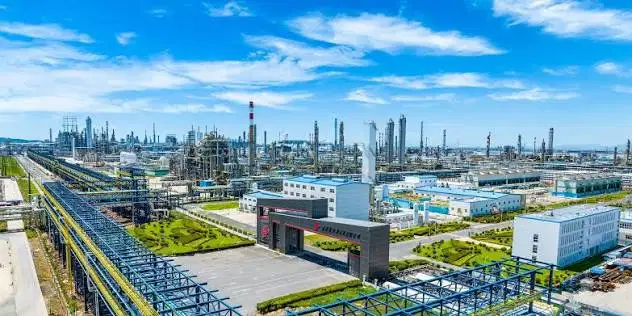
Methanol-to-olefins is one of the most significant technological developments in the modern petrochemical industry because it provides an alternative route for producing the two most important petrochemical building blocks—Ethylene and Propylene—without relying on traditional naphtha steam cracking. The process has become particularly important in China, where decades of investment have been directed toward reducing dependence on imported crude oil and strengthening domestic petrochemical production. Instead of beginning with naphtha derived from oil refining, the MTO route starts with Methanol, which can itself be produced from coal or natural gas through synthesis gas (syngas) chemistry. This approach allows China to leverage its domestic energy resources while expanding the production of plastics and petrochemical intermediates essential for manufacturing. For procurement professionals, understanding the MTO process is increasingly important because it has become one of the principal drivers of China's expanding polyolefin capacity and its growing influence on global petrochemical markets.
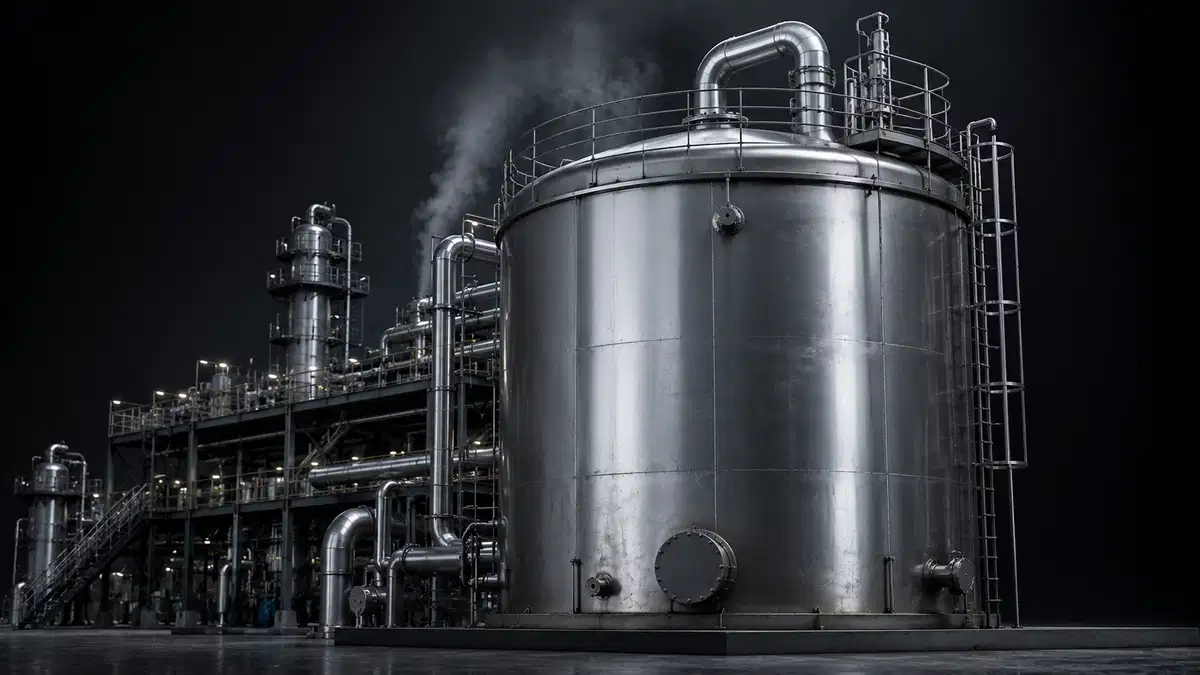
The production pathway begins with synthesis gas—a mixture primarily composed of hydrogen and carbon monoxide—generated either from coal gasification or natural gas reforming. This synthesis gas is then converted into methanol, which serves as the intermediate feedstock for the MTO process. In the next stage, methanol passes through a reactor containing specialised SAPO-34 molecular sieve catalysts, where a series of catalytic reactions converts it into a mixture of light olefins dominated by ethylene and propylene. These two products are subsequently separated and supplied as feedstocks for downstream polyethylene and polypropylene production. Unlike conventional steam crackers, which produce a broad range of petrochemical products from naphtha, MTO plants are specifically designed to maximise olefin production from methanol. The exact proportion of ethylene and propylene depends on catalyst performance, operating conditions, and plant design, but both products remain the principal commercial outputs supporting China's rapidly expanding plastics manufacturing industry.