
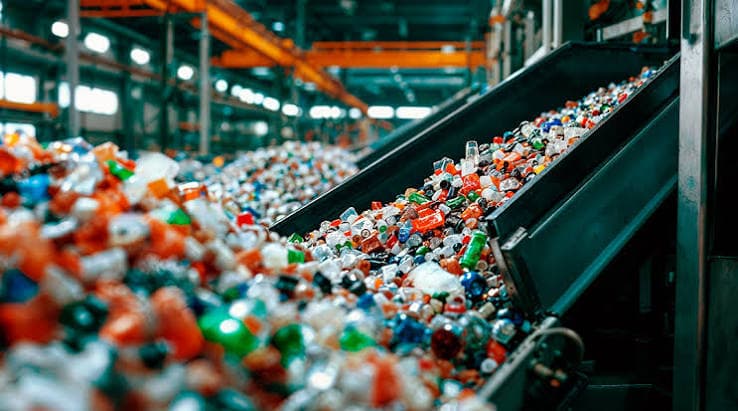
Plastic resin is one of the most important raw materials used across packaging, construction, automotive, agriculture, consumer goods, and industrial manufacturing. Because many conventional plastics are produced from petrochemical feedstocks, their prices are closely connected to energy and chemical markets.
However, plastic resin prices are not determined by crude oil alone. Supply availability, production capacity, downstream demand, transportation costs, currency movements, trade policies, and sustainability requirements can all influence the final price.
For buyers and procurement teams, understanding these factors can make it easier to evaluate supplier quotations and manage purchasing costs.
Key Takeaways
Crude oil and petrochemical feedstocks can influence virgin plastic resin prices.
Supply and demand determine how strongly producers can adjust prices.
Freight and logistics costs affect delivered resin prices.
Currency fluctuations can change import costs.
Different polymers respond differently to market conditions.
Recycled plastics have additional pricing factors related to collection, sorting and processing.
Regulations and recycled-content requirements are becoming increasingly relevant to pricing.
1. Crude Oil and Energy Costs
Many common plastic resins are derived from petrochemical feedstocks. This creates an important relationship between energy markets and plastic pricing.
Changes in crude oil prices can affect the cost of producing intermediates such as naphtha, ethylene and propylene, which are used to manufacture polymers such as polyethylene and polypropylene.
However, the relationship is not always one-to-one. Producers, inventories, regional supply and demand, and other market conditions can influence how much of a feedstock cost change is passed through to resin buyers.
2. Feedstock Prices
Different plastics depend on different feedstocks.
For example:
Polyethylene (PE) is primarily linked to ethylene.
Polypropylene (PP) is linked to propylene.
PVC depends on chlorine and ethylene-based production routes.
Polystyrene (PS) is connected to styrene economics.
PET is influenced by PTA and MEG markets.
Therefore, buyers should not assume that all plastic resin prices will move in the same direction.
Recent market analysis has shown different pricing movements among PE, PP, PVC, ABS, PS and other thermoplastics because their feedstock, supply and demand structures differ.
3. Supply and Demand
Supply-demand balance is one of the most important factors in resin pricing.
When production capacity is greater than demand, suppliers may face pressure to reduce prices or offer more competitive terms.
On the other hand, production disruptions, plant maintenance, limited imports or unexpected demand can tighten availability and increase price pressure.
This is particularly important for procurement teams because a lower global benchmark does not necessarily mean that the same price will immediately be available in every regional market.
4. Production Capacity and Plant Outages
New production capacity can increase supply and place downward pressure on prices.
In contrast, unexpected shutdowns, maintenance, technical problems or raw material shortages can reduce availability.
Large-scale capacity expansions in Asia can also create structural changes in polymer markets. Recent market analysis has identified expanding Asian capacity as an important counterweight to temporary supply constraints.
5. Freight and Logistics Costs
The price paid by a buyer is not only the resin's market price.
A typical delivered cost can include:
Resin Price + Freight + Insurance + Duties + Port Charges + Taxes + Other Logistics Costs
Changes in:
ocean freight
container availability
fuel costs
port congestion
shipping routes
insurance
delivery times
can therefore affect the final landed cost.
For import-dependent buyers, monitoring logistics costs alongside resin benchmarks is particularly important.

6. Currency Exchange Rates
International plastic resin is frequently traded in US dollars.
This means exchange-rate fluctuations can affect buyers even when the international resin benchmark remains relatively stable.
For example, if a buyer's local currency depreciates against the US dollar, the local-currency cost of imported resin can increase.
Therefore, procurement teams should monitor both:
Global Resin Price + Currency Exchange Rate
rather than looking at the resin benchmark alone.
7. Regional Market Conditions
Plastic pricing is not identical across every country.
Regional differences can result from:
Local production
Import dependence
Taxes and duties
Freight costs
Inventory levels
Currency movements
Local demand
Supplier competition
This means a resin grade can have different effective purchasing costs in Asia, Europe, North America, the Middle East or other regions.
8. Recycled Plastic vs Virgin Resin Pricing
Recycled plastics have their own pricing dynamics.
For recycled polymers, buyers also need to consider:
Collection costs
Feedstock availability
Sorting
Washing
Processing
Recycling capacity
Quality
Contamination
Certification
Recycled-content requirements
Recent industry analysis highlights feedstock availability and processing costs as important factors behind recycled polymer pricing.
The relationship between recycled and virgin resin prices can also change depending on market conditions. S&P Global reported significant shifts in recycled-versus-virgin pricing spreads during 2026.
9. Regulations and Sustainability Requirements
Environmental regulations can increasingly influence plastic procurement.
Requirements related to:
Recycled content
Packaging
Extended producer responsibility
Traceability
Recycling
Product certifications
can affect both material selection and pricing.
For procurement teams, the lowest resin price may therefore not always represent the lowest total sourcing cost if additional compliance or certification requirements apply.
How Buyers Can Monitor Plastic Resin Prices
A practical procurement approach should track:
Resin benchmark prices
Crude oil and feedstock costs
Supply-demand conditions
Regional availability
Freight rates
Currency exchange rates
Import duties
Supplier quotations
Inventory levels
Recycled-content requirements
This provides a more complete view of the actual purchasing environment.
Key Takeaways
Plastic resin prices are influenced by a combination of raw material costs, supply-demand conditions, logistics, currency movements, regional market conditions and regulatory requirements. Rather than relying on a single price indicator, procurement teams can monitor multiple market variables to understand changes in resin costs and evaluate supplier quotations more effectively.
Sources
Inline Plastics – Plastic Resin Price Drivers
Grand View Research – Plastics Pricing Intelligence, August 2026
U.S. Plastics Pact – Factors Influencing Plastic Resin Prices
PP Block Copolymer P838C (Lamination Coating)-Thai CAS: 9003-07-0