Polypropylene Applications Map: Why Different PP Grades Have Different Supply Chain Risks
Introduction
Polypropylene (PP) is one of the world's most widely used thermoplastics, valued for its versatility, durability, lightweight properties, and cost-effectiveness. It is found in everything from food packaging and automotive components to medical devices, textiles, and consumer goods. However, not all polypropylene is the same. Manufacturers produce multiple PP grades, each engineered for specific performance requirements and end-use applications.
Because these grades rely on different manufacturing processes, additives, quality specifications, and demand patterns, they also face different supply chain risks. For procurement professionals, understanding these differences is essential for developing effective sourcing strategies, minimizing disruptions, and ensuring a consistent supply of materials.
This article explores the major polypropylene grades, their applications, and why procurement teams should assess supply risks differently for each one.
Understanding Polypropylene Grades
Polypropylene is produced by polymerizing propylene, but manufacturers modify its molecular structure and processing characteristics to create grades tailored to specific applications.
The three primary categories include:
Homopolymer Polypropylene (PP-H)
Homopolymer polypropylene is the most commonly produced grade. It offers excellent stiffness, chemical resistance, and processability.
Typical applications include:
Rigid packaging
Household products
Storage containers
Pipes and fittings
Industrial components
Laboratory equipment
Random Copolymer Polypropylene (PP-R)
Random copolymer polypropylene contains small amounts of ethylene, improving transparency, flexibility, and impact resistance.
Common applications include:
Food packaging
Medical containers
Clear storage products
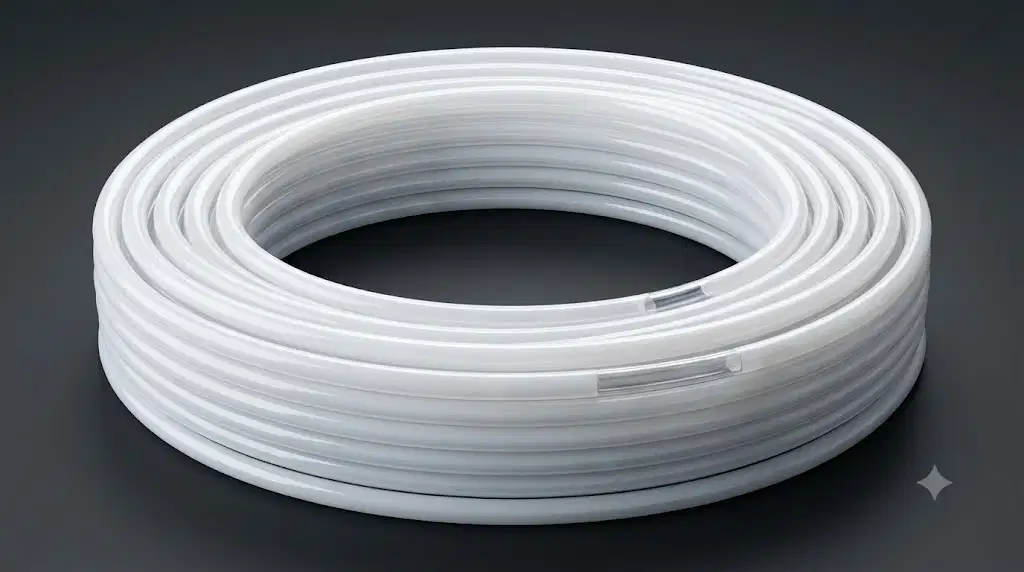
Hot and cold water piping
Consumer packaging
Impact Copolymer Polypropylene (PP-C)
Impact copolymer polypropylene is designed for improved toughness, especially at low temperatures.
Typical uses include:
Automotive parts
Industrial containers
Appliance housings
Battery cases
Logistics crates
Heavy-duty packaging
Why Different PP Grades Face Different Supply Chain Risks
Although all PP grades originate from propylene, their production and market dynamics vary significantly.
Specialized Manufacturing Capacity
Some grades require dedicated production lines or additional process controls, limiting the number of qualified manufacturers capable of supplying them.
Different End-Use Markets
Demand drivers vary by grade:
Packaging demand influences PP-H and PP-R.
Automotive production strongly affects PP-C.
Healthcare demand impacts medical-grade polypropylene.
A disruption in one industry may affect one grade more than another.
Additive Availability
Many PP grades rely on specialized additives such as stabilizers, impact modifiers, clarifiers, nucleating agents, and antioxidants. Supply shortages for these additives can affect production even when propylene remains readily available.
Regulatory Requirements
Medical, food-contact, and pharmaceutical-grade polypropylene must meet stricter regulatory standards, limiting the number of approved suppliers and increasing qualification timelines.
Applications Across Industries
Packaging
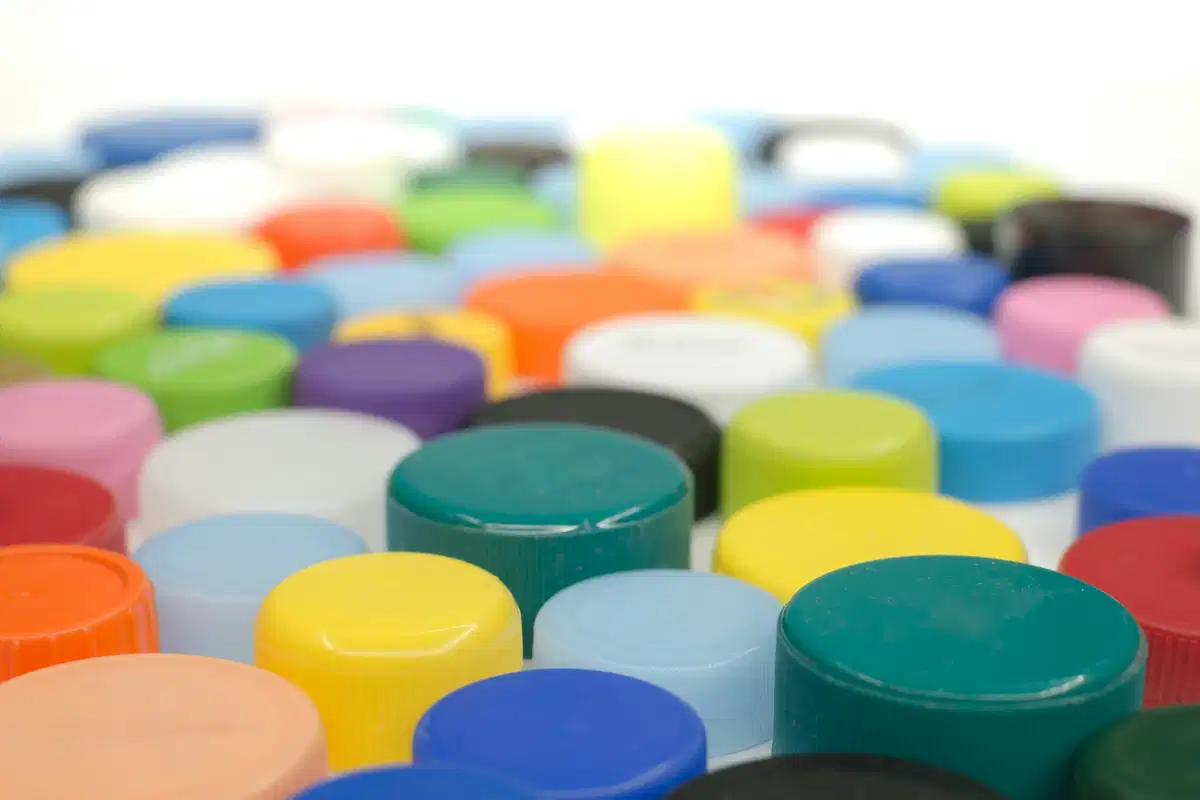
Rigid food containers, caps, closures, thin-wall packaging, and reusable storage products primarily use homopolymer and random copolymer grades.
Automotive
Impact copolymers dominate automotive interiors, bumpers, dashboards, trim components, and battery housings due to their excellent toughness.
Healthcare
Medical-grade polypropylene is used in syringes, specimen containers, diagnostic devices, pharmaceutical packaging, and laboratory consumables.
Construction
Pipes, fittings, insulation materials, and building products frequently rely on specialized PP formulations designed for durability and chemical resistance.
Consumer Goods
Furniture, toys, luggage, household appliances, textiles, and reusable containers utilize various polypropylene grades depending on required performance characteristics.
Procurement Challenges
Different PP grades require different procurement approaches.
Supplier Qualification
Highly specialized grades often have fewer qualified manufacturers, increasing dependence on approved suppliers.
Forecasting Demand
Procurement teams should align purchasing plans with industry-specific demand trends rather than relying solely on overall polypropylene market forecasts.
Inventory Planning
Critical applications, particularly in healthcare and automotive manufacturing, may require higher safety stock levels to reduce production risks.
Price Volatility
Some specialty grades experience pricing fluctuations that differ from commodity-grade polypropylene due to tighter supply-demand balances.
Best Practices for Procurement Professionals
To improve supply chain resilience, organizations should adopt strategic sourcing practices tailored to each PP grade.
Diversify Supplier Networks
Qualify multiple suppliers across different regions to reduce geographic concentration risk.
Monitor Feedstock Markets
Track propylene prices, refinery operations, and petrochemical production capacity, as these directly influence polypropylene availability.
Evaluate Supplier Capabilities
Assess production capacity, quality systems, regulatory certifications, and business continuity planning before approving suppliers.
Collaborate with Product Development Teams
Early communication between procurement, engineering, and manufacturing departments ensures material specifications remain aligned with available supply options.
Leverage Market Intelligence
Use procurement analytics and market data to monitor capacity expansions, maintenance shutdowns, logistics disruptions, and pricing trends.
Future Trends Affecting Polypropylene Supply
The polypropylene market continues to evolve in response to changing industry demands.
Key trends include:
Increased production of high-performance specialty grades
Expansion of recyclable and circular polypropylene solutions
Growth in medical-grade polymer demand
Investment in advanced catalyst technologies
Greater digitalization of supply chain management
Increased focus on sustainability and carbon reduction
These developments are expected to reshape procurement strategies over the coming decade.
Conclusion
Polypropylene may be a single polymer family, but its various grades serve vastly different industries with unique performance requirements and supply chain characteristics. Homopolymers, random copolymers, and impact copolymers each face distinct market dynamics, regulatory expectations, and procurement challenges.
For procurement professionals, treating all polypropylene grades as interchangeable can create unnecessary sourcing risks. By understanding application-specific demand, qualifying diverse suppliers, monitoring feedstock markets, and adopting data-driven procurement strategies, organizations can build more resilient supply chains and ensure reliable access to the right polypropylene grades for their manufacturing operations.
General-Purpose Polystyrene (GPPS) CAS: 9003-53-6