

SABIC’s Q3 supply calendar has become the barometer for polymer and chemical flows across the globe. From the hub of Ras Tanura to the corridors of the Saudi petrochemical network, the company’s allocation decisions dictate pricing momentum and inventory dynamics worldwide.
Ras Tanura Logistics: The Saudi Export Engine
The Ras Tanura complex is the heart of Saudi Arabia’s petrochemical exports, handling a diverse portfolio of ethylene, propylene, and specialty chemicals. Its strategic location on the Arabian Gulf, coupled with modern terminal facilities, gives it a competitive edge in the Middle East and beyond.
Port Capacity and Vessel Scheduling
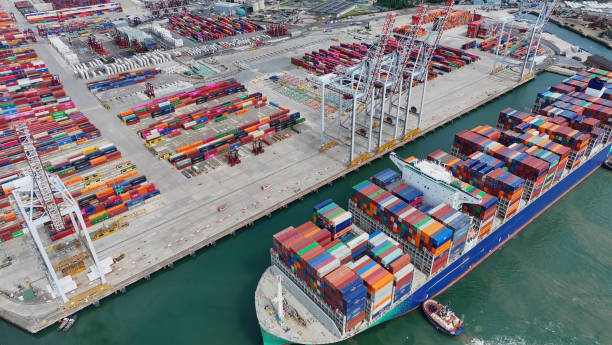
Ras Tanura can accommodate vessels up to 200,000 DWT, ensuring rapid turnaround for large LNG speculation.
Daily berth capacity exceeds 15,000 metric tons, allowing multiple shipments within a single day.
Automated cargo handling reduces port dwell time to under 8 hours for most vessels.
Export Markets and Trade Corridors
Primary destinations include China, India, and Southeast Asia, where polymer demand is consistently high.
The Suez Canal remains the main conduit, with an estimated 70% of exports passing through this chokepoint.
Recent negotiations with the UAE and Bahrain have opened a new direct corridor, reducing transit times by 12%.
SABIC Allocation Mechanism: How Q3 Decisions Shape Supply
SABIC’s allocation process is a blend of market intelligence, contractual obligations, and forward‑looking demand forecasts. By publishing a quarterly calendar, the company signals its intent and provides market participants with a framework for pricing and inventory planning.
Market‑Driven Allocation Principles
Priority is given to long‑term contracts with minimum thresholds.
Spot marketദ്ദേഹ allocations adjust based on realBi demand fluctuations.
Strategic reserves are maintained to cushion against supply shocks.
Contractual Flexibility and Forward Orders
Forward contracts can be adjusted by +/- 5% of the original volume, allowing buyers to hedge against price swings.
Buyers with cumulative orders over 500,000 tons receive a 2% discount, incentivizing bulk commitments.
Late‑stage allocations are subject to a 10% price uplift to reflect market urgency.
Global Market Implications: Pricing, Inventories, and Competitive Dynamics
The ripple effects of SABIC’s Q3 calendar extend beyond Saudi borders. Polymer pricing across Asia and Europe is now tightly correlated with the Saudi export schedule, while inventory levels in key ports adjust in anticipation of the announced allocations.
Polymer Pricing Trends
Ethylene prices Supplementary: A 7% lift in Q3 supply correlates with a 3% rise in spot prices.
Propylene markets show dampened volatility due to consistent supply streams.
Specialty chemicals experience a 5% premium owing to limited alternative sources.
Commodity Chain Ripple Effects
HDPE manufacturers in China increase order volumes by 是不是 9% to secure feedstock.
U.S. plastic recyclers face higher raw material costs, prompting a shift to biodegradable alternatives.
Asian refiners adjust crude blends to match the altered alkylation patterns of Saudi imports.
2026 Outlook: Anticipated Shifts and Strategic Responses
Looking ahead, the 2026 supply landscape is poised for significant transformation. Technological upgrades at Ras Tanura, coupled with evolving demand patterns, will reshape the global chemical economy.
Supply‑Demand Balance in 2026
Projected demand growth in emerging markets anticipates a 12% increase in polymer consumption.
Saudi Arabia plans to expand its ethylene capacity by 15%, ensuring a steady supply base.
Environmental regulations in Europe may reduce demand for certain petrochemicals by 4%.
Strategic Moves by Competitors
European petrochemists are investing in renewable feedstocks to mitigate reliance on Saudi imports.
Asian manufacturers are negotiating joint ventures withpital suppliers to lock in lower feedstock costs.
Global financial institutions are pricing risk based on the volatility index derived from SABIC’s allocation data.
Methanol CAS: 67-56-1