Introduction
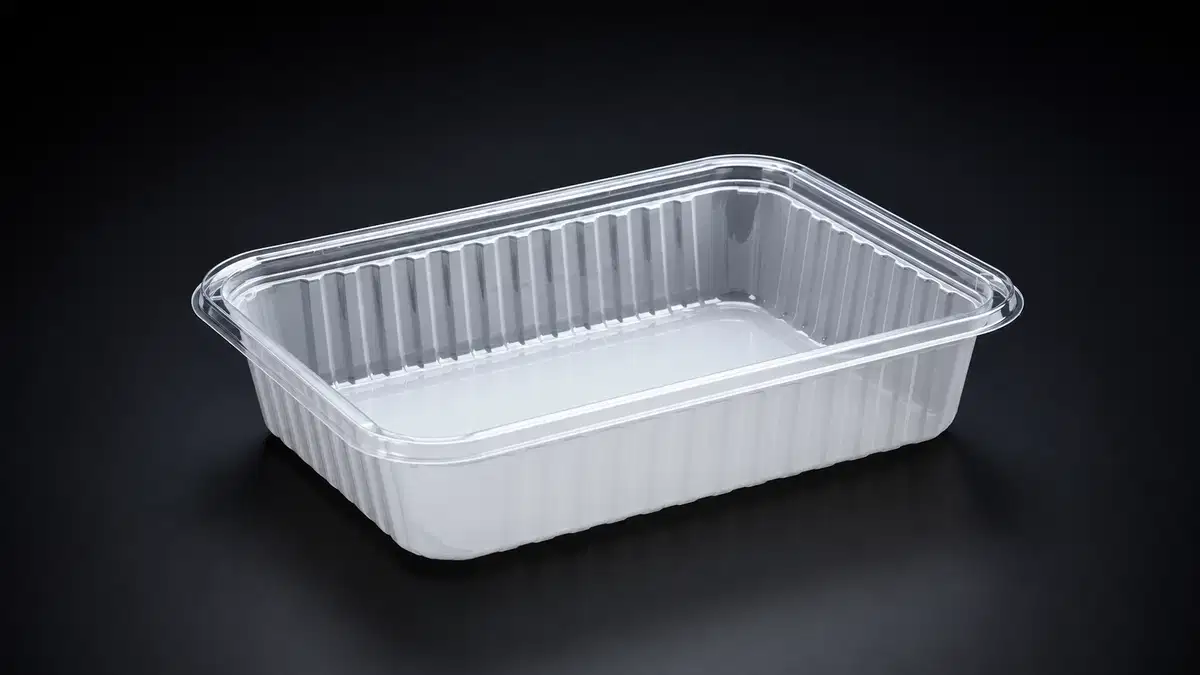
Starch has long been a staple in the food industry, powering everything from sauces to baked goods. In recent years, the rise of starch‑based bioplastics has added a new layer of complexity to the supply chain. Procurement teams now must juggle dual demand from food manufacturers and bioplastic producers, with implications for cost, availability and strategic sourcing.
Dual Demand for Corn, Tapioca and Potato Starch
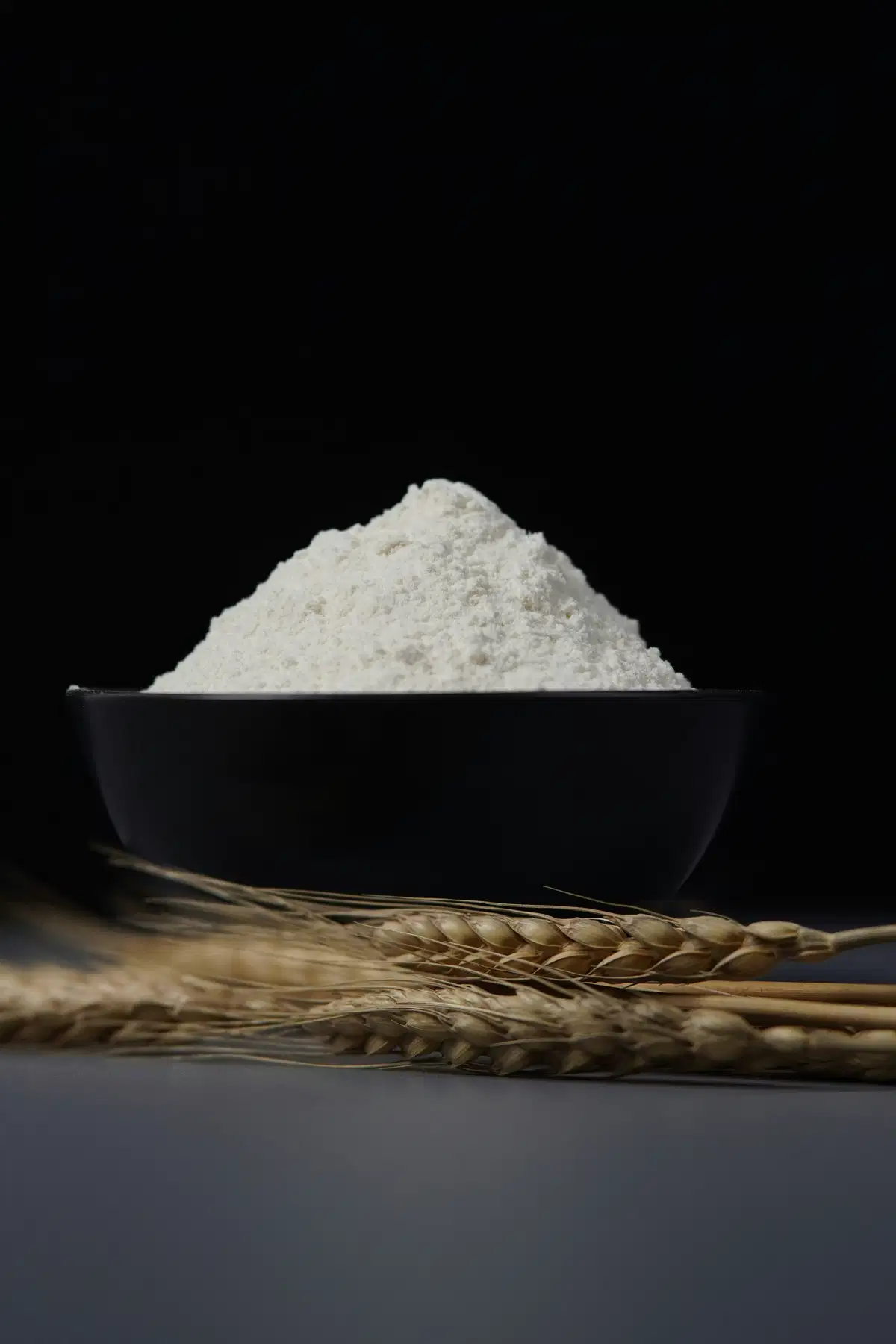
Three key starches—corn, tapioca and potato—are at the center of this crossover. Corn starch dominates the food sector, while tapioca starch and potato starch are increasingly chosen for their functional properties in biodegradable films and packaging الرسمية. As bioplastic manufacturers expand, they are tapping into the same feedstock pools, creating a competitive environment.
Functional Filip in Bioplastics
Bioplastic producers value starch for its biodegradability, low cost and ability to be blended with other biopolymers. Tapioca starch, with its high amylopectin content, offers excellent film‑forming qualities, while potato starch provides superior moisture resistance. These attributes have spurred rapid growth in the bioplastic market, drawing feedstock from traditional food applications.
Impact on Pricing
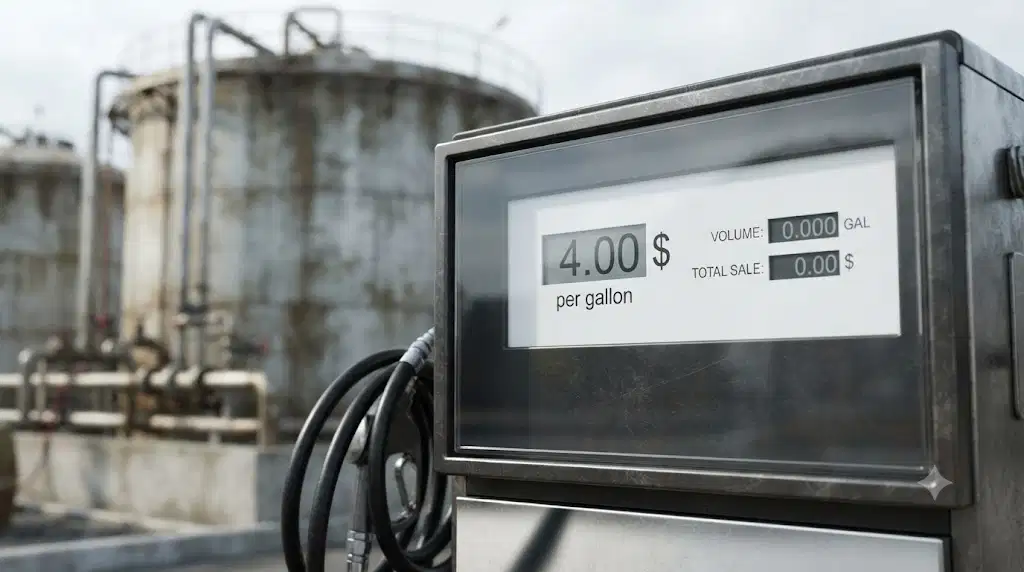
When two sectors vie for the same raw material, price volatility is inevitable. Here are the key pricing dynamics:
Short‑term spikes: Seasonal harvest fluctuations can trigger rapid price increases as bioplastic demand lags behind food demand.
Long‑term premium: Contracts with bioplastic manufacturers often include higher margins, pushing overall market rates upward.
Cross‑substitution effects: A shortage in one starch type can lead buyers to switch to alternatives, distorting price signals.
Availability Challenges
Supply constraints manifest in several ways:
Stockpile depletion: Food manufacturers may see their buffer stocks erode faster due to bioplastic purchases.
Logistical bottlenecks: The additional processing steps required for bioplastic feedstock can delay delivery times.
Regulatory shifts: Food‑grade specifications differ from industrial‑grade, and compliance requirements can limit rapid reallocation.

Long‑Term Sourcing Strategies
Procurement teams can adopt a proactive approach to mitigate risk:
Multi‑source portfolios: Diversify suppliers across regions and suppliers to reduce dependency on a single feedstock stream.
Strategic reserves: Maintain higher inventory buffers for critical starches, especially during high‑demand periods.
Collaborative agreements: Partner with bioplastic producers to secure forward contracts that align with food production schedules.
Technological scouting: Explore alternative starches or engineered blends that meet both food and bioplastic specifications.
Conclusion
Starch‑based bioplastics are not a passing trend—they represent a significant shift in how key raw materials are valued and allocated. Procurement teams that understand the interplay between food and bioplastic demand, monitor pricing signals, and adopt flexible sourcing strategies will be better positioned to navigate this evolving landscape. Staying ahead of feedstock competition means safeguarding supply, controlling costs, and ensuring that both food products and sustainable packaging can coexist on a stable, long‑term basis.
Corn Starch CAS: 9005-25-8