The styrene and ABS markets are entering a gradual stabilization phase after facing severe feedstock pressure during the first half of 2026. Producers have been challenged by limited availability of both ethylene and benzene, creating higher production costs and tighter polymer supply conditions.
For automotive, electronics and consumer goods manufacturers, the key question is how quickly improving aromatics supply will translate into lower resin costs. While supply pressure is easing, buyers should expect a gradual adjustment rather than an immediate return to previous price levels.
Why Styrene Supply Became Challenging in H1 2026
Styrene production depends on two critical feedstocks, ethylene and benzene. When both materials face supply constraints at the same time, producers experience significant margin pressure.
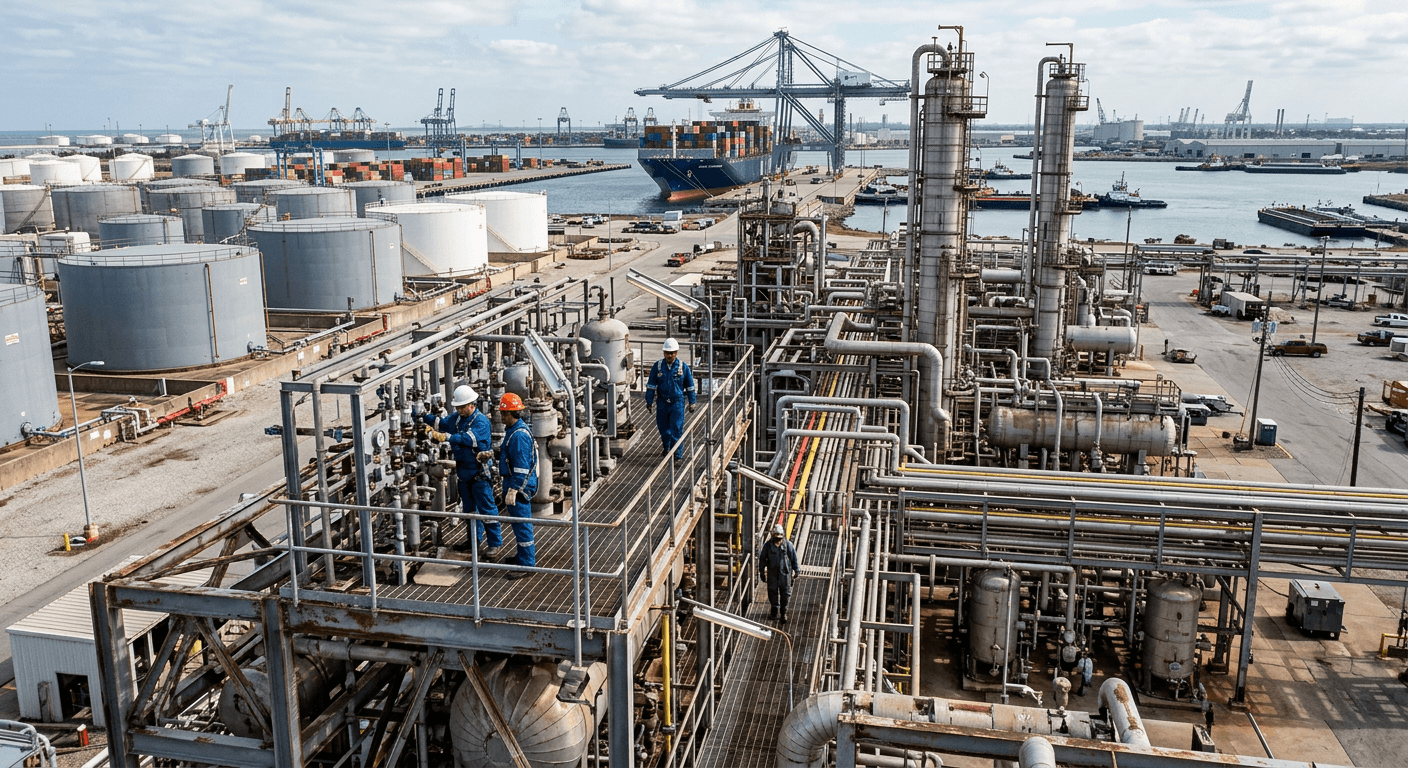
During H1 2026, benzene availability tightened as regional cracker operations were affected by feedstock disruptions. At the same time, ethylene markets faced their own supply challenges, creating a difficult environment for styrene producers.
The impact spread across downstream industries:
Polystyrene producers faced higher raw material costs.
ABS manufacturers experienced reduced production flexibility.
End users faced higher resin prices and tighter supply availability.
This combination created pressure across the plastics value chain.
Benzene Recovery Creates Relief for Styrene Producers
Benzene supply conditions are beginning to improve as Northeast Asian cracker operations recover and Gulf-origin cargo flows start returning.
Japan and Korea’s naphtha cracker recovery is expected to gradually increase benzene by-product output. Additional Gulf supply could also provide more flexibility for Asian buyers.
Improving benzene availability may support:
Lower styrene production costs.
Better feedstock planning for polymer producers.
Reduced emergency purchasing pressure.
However, the recovery will depend on consistent supply flows rather than short-term improvements.
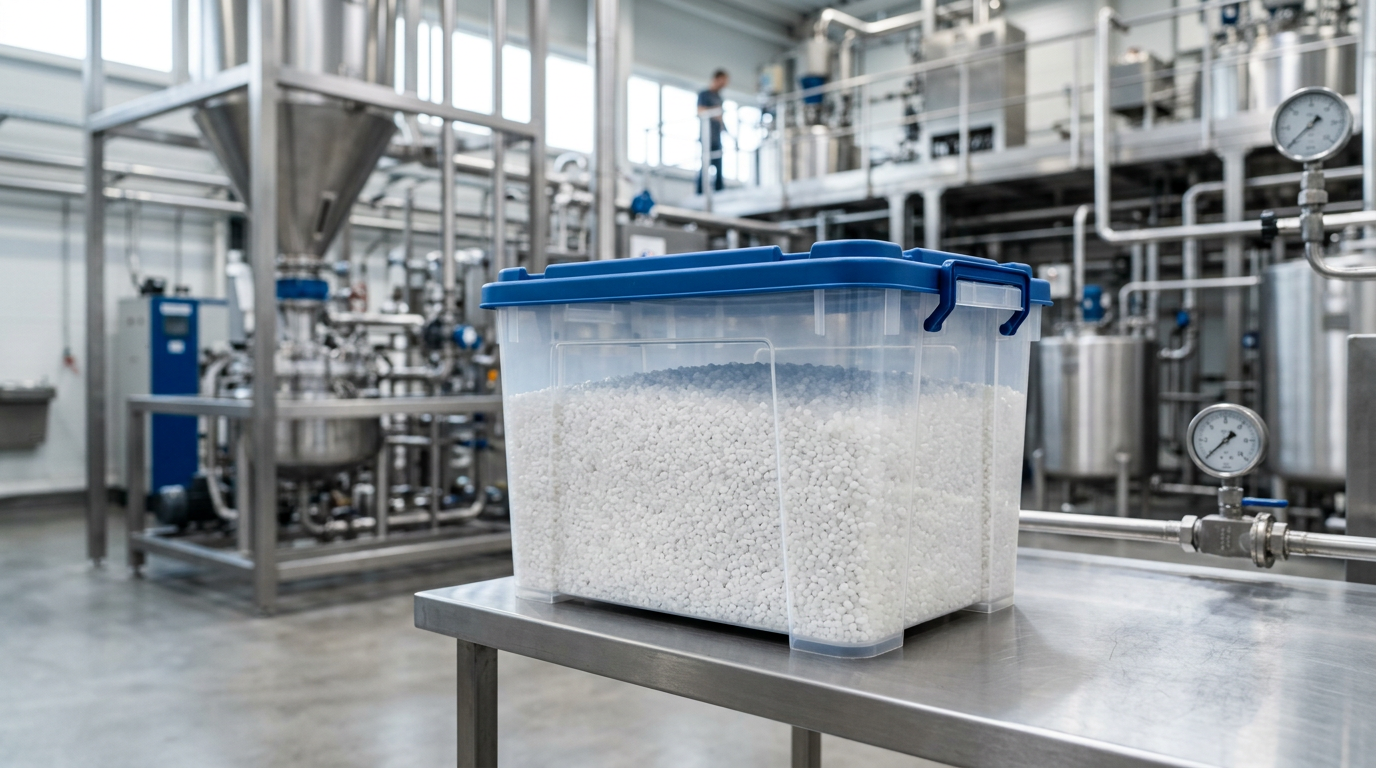
ABS Market Conditions and Production Challenges
ABS producers rely on styrene, acrylonitrile and butadiene as key components. Supply constraints in multiple feedstocks have forced some manufacturers in China and India to reduce operating rates.
The automotive and electronics sectors remain major ABS consumers, making supply stability especially important for manufacturers that require consistent resin grades.
Current ABS market conditions are shaped by:
Improving styrene availability.
Continued monitoring of acrylonitrile supply.
Inventory rebuilding among buyers.
Demand recovery across manufacturing sectors.
As supply improves, producers may gradually increase operating rates.
Q3 2026 Styrene and ABS Price Outlook
The most likely scenario for Q3 is moderate cost improvement rather than a sharp price decline.
Feedstock relief may reduce some production pressure, but several factors will continue supporting prices:
Buyers need to rebuild inventories after months of limited availability.
Producers are managing cautious restart schedules.
Contract negotiations reflect earlier high-cost conditions.
For ABS resin buyers, July prices may remain elevated even if feedstock markets begin improving.
Impact on Automotive and Electronics Buyers
Automotive and electronics manufacturers depend heavily on ABS resin because of its strength, durability and processing performance.
Supply stabilization could improve planning confidence for:
Interior automotive components.
Electronic housings and consumer devices.
Industrial plastic applications.
However, buyers should continue evaluating supplier reliability because market recovery periods often create uneven availability across regions.
Procurement Strategy for Styrene and ABS Buyers
Procurement teams should focus on balancing immediate supply security with future market opportunities.
Recommended actions include:
Review current inventory coverage before delaying purchases.
Compare supplier offers across different regions.
Track benzene and acrylonitrile market movements.
Maintain communication with producers about restart schedules.
A phased purchasing approach may help buyers manage uncertainty during the transition period.
Key Risks That Could Affect Recovery
Although the market outlook is improving, several factors could slow normalization.
Important risks include:
Delayed benzene supply recovery.
Weak demand limiting producer margins.
Unexpected plant outages.
Continued logistics challenges.
The recovery path will likely vary between styrene, polystyrene and ABS markets because each segment has different supply and demand conditions.
What Polymer Buyers Should Expect Through July and Q3 2026
Styrene and ABS markets are moving toward a more balanced environment, but the adjustment will take time. Feedstock recovery is creating optimism, yet producers and buyers are still managing the effects of earlier disruptions.
For buyers, July will remain an important month for tracking benzene availability, producer operating rates and inventory rebuilding. Companies that maintain flexible sourcing strategies will be better prepared as market conditions improve. Ready to source ABS resin and related polymer materials from verified global suppliers? Explore competitive offers on our platform today.
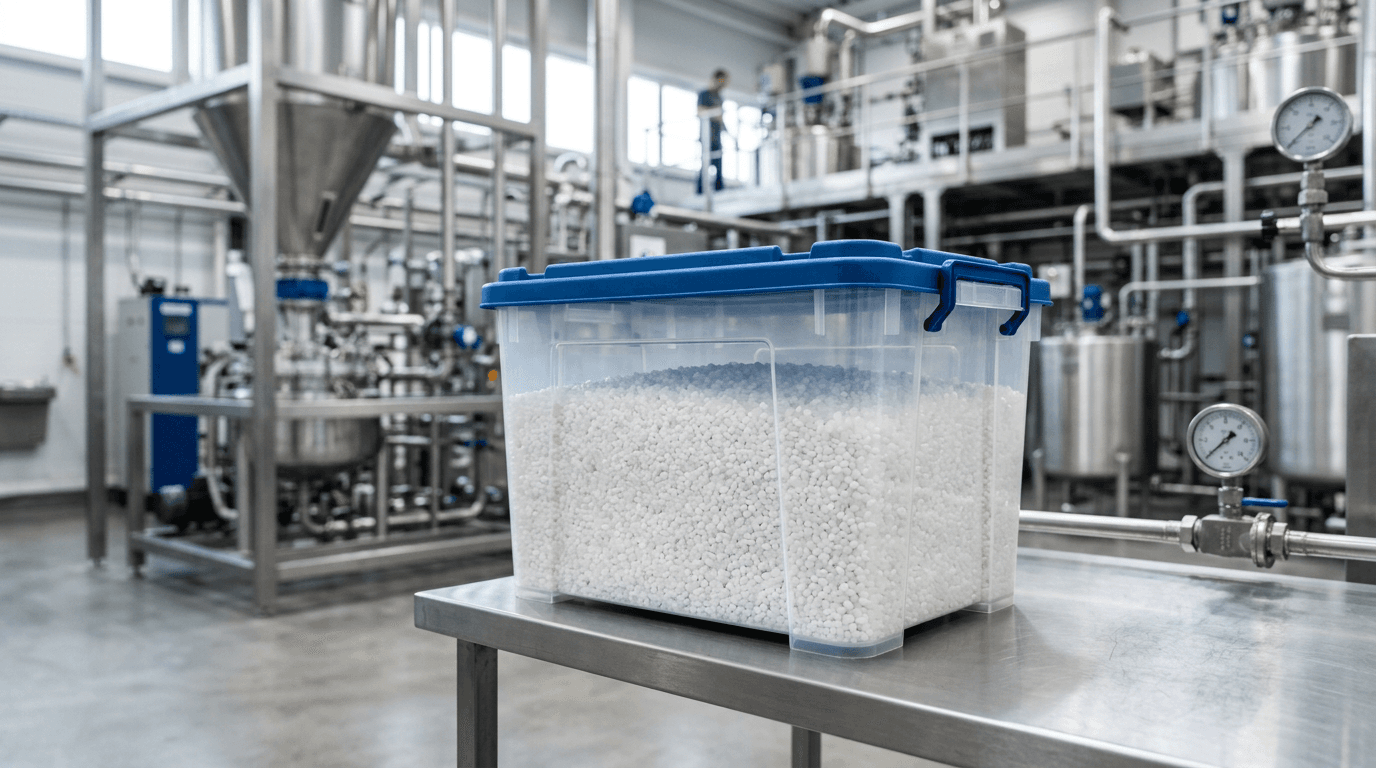
Acrylonitrile Butadiene Styrene (ABS) CAS: 9003-56-9