

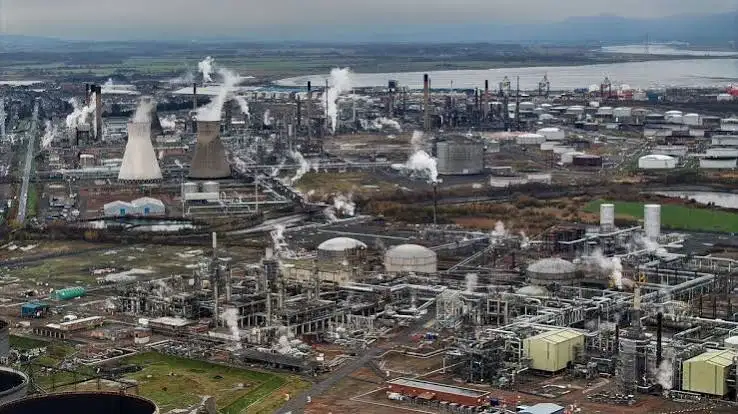

European petrochemical earnings may benefit from conflict-driven price support, but Asian competition continues to challenge margins and long-term recovery. Explore what procurement teams and chemical traders should watch in the shifting global market.
European petrochemical crackers are receiving temporary pricing support as conflict-related supply constraints tighten availability across key markets. Yet weak demand and persistent overcapacity continue to limit the sector's recovery and keep procurement strategies under pressure.
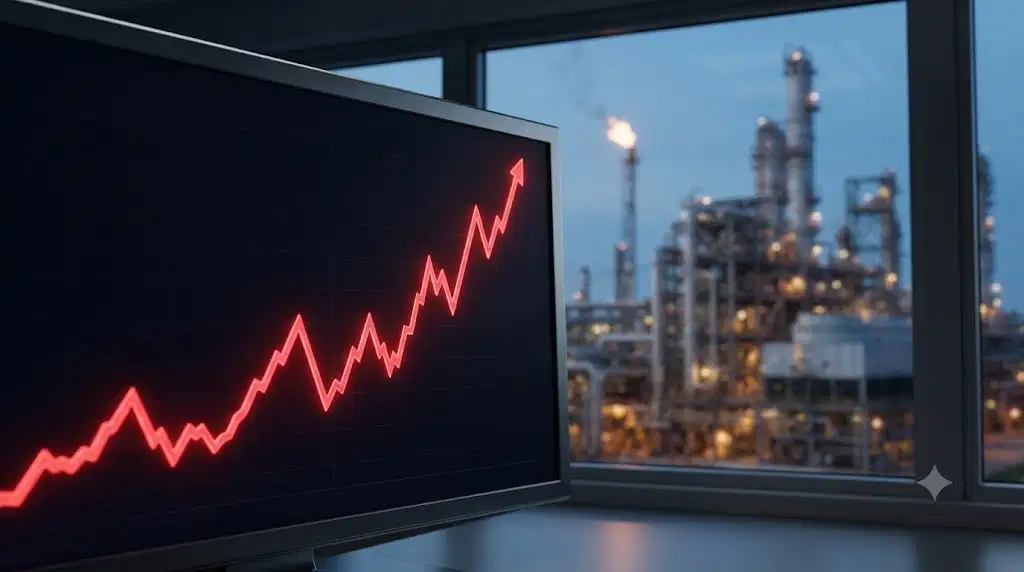
Brent crude averaged $85 per barrel in June before surging back above $90 in July. This rapid price reversal forces chemical procurement teams to reassess feedstock budgets and sourcing strategies immediately. INDUSTRY: Plastic and Polymers
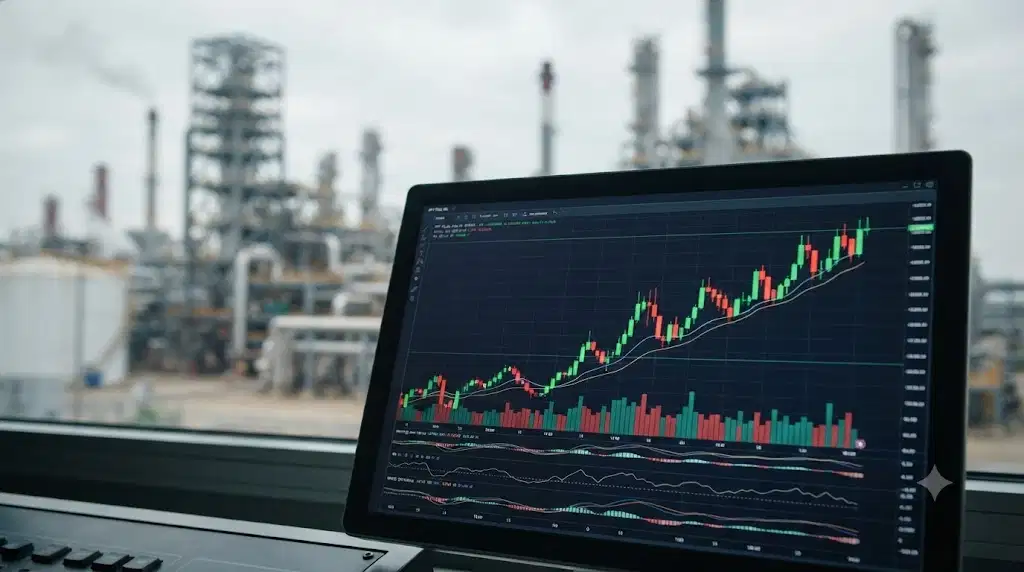
The EIA July 2026 forecast of $74 oil is already obsolete. Brent crude has surged past $90 following the ceasefire collapse, forcing chemical procurement teams to rapidly adjust their feedstock budgets. INDUSTRY: Plastic and Polymers
Nine consecutive nights of US military strikes on Iran are disrupting Hormuz transit and reshaping commodity chemical feedstock markets. Track the timeline and understand the pricing implications for petrochemical buyers.
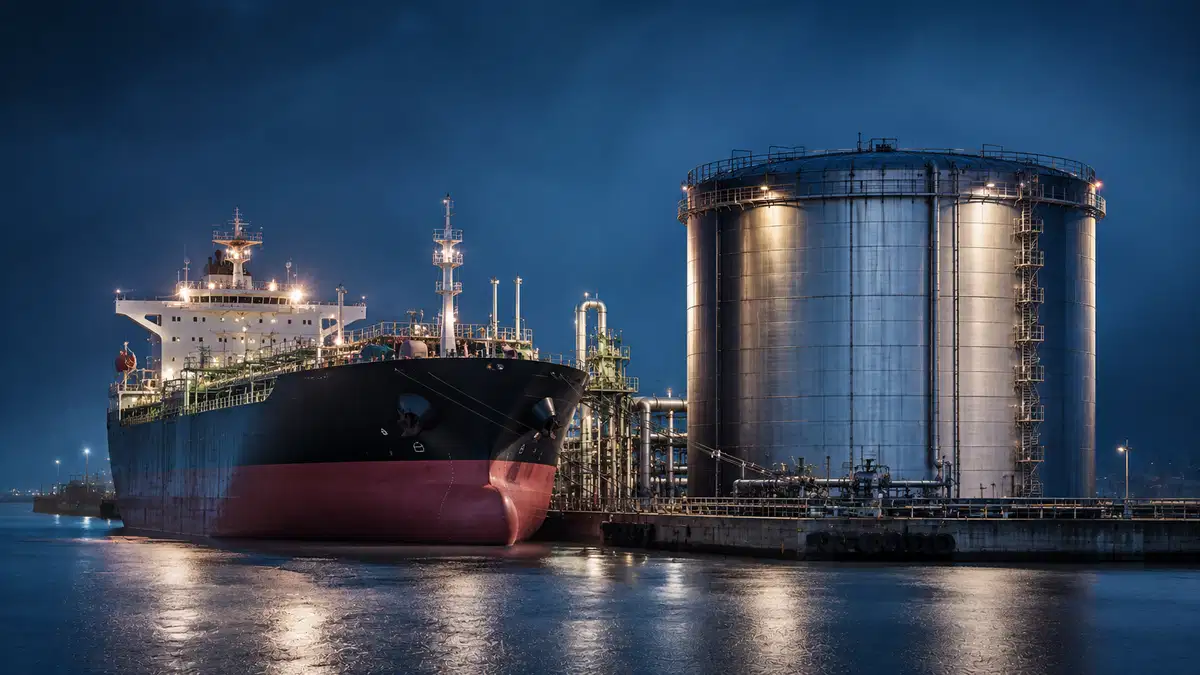
A proposed 20% fee on cargo moving through the Strait of Hormuz could reshape landed petrochemical costs, freight economics and sourcing decisions. Here is what chemical buyers need to watch as Gulf trade faces a new cost pressure.
We're committed to your privacy. Tradeasia uses the information you provide to us to contact you about our relevant content, products, and services. For more information, check out our privacy policy.