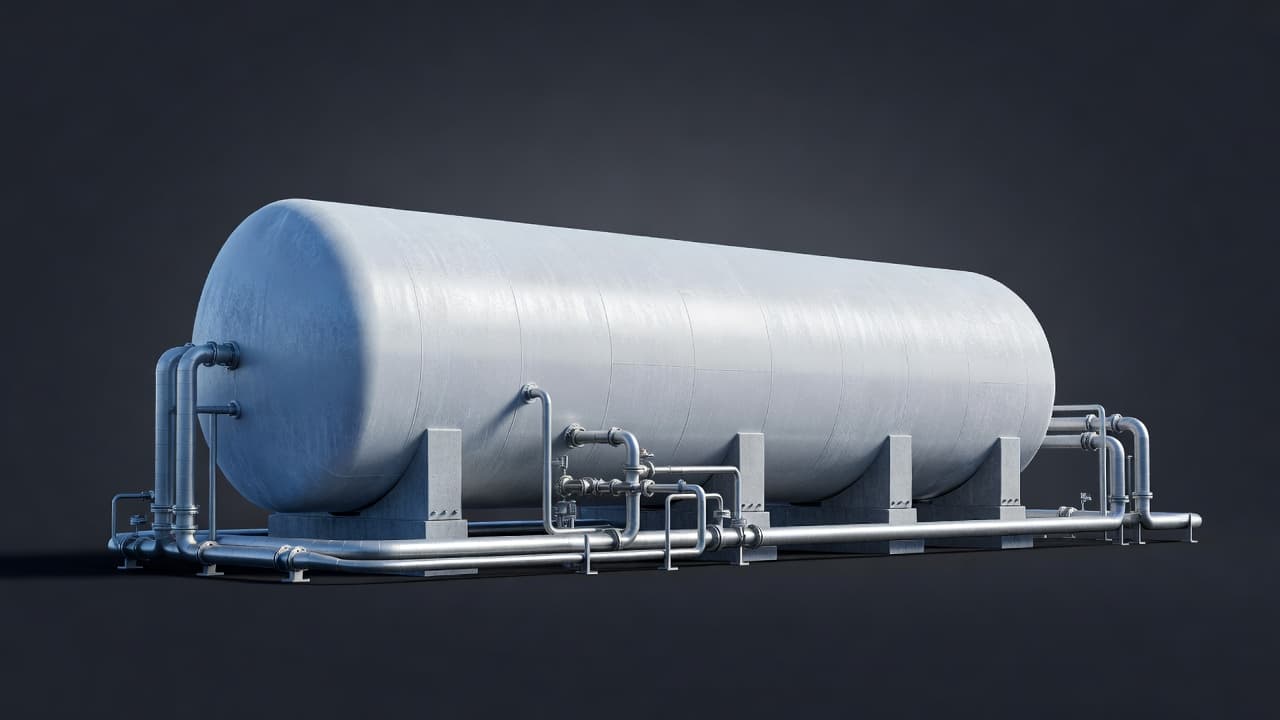
The global petrochemical industry is entering a new feedstock transition phase as US ethane export infrastructure expands along the Gulf Coast. The US ethane export capacity outlook for 2026 is becoming increasingly important for Asian chemical producers seeking alternatives to traditional naphtha-based ethylene production.
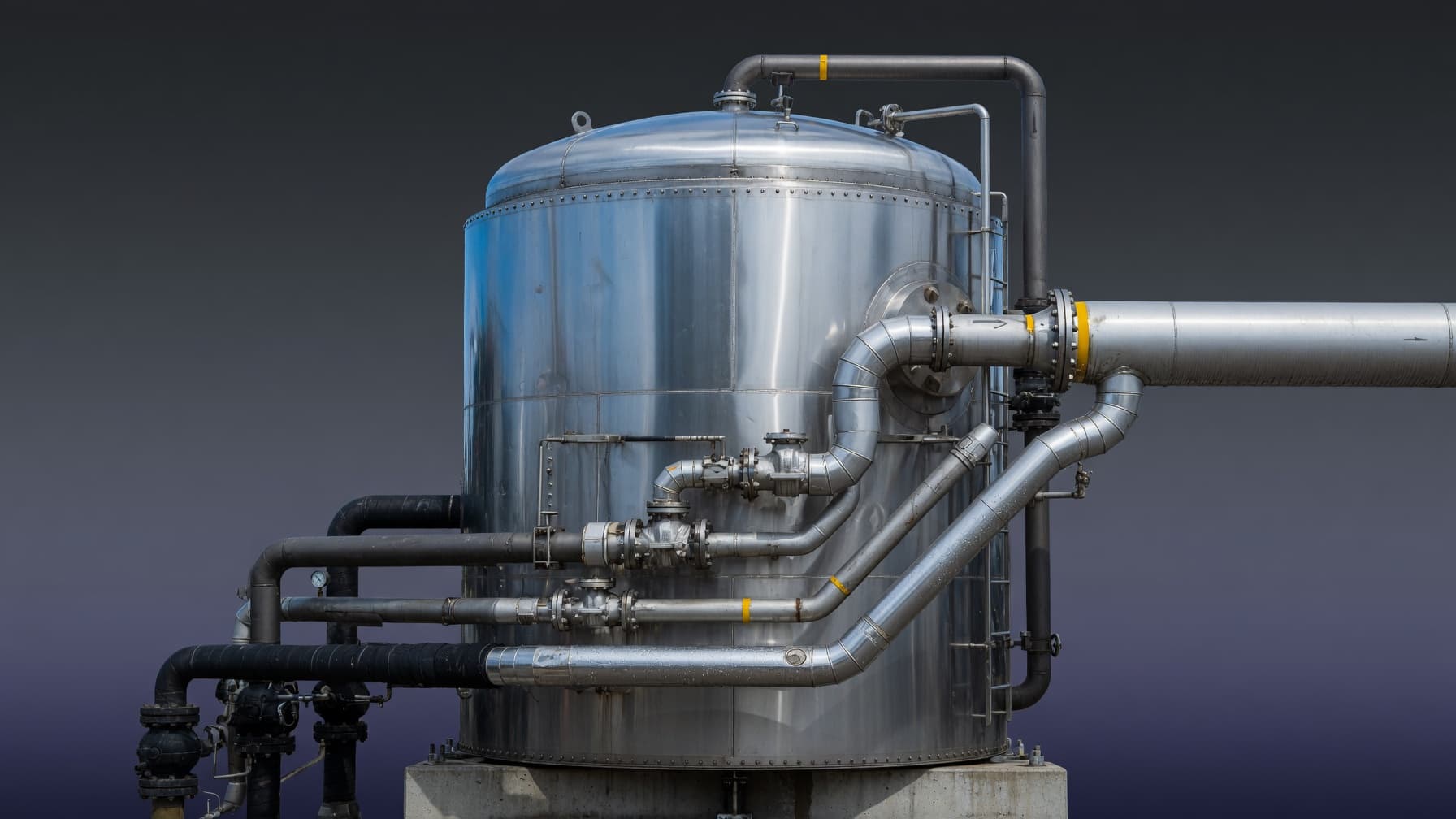
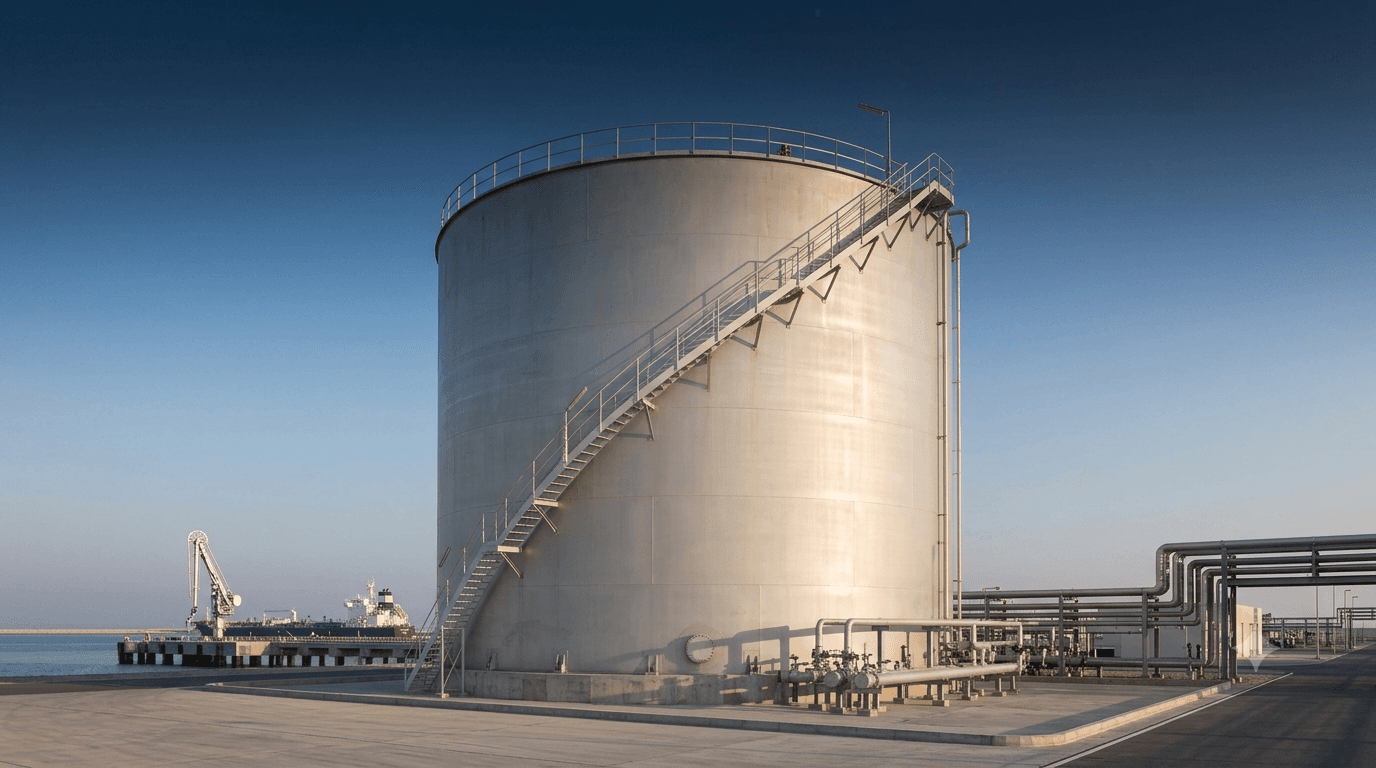
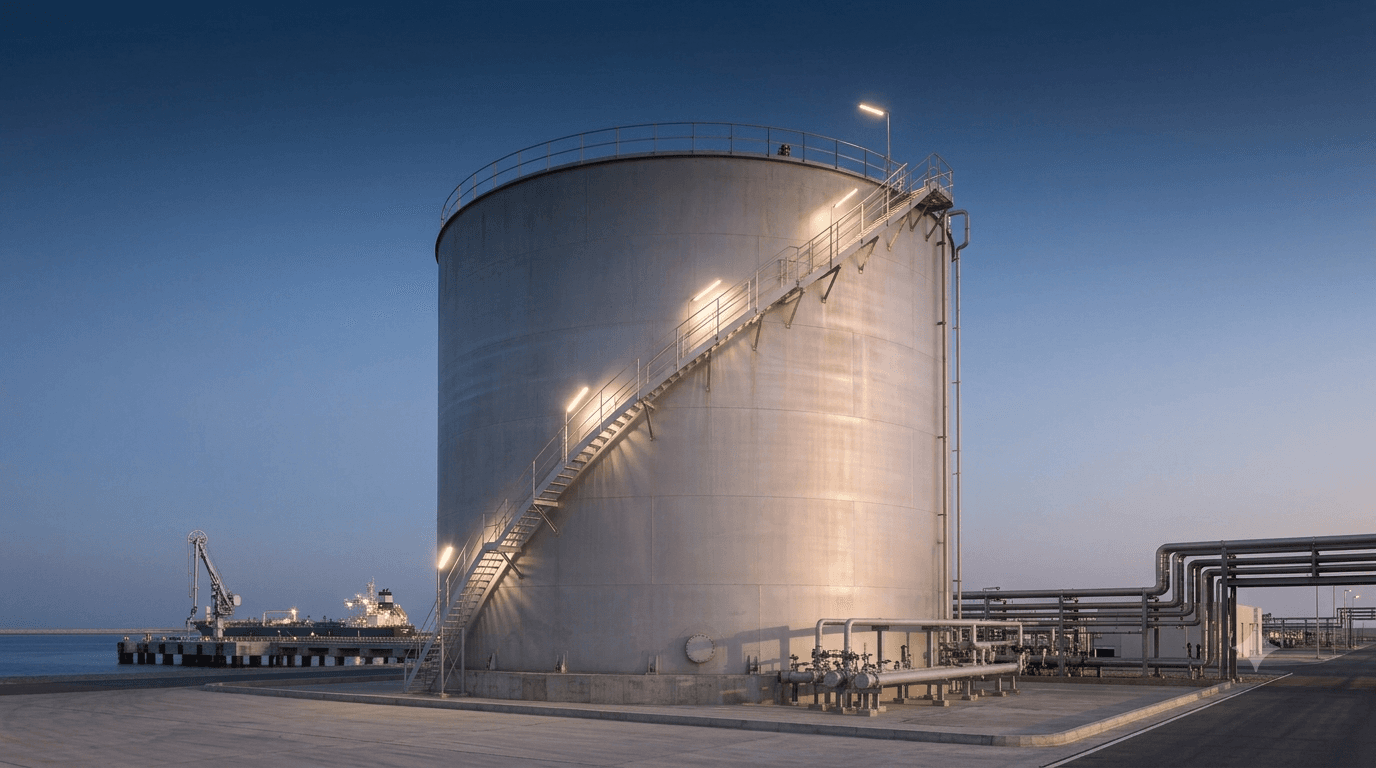
Enterprise Products’ expansion of its Neches River Terminal in Orange County, Texas represents a major development for international ethane trade. The project will increase flexibility for global buyers by supporting large-scale exports of ethane and propane.
For ethane buyers and petrochemical producers, the expansion strengthens the role of US natural gas liquids as a strategic feedstock source.
Enterprise Products Expands Gulf Coast Ethane Export Capability
Enterprise Products plans to complete Phase 2 of its Neches River Terminal in Q2 2026, creating a flexible export facility capable of handling significant volumes of ethane or propane.
The terminal expansion is designed to support:
Ethane export loading.
Propane export flexibility.
International petrochemical feedstock supply.
Growing demand from overseas crackers.
The facility will allow exporters to adjust cargo flows depending on global market conditions.
Ethane Becomes a Strategic Alternative to Naphtha
Ethane has gained importance among petrochemical producers because it offers a competitive feedstock option for ethylene production. Many Asian producers have historically relied heavily on naphtha, which is closely linked to crude oil markets.
Ethane-based production can provide:
Lower-cost feedstock opportunities.
Reduced exposure to crude oil volatility.
Greater feedstock diversification.
More predictable production economics.
The shift is especially relevant as recent supply disruptions have highlighted the risks of concentrated feedstock dependence.
Asia’s Ethane Cracker Expansion Supports Demand Growth
Asian petrochemical producers are increasingly evaluating ethane crackers as part of long-term feedstock strategies. These investments allow companies to access global ethane supplies and reduce reliance on imported naphtha.
Growing interest is driven by:
Need for competitive ethylene production.
Pressure to manage raw material costs.
Desire for supply security.
Expansion of downstream polymer capacity.
As more ethane-based facilities develop, export infrastructure becomes a critical part of the global chemical supply chain.
US Gulf Coast Infrastructure Strengthens Global Trade Position
The US Gulf Coast has become one of the world’s most important petrochemical hubs due to abundant natural gas resources and integrated export infrastructure.
Advantages include:
Large NGL production volumes.
Established energy networks.
Proximity to chemical manufacturing.
Access to international shipping routes.
New export capacity strengthens the region’s role as a long-term supplier of petrochemical feedstocks.
Additional LPG Export Expansion Supports Market Flexibility
Enterprise Products also plans to expand LPG export capacity at its Houston Ship Channel terminal in Q4 2026. The expansion will add significant additional capability for global propane and related energy product flows.
This broader NGL infrastructure development supports:
More flexible export operations.
Improved regional logistics.
Stronger global feedstock connections.
The combined effect is increased flexibility across international petrochemical markets.
Impact on Global Ethylene and Polymer Markets
Ethane supply growth has direct implications for ethylene production, which supports major polymer markets including polyethylene.
Ethylene is used in:
Polyethylene production: Supporting packaging, films and industrial materials.
Chemical intermediates.
Industrial applications.
Specialty material manufacturing.
Greater ethane availability may influence global cost structures and producer competitiveness.

Reducing Dependence on Middle East Feedstocks
The expansion of US ethane exports provides an alternative supply route for regions that historically depended on Middle Eastern feedstocks.
For Asian buyers, this diversification can improve supply resilience by reducing exposure to:
Regional geopolitical disruptions.
Shipping route challenges.
Crude-linked feedstock volatility.
A broader supplier network gives petrochemical companies more flexibility during market disruptions.
Procurement Considerations for Ethane Buyers
Companies sourcing ethane or investing in ethane-based production should evaluate long-term supply fundamentals rather than short-term price movements.
Important factors include:
Export terminal availability.
Shipping capacity.
Contract structures.
Feedstock pricing relationships.
Infrastructure reliability.
Long-term planning will be essential as global cracker economics continue changing.
Challenges in Expanding Ethane Trade
Although US ethane exports offer strategic advantages, the market still faces operational challenges.
Key considerations include:
Specialized shipping requirements.
Infrastructure investment costs.
Regional demand growth.
Long-term contract commitments.
The success of ethane-based strategies depends on reliable logistics from production source to end-user.
Market Outlook for Global Feedstock Competition
The expansion of US NGL export capacity marks a significant step in the evolution of global petrochemical supply chains. As producers seek more resilient and competitive feedstock options, ethane is likely to play a larger role.
The combination of US infrastructure growth and Asian cracker investments could gradually reshape global ethylene production patterns.
What Buyers Should Monitor Through 2026 and Beyond
Ethane export growth represents a long-term shift rather than a short-term market adjustment. Buyers should track infrastructure completion, shipping availability and new cracker developments to understand future supply opportunities.
For petrochemical procurement teams, diversified feedstock strategies will become increasingly important as global chemical markets adapt to changing energy and supply conditions.
Ready to source Ethane from verified global suppliers? Explore competitive offers on our platform today.
Diethylene Glycol CAS: 111-46-6