
The future of European commodity chemical manufacturing is increasingly shaped by structural economics rather than short-term market cycles. Few examples illustrate this more clearly than the situation at INEOS Olefins and Polymers UK's Grangemouth complex. The £120 million government support package, announced in December 2025, provides funding intended to support operations over the next five years, yet the company has also stated that trade pressures remain a significant concern.
For procurement professionals, Grangemouth is more than an isolated business story. It provides a practical example of the commercial challenges facing many European chemical assets, where higher operating costs, changing global trade patterns and increasing international competition continue reshaping investment decisions.
Why Grangemouth Matters to the UK Chemical Industry
Grangemouth occupies a unique position within the UK petrochemical sector.
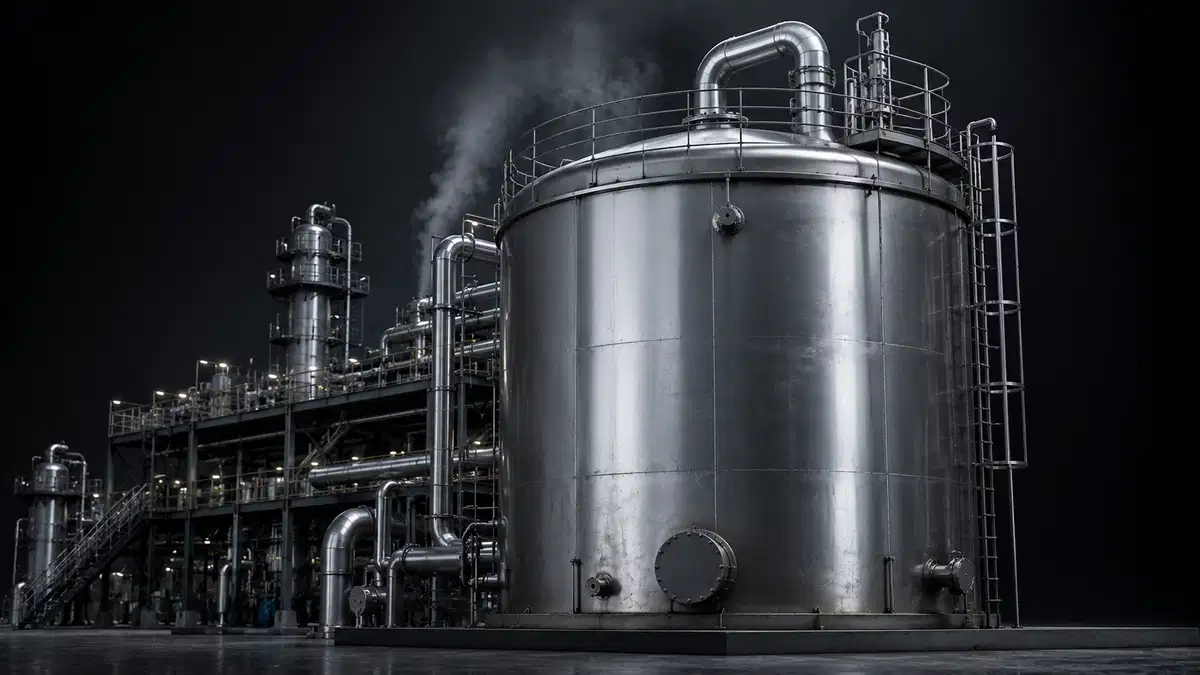
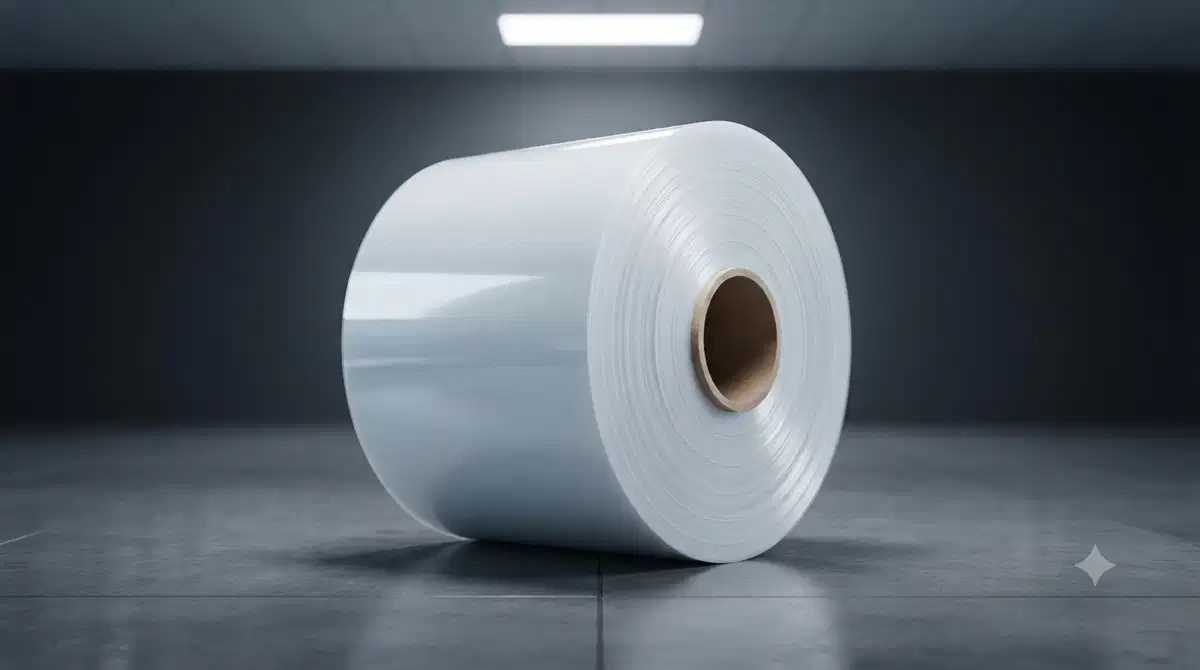
The site includes the country's only domestic producer of linear low-density polyethylene (LLDPE), supplying material used across flexible packaging and other industrial applications. It also operates an integrated steam cracker processing imported US ethane alongside North Sea gas feedstocks.
This integration makes the complex strategically important because upstream and downstream operations support each other through a connected production chain.
Changes affecting one part of the facility can influence the competitiveness of the wider site.
Understanding the Government Support Package
The government support package announced in December 2025 reflects the strategic importance of maintaining domestic chemical production capacity.
According to company statements, the funding provides basic financial support to continue operations over the next five years. At the same time, INEOS has argued that unresolved trade issues, including concerns regarding dumped imports, could continue placing pressure on both the LLDPE facility and the associated steam cracker.
This distinction is important.
Financial support may improve operational stability in the near term, but it does not automatically resolve the structural cost challenges affecting long-term competitiveness.
Structural Pressures Extend Beyond One Company
Grangemouth represents a wider trend visible across the European chemical industry.
Multiple reports during recent years have identified several common pressures affecting commodity chemical manufacturing.
These include:
Higher energy costs compared with North America and the Middle East.
Increasing regulatory and environmental compliance requirements.
Weak downstream demand across important industrial sectors.
Greater competition from expanding Asian production capacity.
Each factor individually affects profitability. Together, they create sustained pressure on investment decisions and plant utilisation.
Feedstock Advantage Alone Does Not Guarantee Competitiveness
One interesting aspect of the Grangemouth complex is its use of imported US ethane together with North Sea gas.
US ethane generally offers a more competitive feedstock than naphtha used by many European crackers. However, feedstock advantage represents only one part of total production economics.
Manufacturing competitiveness also depends on:
Energy costs.
Labour expenses.
Regulatory obligations.
Plant operating efficiency.
Logistics and infrastructure.
As a result, access to competitive feedstock alone may not fully offset broader structural disadvantages.
Trade Policy Has Become Part of Industrial Competitiveness
The Grangemouth case also demonstrates how trade policy increasingly influences chemical manufacturing.
The company's concerns regarding imported LLDPE illustrate that competitiveness today depends not only on production efficiency but also on international trade conditions.
For procurement teams, this means monitoring:
Trade remedy investigations.
Import trends.
Changes in regional production capacity.
Government industrial policy.
These factors can affect long-term supply availability as much as conventional market fundamentals.
What This Means for European Supply Capacity
One of the most important questions for buyers is whether current challenges represent a temporary market downturn or a lasting structural adjustment.
Several indicators suggest that parts of Europe's commodity chemical sector continue facing long-term pressure.
These include:
Slower investment in commodity production assets.
Continued capacity expansion in lower-cost regions.
Persistent energy cost differences.
Ongoing rationalisation of higher-cost facilities.
If these trends continue, European production capacity may gradually become more concentrated in strategically competitive sites while less efficient assets face increasing commercial pressure.
Procurement Lessons From the Grangemouth Case
The Grangemouth situation provides several practical lessons for procurement professionals.
Supplier evaluation should extend beyond current production volumes and pricing.
Important considerations include:
Financial resilience of key manufacturing sites.
Exposure to regional policy and regulatory changes.
Feedstock competitiveness.
Integration across upstream and downstream operations.
Long-term investment commitments.
These factors offer valuable insight into future supply reliability.
Looking Beyond Individual Plant Announcements
Procurement teams should view individual plant developments within the broader context of global chemical industry economics. The challenges facing Grangemouth reflect wider structural forces affecting commodity manufacturing across Europe rather than a single company or product line.
Understanding these structural drivers allows buyers to distinguish between temporary operational issues and longer-term shifts in production geography. That perspective supports stronger sourcing decisions, better supply risk management and more resilient procurement planning as the European chemical industry continues evolving. Ready to source polyethylene and other industrial chemicals from verified global suppliers? Explore competitive offers on our platform today.
Linear-Low Density Polyethylene (LLDPE) CAS: 9002-88-4