

Related Insights

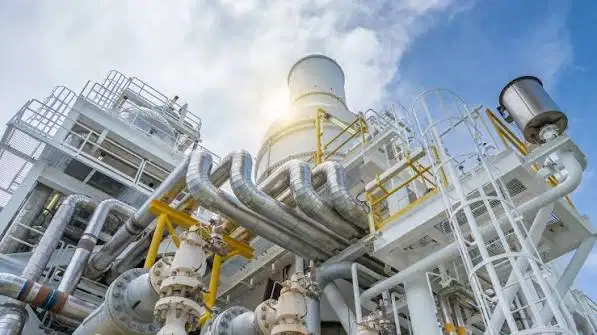
Ethane Over Naphtha: Why New Commodity Plants Are Redesigning Around US Feedstock Advantage
Newer commodity chemical plants are being designed to rely on US ethane rather than naphtha to stay competitive, a structural shift reshaping where new capacity gets built and how global petrochemical supply chains are configured. For procurement teams sourcing ethylene, propylene and derivatives, understanding this feedstock transition and its implications for cost structures, regional competitiveness and supply security matters for long-term sourcing strategy.

India's Trade Actions and Food-Contact Chemical Costs: What Packaging Buyers Should Watch
India's proposed anti-dumping duties on selected US chemical shipments and duty-free treatment for domestic polyurethane raw materials could reshape regional food-contact packaging costs. Procurement teams should assess supplier strategies and raw material exposure before pricing changes reach downstream markets.
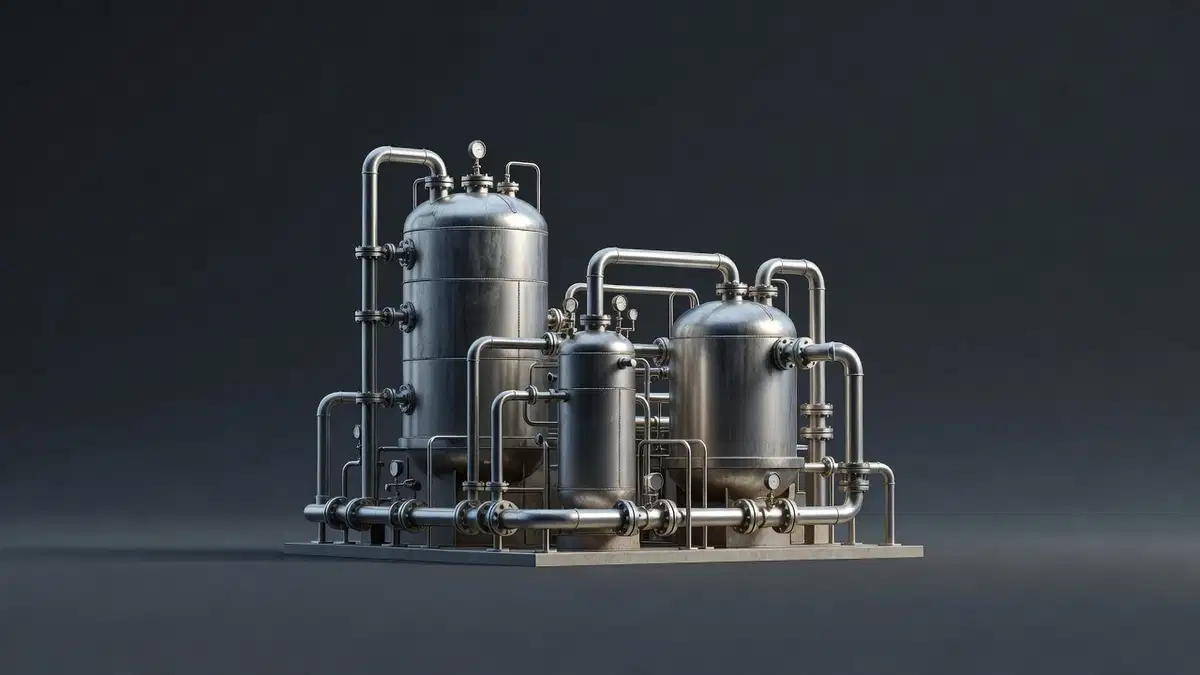
US Petrochemical Plant Shutdowns: What Halts in PS, PVC and Styrene Production Mean for Chemical Buyers
Four major US chemical companies suspended production lines for polystyrene, PVC, styrene and related products during early July 2026. Procurement teams should evaluate how reduced operating capacity may affect product availability, regional pricing and future sourcing strategies.
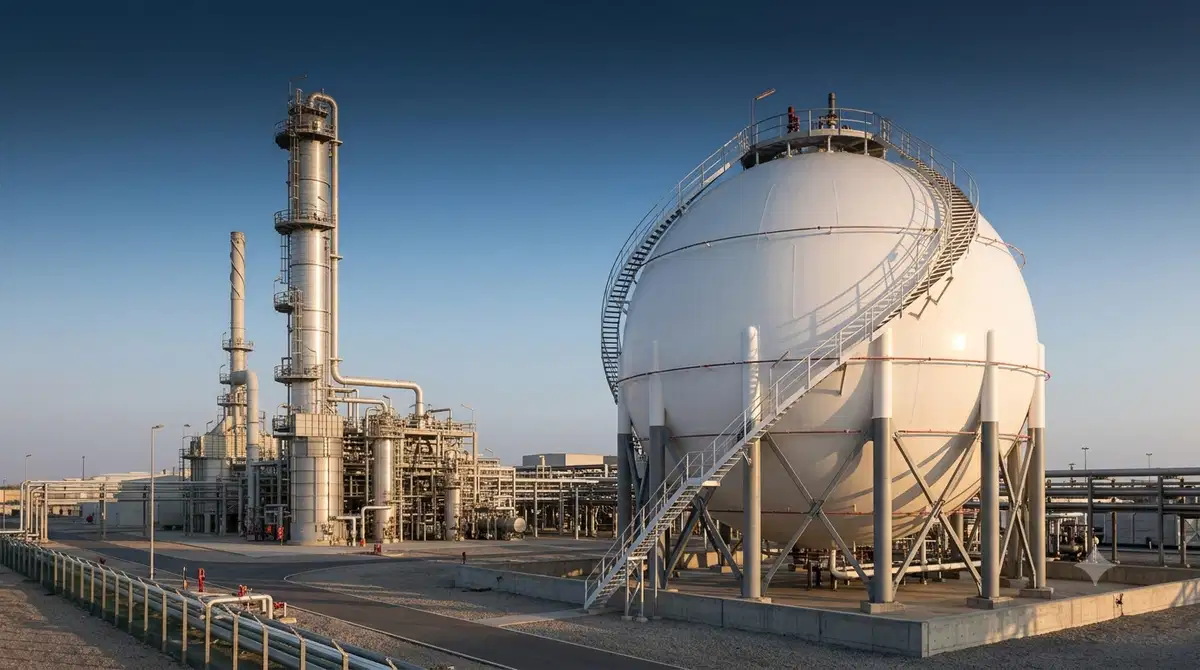
Fertilizer Before Plastics: How Crisis Triage Reorders Petrochemical Logistics and Chemical Supply Chains
When shipping routes face disruption, fertilizer and energy cargoes often receive priority over plastics and specialty chemicals. Understanding this logistics shift helps procurement teams reduce supply risks, improve sourcing strategies and protect production schedules.

BASF's Zhanjiang China Investment: What a $12 Billion Bet on China Means for Global Chemical Supply
BASF's new integrated petrochemical complex in Zhanjiang represents one of the largest foreign chemical investments ever made in China. The project strengthens BASF's long-term position in the world's largest chemical market while adding significant new production capacity to an industry already facing oversupply. Understanding this strategic investment helps procurement professionals anticipate future supply dynamics across Asia and beyond.
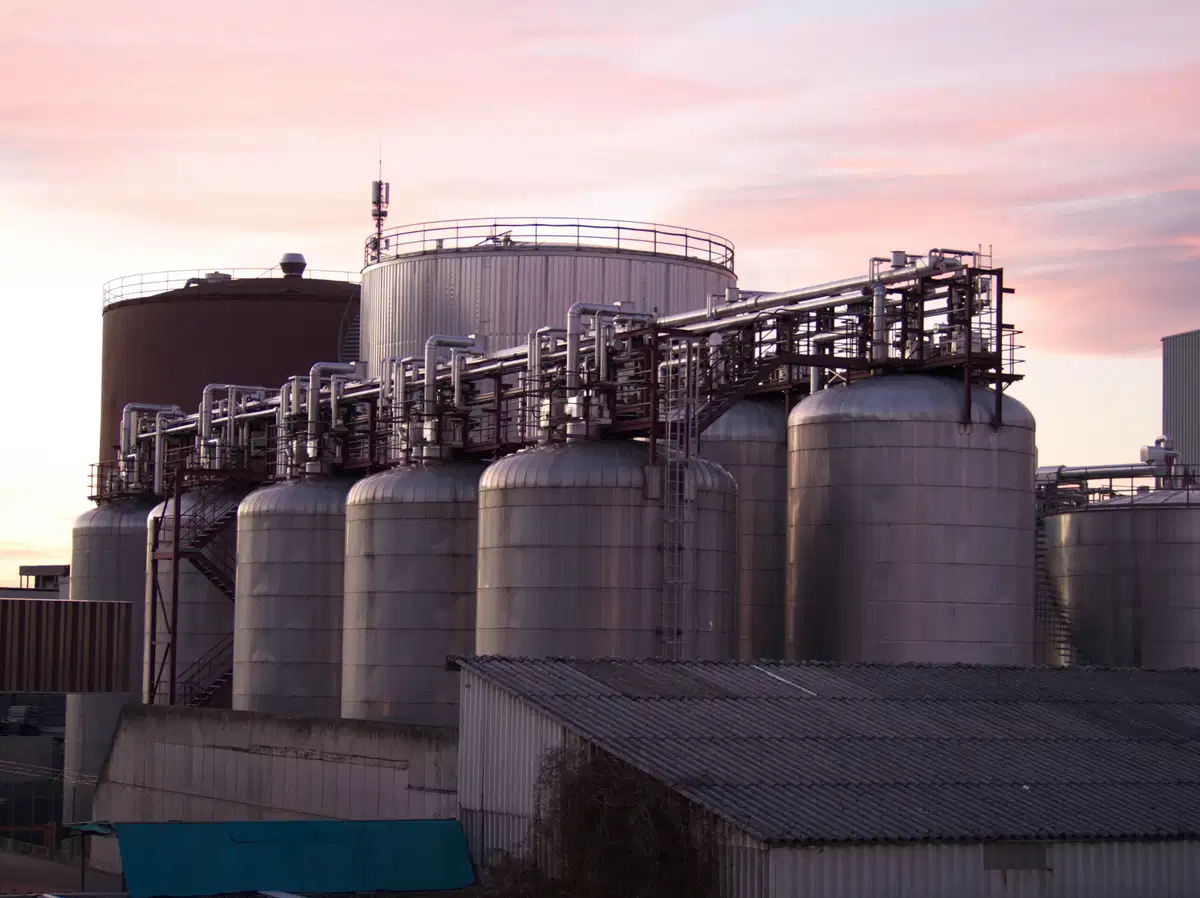
Superabsorbent Polymers (SAP): The Chemistry of Disposable Hygiene Products
Superabsorbent polymers are the hidden technology behind modern disposable hygiene products. This guide explains how SAP is produced from acrylic acid, how it absorbs water and why procurement teams should understand the specialised global supply chain behind this critical material.
Don't miss out on our updates! Subscribe to our newsletter now
We're committed to your privacy. Tradeasia uses the information you provide to us to contact you about our relevant content, products, and services. For more information, check out our privacy policy.