Xinjiang's New Polypropylene Plant: Tracking China's Continued Capacity Build-Out
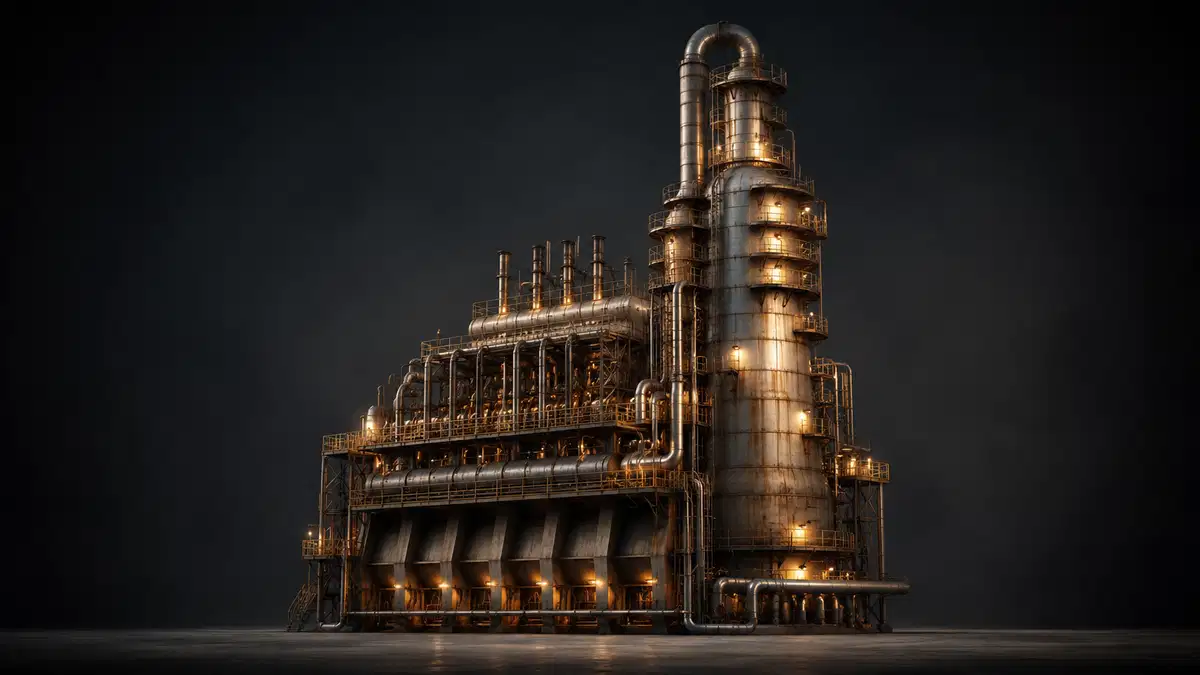
Construction officially began in 2026 on a new 450,000-tonne polypropylene plant at the Xinjiang Shaneng Wucaiwan project. This latest development is another significant step in China’s ongoing push toward greater self-sufficiency and capacity expansion in the petrochemical sector.
Xinjiang's New Polypropylene Plant: Tracking China's Continued Capacity Build-Out
Polypropylene (PP) is one of the most widely used plastics globally, essential for packaging, automotive parts, textiles, and consumer goods. The new facility in Xinjiang reflects China’s strategic focus on developing its western regions while strengthening domestic production capabilities.
Key Details of the Project
Capacity: 450,000 tonnes per year
Location: Xinjiang Shaneng Wucaiwan industrial zone
Strategic Importance: Part of broader efforts to utilize local resources and promote industrial development in western China
Timeline: Construction started in 2026, with commercial production expected in the coming years
Broader Context of China’s Polypropylene Expansion
This new plant is not an isolated project. China has been consistently adding polypropylene capacity across multiple provinces as part of its long-term industrial strategy. Key drivers include:
Meeting Domestic Demand: China remains the world’s largest consumer of polypropylene. Domestic capacity growth aims to reduce reliance on imports.
Regional Development: Projects in Xinjiang help balance economic growth between coastal and inland regions while leveraging local energy and feedstock resources.
Self-Sufficiency Goals: Successive capacity additions support China’s ambition to achieve strong self-reliance in critical materials.
Export Potential: Additional capacity often leads to increased export volumes when domestic supply exceeds local needs.
Impact on Global Polypropylene Markets
Supply Pressure: Continued capacity additions in China contribute to global oversupply risks, particularly in standard grades.
Price Dynamics: Increased domestic production typically exerts downward pressure on prices, affecting producers in Europe, the Middle East, and Southeast Asia.
Trade Flows: Higher self-sufficiency may reduce China’s import needs while potentially increasing its presence as an exporter in Asian and other emerging markets.
Competition: Regional producers face intensified competition, pushing them toward specialty grades, differentiation, and efficiency improvements.
What This Means for Chemical Buyers and Suppliers
For international traders and procurement professionals:
Sourcing Opportunities: Expect more competitive pricing and availability of Chinese-origin polypropylene in the coming years.
Quality and Grade Monitoring: Pay close attention to the specific grades this new plant will produce, as many new facilities focus on high-demand applications.
Contract Strategy: Long-term contracts may offer better stability amid potential price volatility from new capacity waves.
Diversification: Maintain a balanced supplier portfolio across regions to manage geopolitical and supply risks.
Challenges in China’s Capacity Build-Out
While capacity expansion supports self-sufficiency, it also raises concerns about overcapacity, low utilization rates, and margin pressure — issues that China’s anti-involution policies are attempting to address. The success of projects like Xinjiang Shaneng Wucaiwan will depend on achieving efficient operations and finding sustainable market outlets for the additional volume.
Future Outlook
Xinjiang’s new 450,000-tonne polypropylene plant is another milestone in China’s petrochemical expansion story. As more projects come online, the global industry will continue adapting to a market where China plays an even more dominant role in both production and consumption.
For global players, staying informed about these capacity developments and adjusting strategies accordingly will be critical for maintaining competitiveness in the evolving polypropylene landscape.