Información relacionada
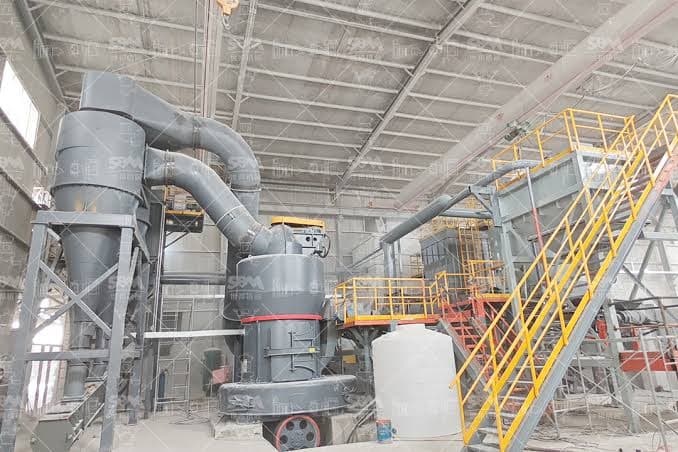
Dióxido de titanio: rutas de producción, grados y el proceso entre cloruro y sulfato
El dióxido de titanio es el principal pigmento blanco del mundo, pero no todos los grados de TiO₂ son iguales. Comprender las diferencias entre los procesos de producción de cloruro y sulfato, así como las formas cristalinas de rutilo y anatasa, ayuda a los profesionales de compras a seleccionar el pigmento más adecuado para recubrimientos, plásticos, papel y aplicaciones industriales.
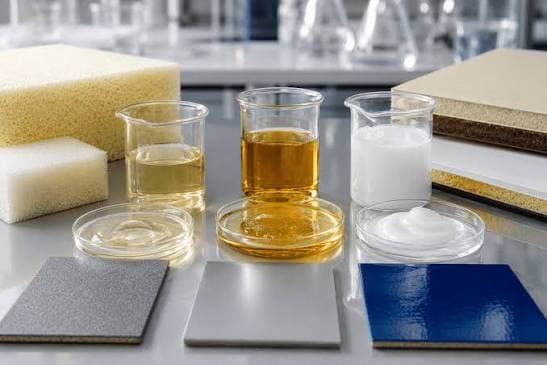
Polyurethane Chemistry: MDI, TDI, and Polyols Explained
Polyurethane is produced by reacting isocyanates with polyols, but not all isocyanates serve the same purpose. Understanding the distinct roles of MDI, TDI, and polyols helps procurement professionals interpret market dynamics, evaluate suppliers, and make better-informed sourcing decisions across the polyurethane value chain.
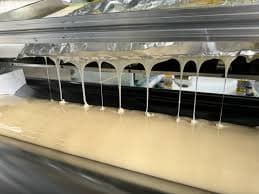
Epoxy Resins: BPA, ECH, and the Two-Component System
Most commercial epoxy systems consist of two carefully engineered components: an epoxy resin produced from bisphenol A and epichlorohydrin, and a compatible curing agent. Understanding how these components interact helps procurement professionals evaluate supplier specifications, manage formulation changes, and ensure consistent product performance.
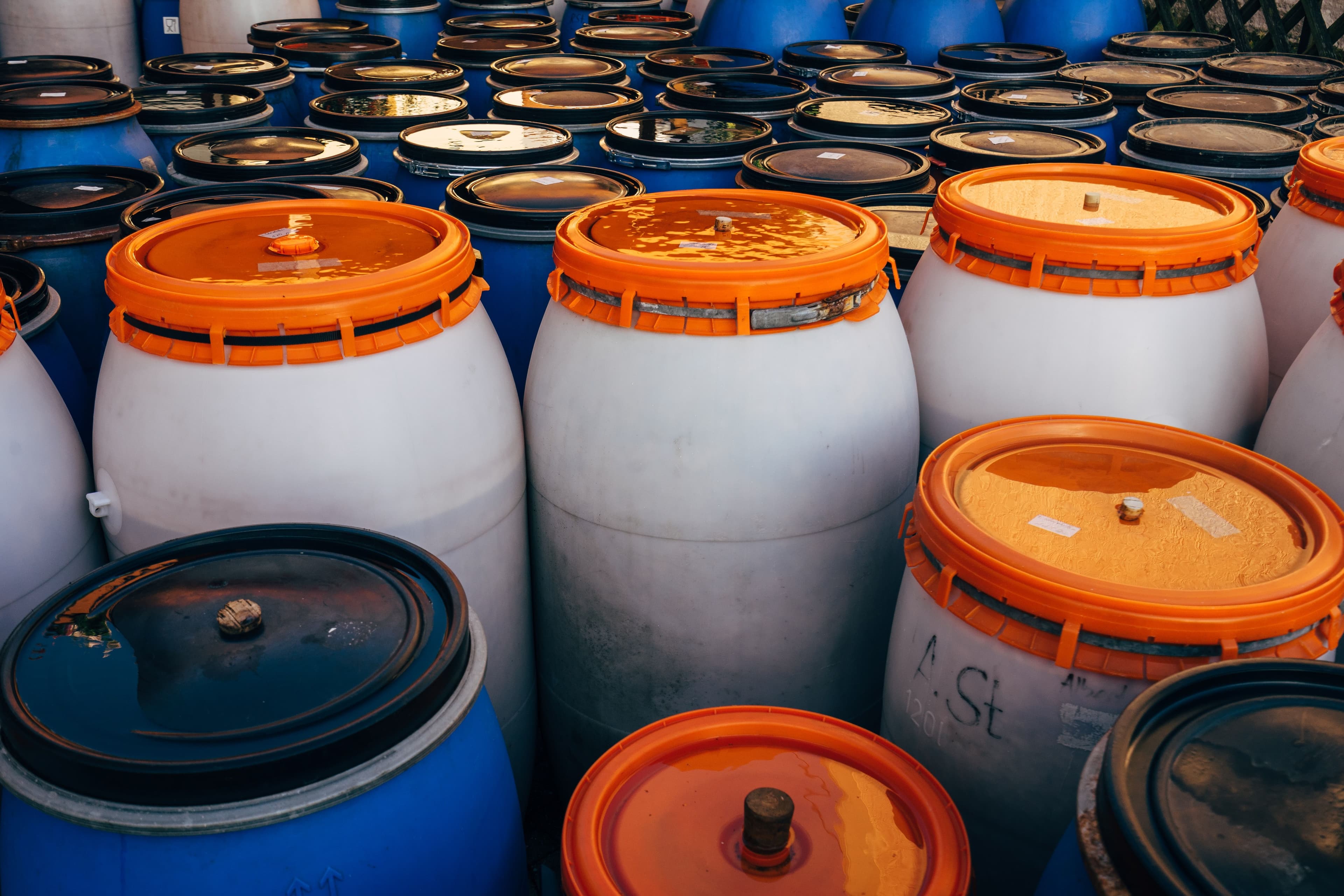
Polylactic Acid (PLA): Biopolymer Production, Properties, and Procurement Considerations
Polylactic acid has become one of the leading biopolymers for sustainable packaging and specialty applications. This guide explains how PLA is produced, how it compares with conventional plastics and what procurement professionals should evaluate before sourcing PLA.
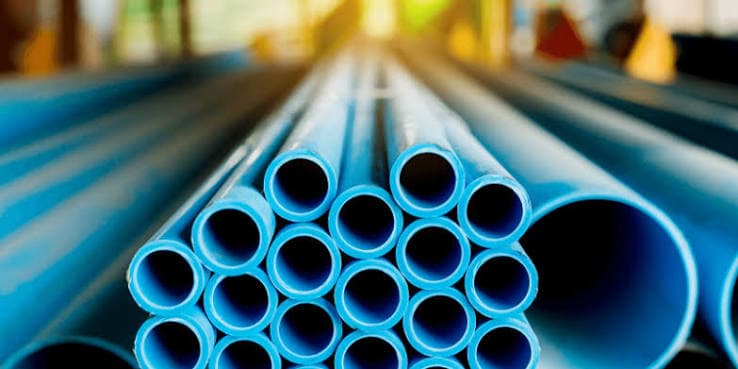
Phthalic Anhydride and Plasticisers: The Chemistry Behind Flexible PVC
Phthalic anhydride is the key intermediate used to manufacture plasticisers that transform rigid PVC into flexible products such as cables, flooring, and medical tubing. As regulatory requirements continue to encourage alternative plasticiser technologies, procurement professionals must balance chemistry, compliance, and commercial considerations when sourcing flexible PVC materials.
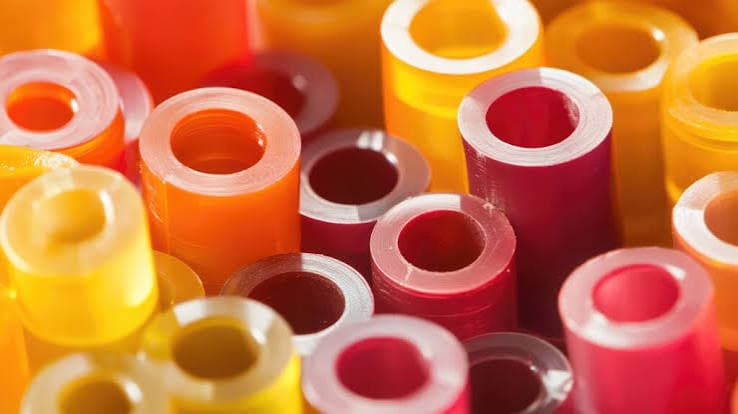
What Is TDI and Why Does It Matter for Flexible Foam Procurement?
Toluene diisocyanate (TDI) is the primary isocyanate used to manufacture flexible polyurethane foam for furniture, bedding, and automotive seating. Understanding how TDI is produced, how it differs from MDI, and what drives its demand helps procurement professionals make more informed sourcing and supplier decisions.
¡No te pierdas nuestras actualizaciones! Suscríbete ahora a nuestro boletín
Estamos comprometidos con tu privacidad. Tradeasia utiliza la información que proporcionas para contactarte sobre contenido, productos y servicios relevantes. Para más información, consulta nuestra política de privacidad.