Sustainable packaging continues to evolve as material science addresses one of the biggest limitations of polylactic acid (PLA). According to C&EN's latest reporting, researchers have demonstrated that an anhydride additive can significantly accelerate PLA degradation, potentially allowing the material to compost under typical home composting conditions instead of requiring industrial facilities.
For procurement professionals in the food packaging sector, this development represents more than a scientific breakthrough. If commercial production becomes viable, home compostable PLA could improve the practical sustainability of bio-based packaging while expanding its appeal in markets that lack industrial composting infrastructure. Buyers sourcing biopolymer packaging should understand how this technology may influence future purchasing decisions, supplier selection and product specifications.
Understanding PLA and Its Growing Role in Food Packaging
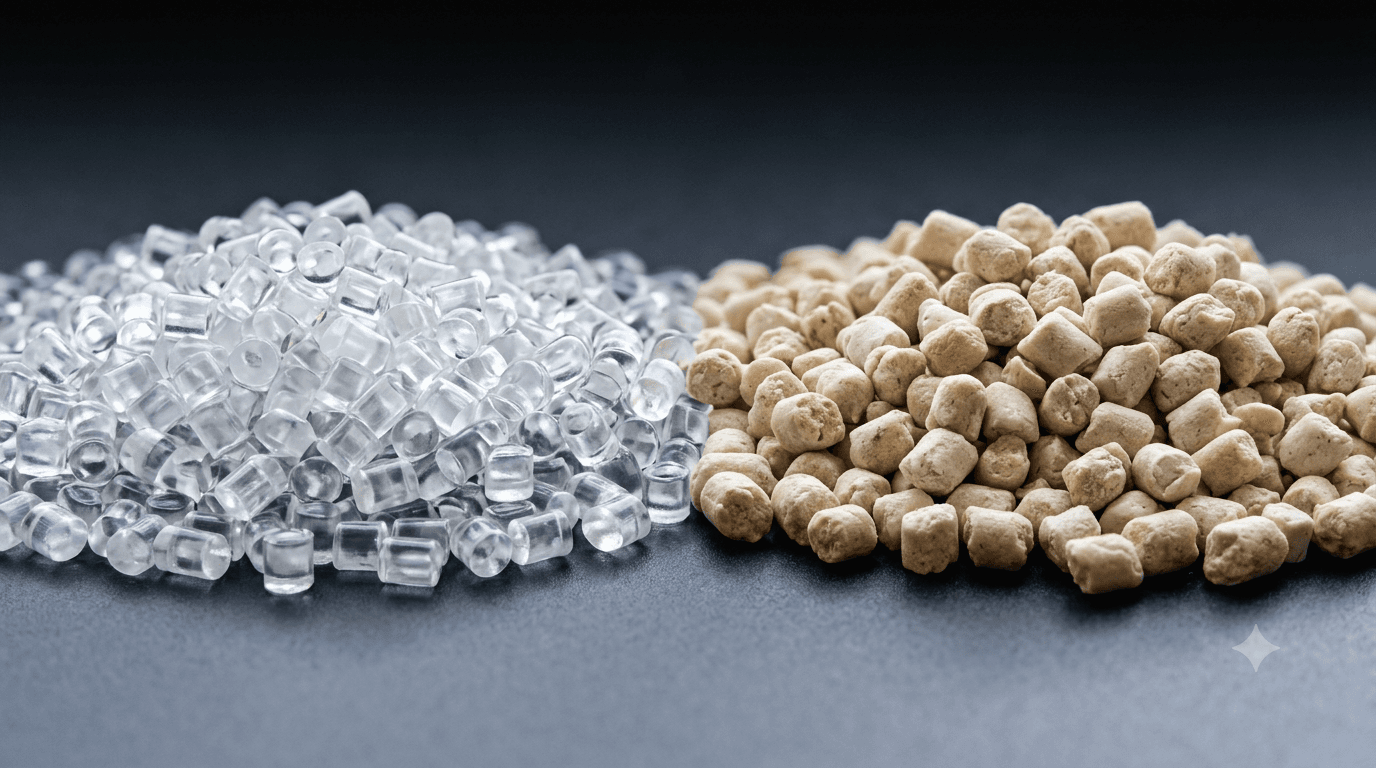
PLA has become one of the most widely used bio-based polymers in food packaging because it combines renewable raw materials with strong processing performance.
Manufacturers typically produce PLA from lactic acid obtained through the fermentation of renewable agricultural feedstocks such as corn starch or sugarcane. The resulting polymer serves numerous packaging applications where transparency, rigidity and food safety are essential.
Common applications include:
Disposable food containers and takeaway packaging.
Drinking cups and lids.
Fresh produce packaging.
Flexible packaging films.
Disposable cutlery and food service products.
Its renewable origin has helped PLA become an important material for companies seeking alternatives to conventional petroleum-based plastics.
Why Industrial Composting Has Limited PLA Adoption
Although PLA is marketed as a biodegradable material, its environmental performance depends heavily on disposal conditions.
Commercial PLA generally requires industrial composting facilities capable of maintaining temperatures above 55°C for extended periods. These controlled environments accelerate microbial activity and polymer breakdown, allowing the material to decompose efficiently.
Many countries, however, have limited industrial composting infrastructure. As a result, PLA packaging frequently enters landfill waste streams or conventional recycling systems where it does not deliver its intended environmental benefits.
This limitation has created challenges for procurement teams evaluating the real sustainability value of PLA packaging across different regional markets.
How the Anhydride Additive Changes the Equation
The research highlighted by C&EN focuses on incorporating an anhydride additive that accelerates the breakdown of PLA under less demanding composting conditions.
Instead of relying exclusively on industrial facilities, modified PLA could potentially degrade within home compost environments where temperatures remain considerably lower.
If commercial production confirms these laboratory findings, several advantages may emerge:
Improved compatibility with household composting systems.
Greater accessibility for regions lacking industrial composting infrastructure.
Better alignment between sustainability claims and real-world disposal practices.
Increased consumer confidence in biodegradable packaging solutions.
Enhanced environmental value throughout the packaging lifecycle.
For food packaging manufacturers, this innovation could significantly strengthen PLA's competitive position against both traditional plastics and other biodegradable materials.
Sustainability Claims Will Require Stronger Verification
As more packaging materials enter the market with biodegradable or compostable claims, verification will become increasingly important.
Procurement teams should distinguish between industrial compostability, home compostability and biodegradability, as these terms describe different performance standards. Misunderstanding these differences can lead to unrealistic sustainability expectations and compliance risks.
When evaluating suppliers, buyers should request documentation covering:
Compostability certification.
Material composition.
Food contact approvals.
Processing recommendations.
Shelf-life performance.
Disposal guidance.
Environmental testing results.
Clear technical documentation supports both regulatory compliance and customer communication.
Competitive Impact on Sustainable Packaging Markets
If anhydride-enhanced PLA reaches commercial production, it could strengthen PLA's competitive position among sustainable packaging materials.
Many organizations currently compare PLA with paper-based packaging, molded fiber, cellulose films and other bio-based polymers. The ability to compost under home conditions would remove one of PLA's most frequently cited limitations.
Potential market impacts include:
Increased demand for renewable packaging materials.
Greater investment in specialty polymer additives.
Expansion of bio-based packaging portfolios.
New opportunities for packaging converters.
Stronger adoption among food manufacturers pursuing circular economy goals.
For suppliers of PLA resin and related additives, commercialization could create new premium product categories while expanding market reach.
What Packaging Buyers Should Do Now
C&EN's reporting demonstrates how material innovation continues to improve the commercial potential of bio-based polymers. The development of an anhydride additive capable of accelerating PLA degradation under home composting conditions addresses one of the industry's most significant practical challenges.
Although further commercialization and large-scale validation remain necessary, the research signals a meaningful direction for sustainable packaging development. Procurement teams should begin monitoring supplier capabilities, certification programs and pilot-scale production as the technology progresses toward commercial availability.
Companies that prepare early will be better positioned to evaluate new packaging options, update sustainability strategies and respond quickly as home compostable PLA enters the market.
Ready to source PLA packaging materials from verified global suppliers? Explore competitive offers on our platform today.
Lactic Acid (E270) CAS: 50-21-5