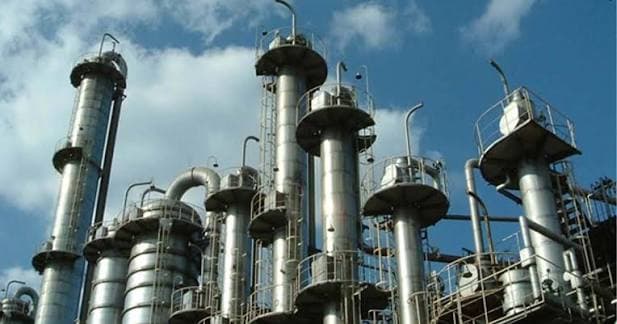

Benzene is one of the most important building-block chemicals in the global petrochemical industry. Although benzene itself has relatively few direct consumer applications, it serves as the starting material for numerous chemical value chains that ultimately produce plastics, synthetic fibres, detergents, polyurethane insulation, automotive components, engineering materials, pharmaceuticals, and consumer products. For procurement professionals, understanding benzene is valuable because it functions as a common upstream feedstock for several industries that may appear unrelated. A change in benzene supply, feedstock costs, or production capacity can simultaneously influence markets as diverse as packaging, textiles, furniture, automotive manufacturing, household cleaning products, and construction materials. Rather than viewing benzene as simply another commodity chemical, buyers should recognise it as a central hub from which multiple downstream industries originate. This explains why benzene market reports often have implications far beyond the petrochemical sector itself.
The benzene value chain branches into six major derivative pathways, each serving distinct industrial markets. One of the largest is Ethylbenzene, which is almost entirely converted into Styrene, the key raw material for polystyrene, expandable polystyrene (EPS), ABS plastics, and synthetic rubber. Another important derivative is Cumene, which is processed into Phenol and Acetone. These products support industries ranging from epoxy resins and polycarbonate plastics to solvents and pharmaceutical intermediates. Benzene is also hydrogenated to produce Cyclohexane, the starting material for Caprolactam and Adipic acid, both essential intermediates in the manufacture of nylon fibres and engineering plastics. Another pathway converts benzene into Nitrobenzene, which is subsequently reduced to Aniline. Aniline is then used extensively in the production of Methylene diphenyl diisocyanate, a key raw material for rigid polyurethane foams used in insulation, appliances, and construction. Finally, benzene is alkylated to produce Linear alkylbenzene (LAB), which is sulfonated to manufacture Linear alkylbenzene sulfonic acid, one of the world's most widely used surfactants in household and industrial detergents. Together, these six pathways illustrate how one aromatic feedstock supports an exceptionally broad range of industrial value chains.

The commercial importance of benzene lies in the fact that all of these downstream products compete for the same upstream raw material. When benzene prices increase because of refinery economics, feedstock costs, production outages, or regional supply constraints, the effect is rarely confined to a single derivative market. Manufacturers of styrene, phenol, acetone, nylon intermediates, MDI, and detergent surfactants all experience changes in raw material costs at roughly the same time, although the impact on finished product prices depends on individual market conditions and demand. Likewise, when benzene supply expands or feedstock costs decline, multiple downstream industries may benefit simultaneously from improved cost economics. Procurement professionals should therefore view benzene not as an isolated commodity but as a common cost driver shared across several structurally different manufacturing sectors. Monitoring benzene fundamentals can provide early insight into pricing trends that later emerge in plastics, coatings, polyurethane systems, detergents, synthetic fibres, and engineering materials.
For buyers, understanding these interconnected value chains strengthens procurement planning and supplier discussions. A furniture manufacturer purchasing polyurethane components, a textile producer sourcing nylon intermediates, a detergent manufacturer buying surfactants, and a packaging company using styrene-based plastics may appear to operate in unrelated industries, yet all are indirectly exposed to benzene market dynamics. Procurement teams that monitor only downstream product prices may overlook important upstream signals affecting future costs. Instead, following benzene supply, refinery operating rates, aromatics production, and major derivative demand sectors provides a broader perspective on market direction. This systems-based approach allows buyers to anticipate pricing movements earlier, evaluate supplier explanations more effectively, and build sourcing strategies that reflect the interconnected nature of modern petrochemical markets. Benzene demonstrates how a single upstream chemical can influence numerous global industries simultaneously, making it one of the most strategically important feedstocks for procurement professionals to understand.
Looking for petrochemical procurement intelligence or aromatics market insights? Understanding the benzene value chain helps buyers interpret price movements across plastics, polyurethane, detergents, nylon, and specialty chemical markets with greater confidence.
Carbon Black (N550) - India CAS: 1333-86-4