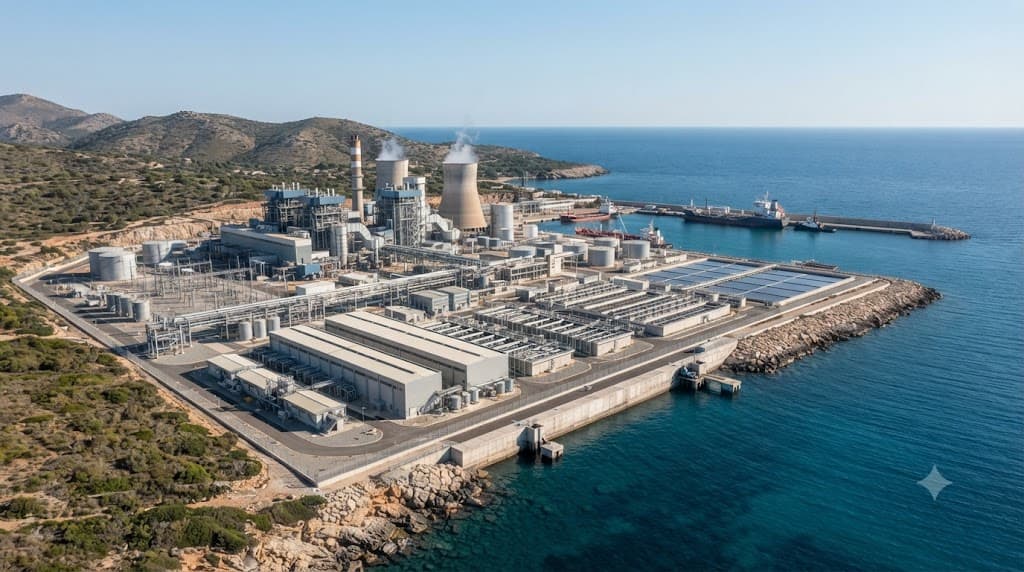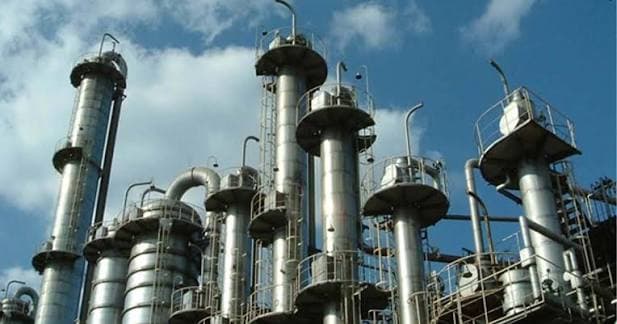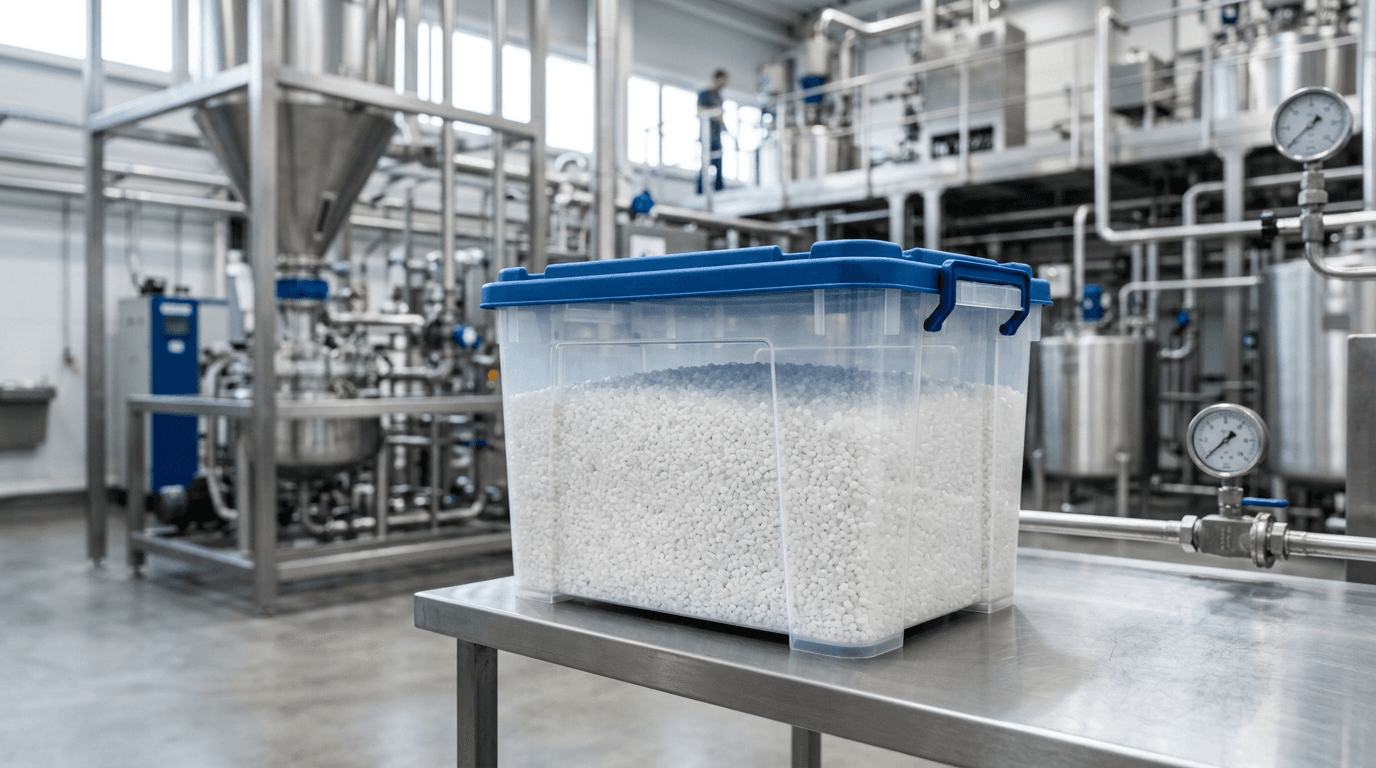

China's propane dehydrogenation sector is adding another major project to its large-scale propylene production base, with Clariant selected to supply CATOFIN catalyst and HGM for Zhejiang Petroleum & Chemical Co.'s 1.2 million tonne per year propane dehydrogenation unit. The project has been described as the world's largest licensed PDH unit, placing catalyst performance and supply continuity at the centre of a significant petrochemical investment.
For chemical traders, procurement managers and industrial buyers, the agreement highlights more than a technology award. It also shows how catalyst availability, plant scale and long-term supplier relationships can influence procurement strategies across the propylene value chain.
Clariant CATOFIN Technology Enters a Major Chinese PDH Project
Clariant's CATOFIN technology is designed for propane dehydrogenation, a process that converts propane into propylene. The technology uses a catalyst system to support the dehydrogenation reaction at industrial scale.
For a 1.2 Mtpa unit, the catalyst represents an important operating input rather than a routine consumable. The scale of the project means catalyst supply planning can become closely connected with production continuity, plant operating schedules and long-term procurement requirements.
The inclusion of HGM alongside CATOFIN catalyst also highlights the integrated nature of the technology package supplied for the project. For buyers, this means procurement considerations can extend beyond the catalyst itself to technical specifications, delivery planning and supplier support.
Why the 1.2 Mtpa PDH Capacity Matters
A propane dehydrogenation unit with annual capacity of 1.2 million tonnes represents substantial production scale. The project gives Zhejiang Petroleum & Chemical a major dedicated platform for converting propane into propylene.
Propylene serves as a key feedstock across the petrochemical industry. Its downstream applications include polypropylene and other products used throughout plastics and manufacturing supply chains.
The scale of this project can therefore have implications beyond the individual production site. A large PDH facility can influence demand for propane feedstock, catalyst materials, logistics services and downstream propylene processing.
For procurement teams, several factors deserve attention:
Catalyst continuity: Large production units require reliable catalyst availability to support planned operations and maintenance schedules.
Feedstock coordination: Propane sourcing and transportation need to align with the operating requirements of high-capacity PDH production.
Downstream integration: Increased propylene availability can affect procurement planning for polypropylene and other downstream petrochemical applications.
Supplier relationships: Long-term relationships with technology and catalyst providers can become strategically important when production assets operate at significant scale.
What CATOFIN Catalyst Supply Means for Buyers
The Clariant agreement demonstrates the importance of catalyst procurement within PDH operations. While catalyst represents only one part of a large petrochemical plant, its role in the production process makes supply planning particularly important.
Procurement teams supporting PDH operations need to consider technical compatibility, expected catalyst consumption and replenishment schedules. They also need to understand how catalyst supply arrangements fit into the plant's broader maintenance and production planning.
For chemical traders, this creates an opportunity to monitor catalyst-linked procurement requirements around new PDH capacity. New production projects can generate demand not only during initial commissioning but also through recurring operational requirements.
The relationship between technology licensing and catalyst supply can also shape the addressable supplier base. When a specific process technology requires a compatible catalyst system, buyers may have fewer practical sourcing alternatives than they would for a conventional commodity chemical.
China's PDH Expansion Strengthens the Propylene Supply Chain
China has developed substantial petrochemical capacity across multiple parts of the propylene value chain. PDH technology provides producers with a route to propylene based on propane feedstock rather than relying exclusively on conventional refinery or naphtha-based production pathways.
The development of large PDH units can therefore diversify the country's propylene production structure. It also connects international propane supply with domestic petrochemical manufacturing.
For traders and importers, this connection creates several procurement points to monitor:
Propane availability and international supply flows can influence operating economics for PDH producers.
New propylene capacity can alter regional requirements for downstream raw materials.
Catalyst and technology suppliers become part of the broader supply chain supporting new production assets.
Logistics providers may face increased requirements around feedstock movement, catalyst delivery and industrial equipment support.
The Zhejiang Petroleum & Chemical project illustrates how these individual procurement categories connect within a single large-scale petrochemical development.
Catalyst Procurement Requires More Than Price Comparison
Catalysts do not fit neatly into the same procurement model as high-volume commodity chemicals. Price remains relevant, but technical performance, compatibility and supply reliability can carry significant operational importance.
For a large PDH unit, procurement teams should assess the supplier relationship across several dimensions. A low purchase price may not provide the same value if supply interruptions create operational complications or if the material does not align with the licensed process requirements.
Buyers should therefore examine:
Technical specifications: Confirm that the catalyst meets the requirements of the relevant PDH technology and operating conditions.
Supply continuity: Review production capacity, delivery schedules and replenishment arrangements before committing to procurement volumes.
Logistics planning: Coordinate catalyst shipments with plant maintenance, commissioning and operating schedules.
Supplier support: Consider the technical assistance available alongside catalyst supply, particularly for large-scale facilities.
Long-term requirements: Assess future catalyst demand rather than treating the initial project order as an isolated transaction.
This approach can help procurement teams move from transactional purchasing toward supply planning aligned with plant operations.
Implications for Chemical Traders and Exporters
The project also provides a useful signal for chemical traders tracking China's petrochemical investment cycle. Large PDH projects can create demand across multiple categories, even when the headline agreement focuses on catalyst technology.
Traders can monitor opportunities associated with:
Propane feedstock logistics and related supply services.
Propylene downstream processing requirements.
Polymer and plastics manufacturing inputs.
Industrial equipment and maintenance materials.
Catalyst handling, storage and transportation services.
For exporters, project timing matters. Initial construction creates one type of procurement demand, commissioning creates another and ongoing production creates recurring requirements.
The CATOFIN supply agreement therefore illustrates why traders should track industrial capacity additions at the project level. Understanding which technology provider supports a facility can help identify specialized sourcing requirements that may not appear in conventional commodity market data.
What the Project Signals for Propylene Markets
A 1.2 Mtpa PDH unit adds substantial potential propylene production capacity to China's petrochemical system. The impact extends into downstream industries that depend on propylene-based intermediates and polymers.
For buyers, the most relevant issue is not simply the headline capacity figure. The broader consideration is how the new unit fits into China's existing production network and how additional propylene availability interacts with downstream demand.
Large integrated petrochemical projects can also change regional purchasing patterns. Buyers may need to reassess supplier locations, transportation routes and inventory strategies as new domestic production capacity becomes available.
At the same time, catalyst supply remains a specialized component of this expansion. The Clariant agreement demonstrates how technology providers can become long-term participants in the operational supply chain of major petrochemical assets.
Procurement Priorities as Large PDH Units Scale Up
The project highlights several practical priorities for procurement teams working with PDH-related supply chains.
First, buyers should map catalyst requirements against expected plant operating schedules. This can reduce the risk of emergency purchasing and allow procurement teams to plan deliveries around maintenance windows.
Second, teams should distinguish between commodity inputs and technology-specific materials. Catalyst procurement may require a different supplier qualification process than conventional bulk chemical purchasing.
Third, buyers should evaluate the entire logistics chain. Catalyst supply depends not only on production availability but also on packaging, transportation, delivery timing and site handling.
Finally, procurement managers should maintain visibility into downstream capacity additions. New propylene production can affect purchasing requirements across polypropylene and other related chemical value chains.
What Buyers Should Do Now
Clariant's CATOFIN catalyst supply agreement for Zhejiang Petroleum & Chemical's 1.2 Mtpa PDH unit highlights the growing importance of specialized catalyst supply within large-scale petrochemical production.
For chemical traders, importers and industrial buyers, the project offers a clear procurement signal. China's expanding PDH capacity can create requirements across feedstocks, catalysts, logistics and downstream propylene-based products.
Buyers monitoring this market should focus on supplier reliability, technical compatibility, delivery planning and future consumption requirements rather than evaluating catalyst procurement on price alone. The project also reinforces the value of tracking major petrochemical investments early, before their associated procurement demand reaches the open market.
Ready to source Propylene Oxide from verified global suppliers? Explore competitive offers on our platform today.
Propylene Oxide CAS: 75-56-9
Source links
https://chemxplore.com/news/clariant-catalysts-pdh-unit-contract