
Avantium Moves Closer to Commercial FDCA Production
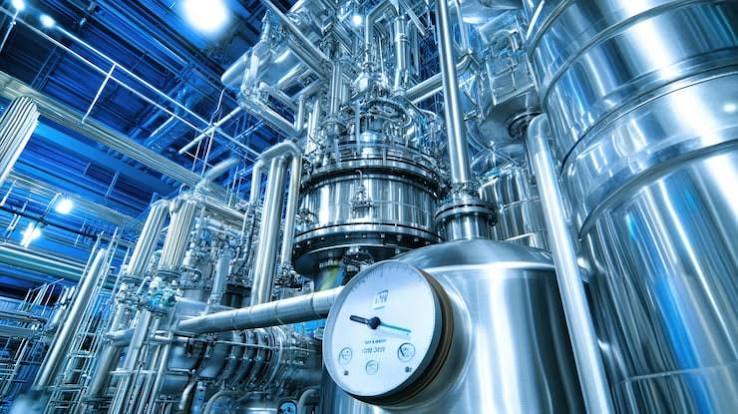
Avantium is moving into the final stages of start-up at its FDCA flagship plant in Delfzijl, Netherlands, bringing the renewable polymer building block closer to commercial production. The company completed commissioning of the purification unit on September 7, following earlier commissioning of the oxidation unit and other major process systems.
The plant targets its first FDCA batches before the end of 2026, followed by product qualification and commercial deliveries under existing offtake agreements. Avantium has also called an Extraordinary General Meeting for September 30, 2026, where shareholders will consider measures linked to a planned equity raise of at least €55 million and a proposed €20 million convertible loan from NOM.
For chemical buyers, the development connects renewable feedstocks, specialty chemical processing and sustainable polymer production. It also provides a useful signal for companies tracking future availability of FDCA and the wider supply chain for PEF.
FDCA Production Reaches a Critical Start-Up Stage
Avantium's Delfzijl facility represents a major transition from demonstration-scale technology toward commercial FDCA production. The company uses its YXY Technology to convert plant-based sugars into FDCA, or furandicarboxylic acid, a key building block for polyethylene furanoate, commonly known as PEF.
The start-up process has involved several interconnected production stages. Utility systems and the sugar dehydration unit started earlier, followed by successful commissioning of the oxidation unit and then the purification unit.
With the major process units commissioned, Avantium can focus on integrated start-up activities and production of the first FDCA batches. The company expects commercial deliveries to begin toward the end of 2026, subject to successful start-up and product qualification.
For procurement teams, this transition matters because commercial production changes the nature of FDCA sourcing. Buyers can move from evaluating emerging technology and future capacity toward assessing product specifications, qualification requirements, availability and long-term supply arrangements.
Why FDCA Matters to the PEF Supply Chain
FDCA provides the chemical foundation for PEF, a polymer positioned for applications where producers want renewable feedstocks and different performance characteristics from conventional PET-based materials. Avantium's YXY Technology converts plant-based sugars into FDCA, creating a route from renewable carbon feedstocks to polymer building blocks.
The commercialisation of FDCA therefore has implications beyond the chemical itself. Packaging producers, polymer manufacturers and brand owners need reliable access to consistent FDCA if they plan to expand PEF-based products.
A functioning commercial plant can also provide a reference point for future licensing. Avantium expects successful start-up and commercial-scale operation to support further development of its FDCA technology licensing activities.
This could eventually expand the number of FDCA production sites globally. More licensed facilities would create additional regional sourcing options and could broaden demand for related raw materials, process equipment and specialty chemical inputs.
The €55M+ Financing Package Supports the Next Phase
Plant commissioning represents only one part of Avantium's transition into commercial operations. The company is also seeking additional funding to support the extended start-up period, plant ramp-up and broader commercialisation activities.
Avantium intends to raise at least €55 million in equity capital during 2026. Alongside the equity component, the company is pursuing a proposed €20 million convertible loan from NOM, the Investment and Development Agency for the Northern Netherlands, acting on behalf of the Ministry of Economic Affairs and Climate and the Province of Groningen under the Strategic Acquisition program.
The proposed financing package responds to the company's funding requirements as it moves toward commercial operations. Avantium has previously reported that the extended start-up phase and associated remediation work increased capital requirements while delaying product and licensing revenues.
The September 30 EGM will seek shareholder approval for an increase in authorised share capital connected with the proposed equity raise, along with support for the proposed NOM convertible loan.
What the Funding Means for FDCA Buyers
For procurement teams, financing developments matter because commercial chemical supply depends on more than installed production equipment. A producer entering the market needs sufficient liquidity to complete commissioning, qualify products, maintain operations and build reliable commercial supply.
The funding package therefore supports the operational transition surrounding the Delfzijl plant. Buyers evaluating FDCA supply should monitor the company's progress from initial production through qualification and commercial deliveries.
Several factors deserve particular attention:
Production qualification: Initial batches need to meet the specifications required by downstream polymer producers and other customers.
Commercial availability: The timing of regular deliveries will influence purchasing plans for PEF manufacturers.
Supply agreements: Existing offtake commitments may shape the allocation of early commercial volumes.
Future capacity: Successful operation could support additional licensed FDCA plants and broaden future supply.
Technical consistency: Polymer producers require predictable feedstock quality to maintain downstream processing performance.
These considerations make supplier engagement particularly important during the transition from commissioning to commercial production.
Avantium's Offtake Pipeline Points to Downstream Demand
Avantium reported 22 FDCA and PEF offtake agreements by the first half of 2026, while capacity reservations for future licensed production facilities exceeded 150 kilotonnes of FDCA and PEF. The company also reported discussions with potential partners across Europe, Asia and North America.
This commercial pipeline provides an indication of the downstream interest surrounding the technology. Packaging companies and other polymer users need access to future PEF production if they intend to incorporate renewable or alternative polymer materials into their product portfolios.
For chemical traders, the development creates a potential new category to monitor alongside established polymer feedstocks. FDCA remains a specialised material, but increasing licensed production could eventually create more opportunities for regional distribution.
The geographic spread of Avantium's licensing discussions also matters. Production facilities in different regions could reduce dependence on a single manufacturing location and potentially create new import and export flows for FDCA and related polymer intermediates.
Commercial Scale Could Change the FDCA Trade Landscape
The Delfzijl facility gives Avantium an opportunity to demonstrate its technology at commercial scale. The company expects full design-capacity ramp-up to take approximately 24 months after start-up, meaning the initial production period will focus on gradual expansion rather than immediate maximum output.
For buyers, this creates a staged sourcing environment. Early volumes may require closer coordination between producers and customers, particularly where product qualification remains part of the purchasing process.
Over time, additional production capacity could change the commercial structure of the FDCA market. Licensed plants could bring production closer to major packaging and polymer manufacturing regions, reducing logistical barriers and creating more options for international buyers.
The development could also encourage more investment in downstream PEF processing. Greater confidence in FDCA availability can help polymer manufacturers evaluate longer-term production plans and commercial applications.
Renewable Feedstocks Create New Chemical Procurement Links
FDCA production through Avantium's YXY Technology starts with plant-based sugars. This creates a direct link between renewable feedstock markets and advanced polymer manufacturing.
For procurement teams, this means supply-chain analysis can extend upstream beyond conventional petrochemical inputs. Feedstock quality, availability and processing requirements can influence the economics and reliability of renewable chemical production.
The model also demonstrates how sustainable materials increasingly depend on integrated supply chains. Chemical producers, agricultural feedstock suppliers, polymer manufacturers and packaging companies may all become connected through a single material platform.
Traders entering this market should therefore consider both the chemical specification and the broader feedstock chain. Understanding where the raw materials originate and how they move through processing can help buyers evaluate supply continuity.
Procurement Priorities as FDCA Enters the Market
The move toward first commercial FDCA batches creates several practical priorities for chemical buyers. Companies that plan to use FDCA or PEF should begin aligning technical, commercial and logistics requirements before larger volumes become available.
Procurement teams should focus on:
Specification alignment: Confirm purity, quality parameters and downstream processing requirements before commercial purchasing.
Supplier qualification: Establish technical and quality approval procedures early, especially for polymer applications.
Volume planning: Separate initial qualification quantities from longer-term commercial requirements.
Delivery terms: Evaluate packaging, transport requirements, lead times and regional availability.
Supply diversification: Track future licensed facilities as potential alternative sources.
Contract structure: Consider how pricing, volumes and delivery schedules may change during the plant's ramp-up period.
These measures can help buyers prepare for a market that is moving from technology development toward commercial material supply.
Looking Ahead to 2027 and Beyond
Avantium's immediate priority remains successful start-up, first FDCA production and qualification of commercial material. The September financing process forms part of the company's broader transition toward commercial manufacturing and licensing.
If the Delfzijl plant progresses through start-up and ramp-up as planned, the facility could provide an important commercial reference for the wider deployment of FDCA production technology. That could support additional licensing discussions and create new regional production opportunities.
For chemical buyers, the key issue is supply development. As FDCA production moves toward commercial scale, procurement teams should track production milestones, customer qualification, capacity expansion and future licensed projects.
The emergence of commercial FDCA also gives traders an opportunity to follow a new renewable polymer value chain from sugar-based feedstocks through specialty chemical production and into PEF manufacturing.
Ready to source FDCA from verified global suppliers? Explore competitive offers on our platform today.
Polyethylene Terephthalate (PET) CAS: 25038-59-9
Source links
https://chemxplore.com/news/avantium-fdca-flagship-plant-update