


Ferrous Sulphate Heptahydrate (Recycled) - China CAS: 7782-63-0


Safer organolithium reagent formulations are reshaping the landscape of food-contact chemical synthesis. By enhancing reagent stability and reducing handling hazards, manufacturers can produce high‑quality packaging materials with greater confidence and consistency. This article explores the science behind the safety improvements and the practical benefits for the specialty chemicals industry.

Specialty chemical R&D centers are merging hydrogenated nitrile butadiene rubber (HNBR) development with battery chemistry, creating a new frontier for polymer science and advanced materials. This trend broadens the scope of research labs, blending rubber compounding and battery manufacturing into a single innovation ecosystem. The result: faster, more versatile solutions for the next generation of energy storage and durable polymers.
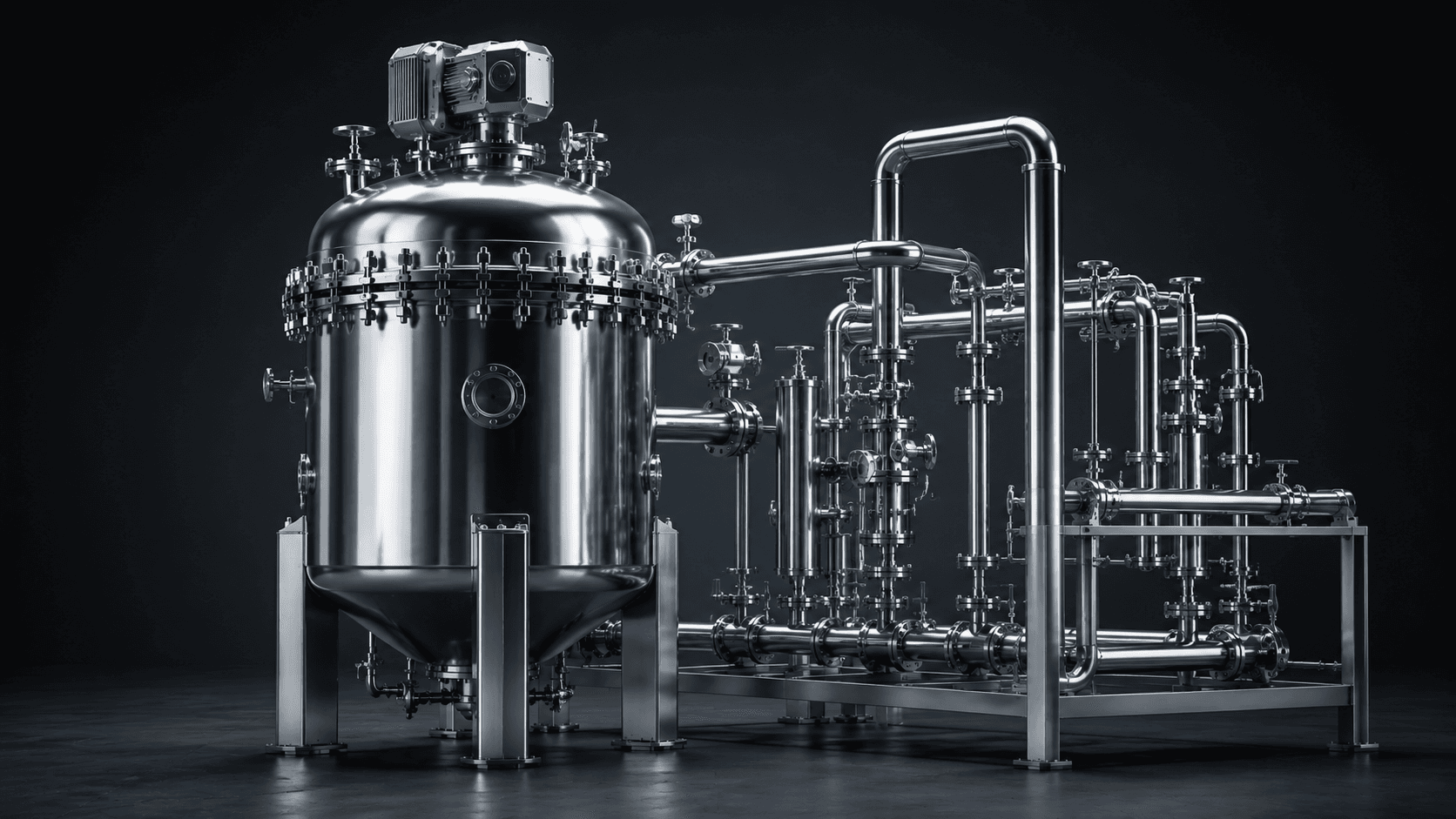
Mass balance accounting plays a central role in chemical recycling under the PPWR. Understand how recycled content claims work, why traceability matters and what procurement teams should evaluate when sourcing circular materials.
Chemical recycling capacity is expanding across Europe and Asia, but announced plant capacity does not automatically equal procurement-ready pyrolysis oil. Buyers should compare certified, specification-compliant supply with actual cracker co-processing capability before committing to H2 2026 recycled-feedstock volumes.
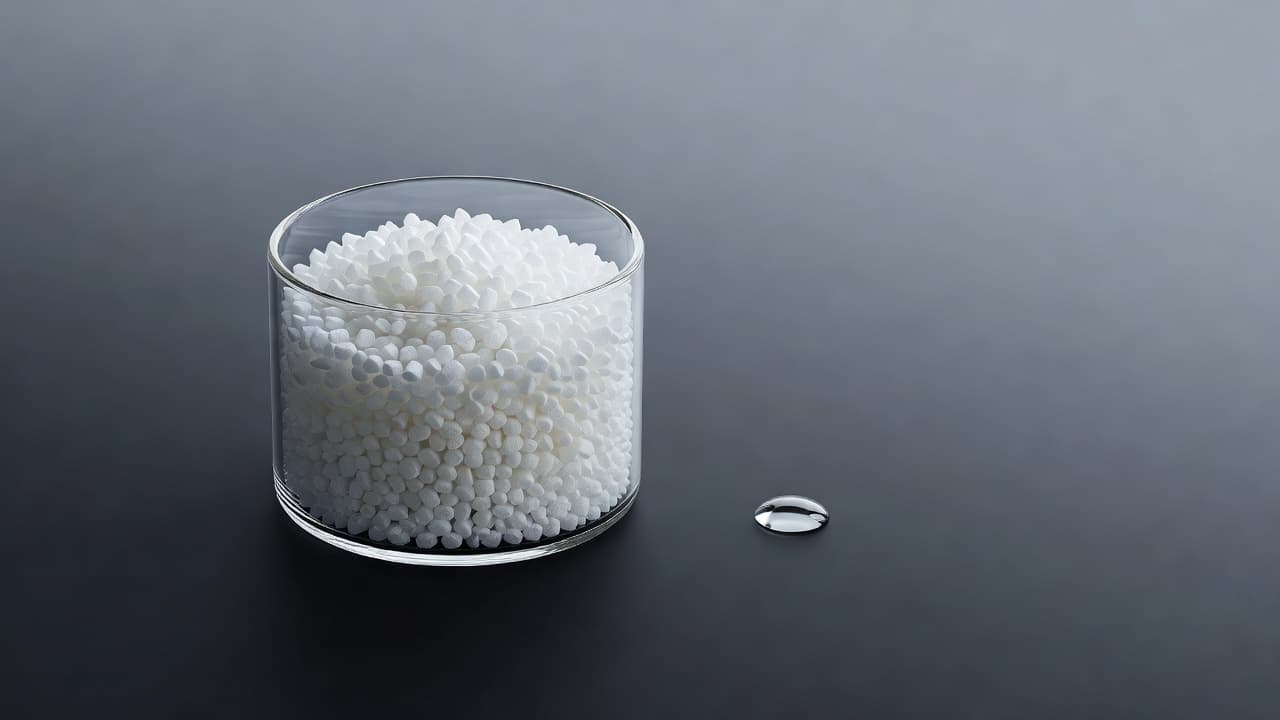
Successful industrial manufacturing trials are accelerating confidence in bio-based superabsorbent polymers for hygiene products. Procurement teams should begin preparing for a market where renewable absorbent materials become commercially viable alternatives.
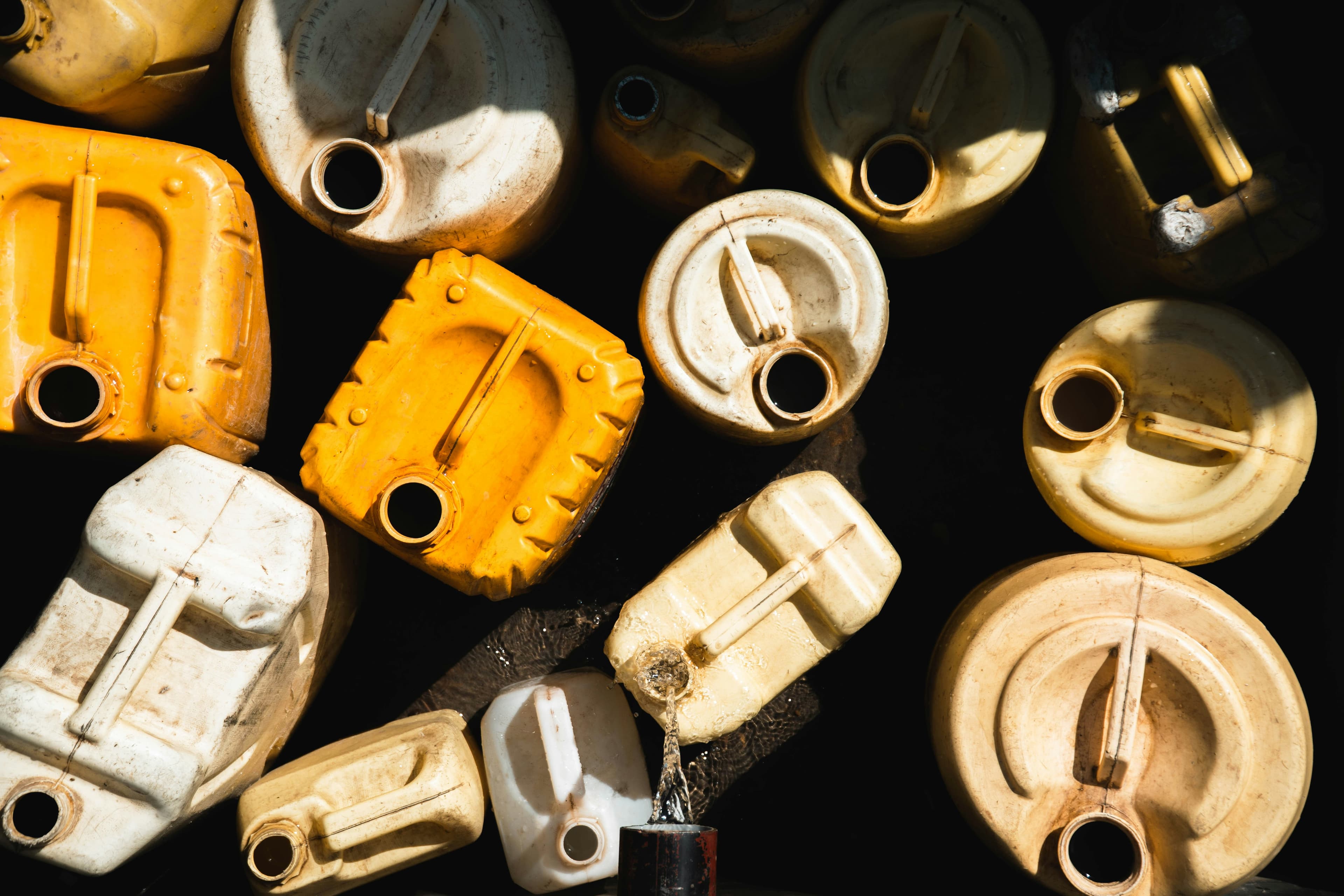
ExxonMobil's $200 million investment in additional pyrolysis-based plastics recycling at Baytown and Beaumont
We're committed to your privacy. Tradeasia uses the information you provide to us to contact you about our relevant content, products, and services. For more information, check out our privacy policy.