
Related Insights

Global Chemical Trade Routes 2026: How Geopolitics Is Changing Sourcing Strategies
Global chemical trade routes are being reshaped by geopolitical tensions, shipping disruptions, tariffs and changing supply patterns in 2026. For chemical buyers, route diversification and supplier flexibility are becoming increasingly important to manage delivery costs and supply risks.
Chemical Recycling vs Mechanical Recycling in 2026: What Counts Toward Recycled-Content Targets
Recycled-content targets in 2026 won’t be decided by marketing language—they’ll be decided by accounting rules, verification, and audit-proof documentation.
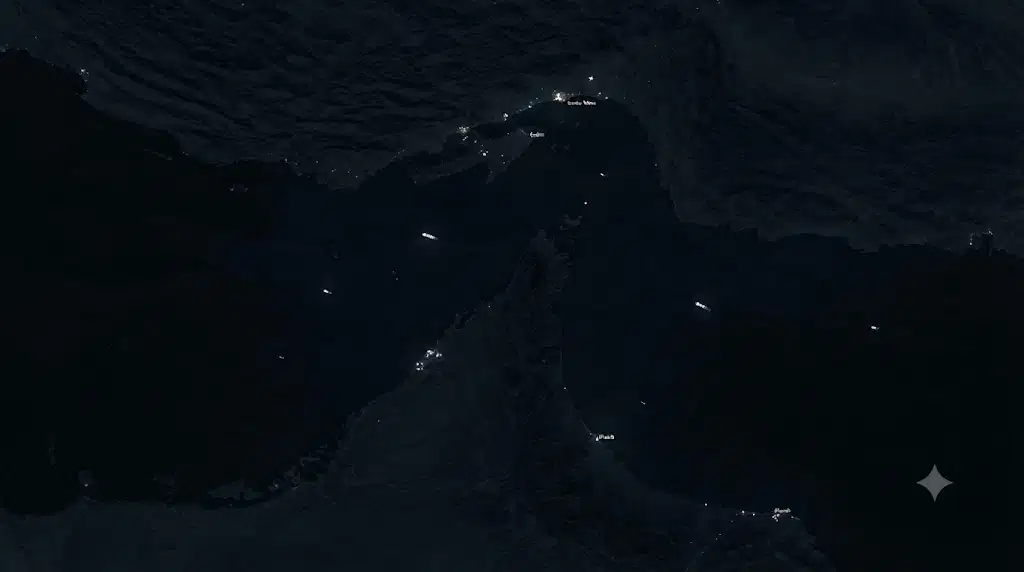
Hormuz Traffic Craters Again: Just 6 to 9 Vessels a Day, Down From 130
Maritime intelligence platform Windward tracked just six vessels crossing Hormuz in one 12-hour window and nine in another, compared with 18-22 daily crossings earlier this month and roughly 130 vessels a day before the war. For chemical and energy buyers, this collapse in traffic signals severe supply chain disruption across crude, LNG, petrochemicals and co-products.

Renewed Hormuz Blockade Reignites Commodity Chemical Feedstock Risk
President Trump announced the US would reimpose its blockade of the Strait of Hormuz starting July 14 and charge a 20% fee on cargo shipped through the waterway, sending Brent crude up 9.5% to above $83 a barrel. For petrochemical procurement teams, the move threatens naphtha, LPG and ethane flows that underpin global polymer supply chains.
Saab's Record Backlog Ranks Among 2026's Strongest Defense-Adjacent Demand Signals
Saab's backlog has reached 317.7 billion Swedish crowns after a fifth consecutive quarter of order book growth. The record backlog provides chemical traders and procurement teams with a significant demand signal for advanced manufacturing materials, coatings, polymers and other defense-adjacent supply chains.
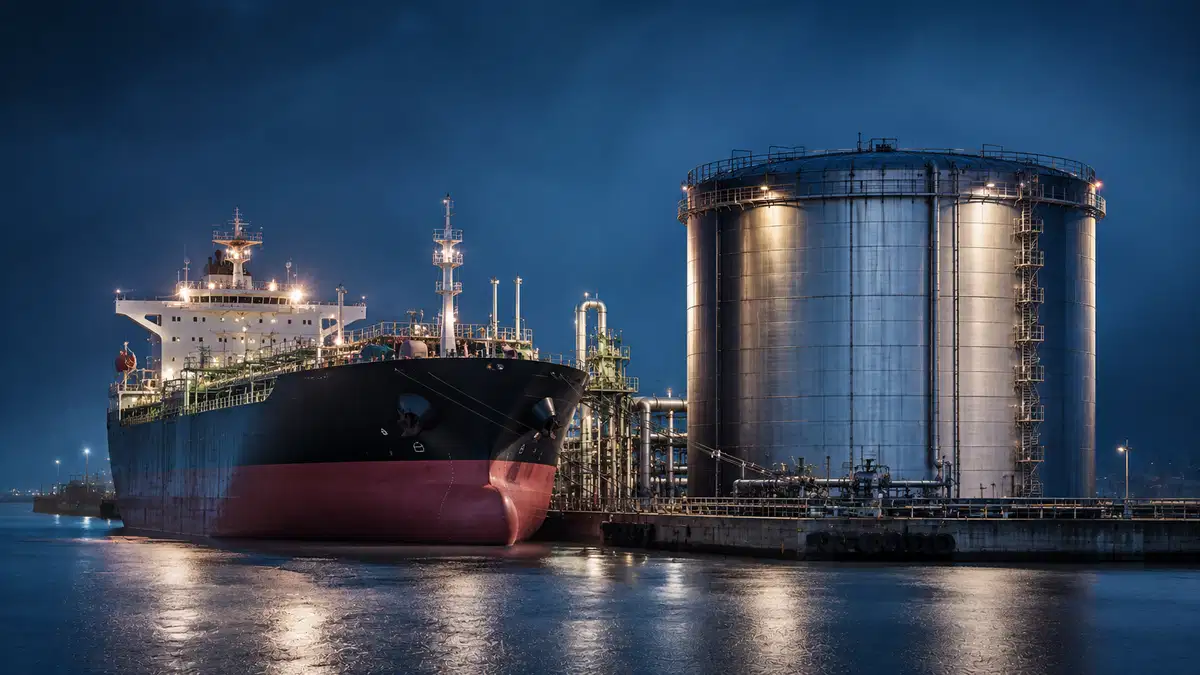
US Weighs a 20% Hormuz Toll: What It Would Do to Landed Petrochemical Costs
A proposed 20% fee on cargo moving through the Strait of Hormuz could reshape landed petrochemical costs, freight economics and sourcing decisions. Here is what chemical buyers need to watch as Gulf trade faces a new cost pressure.
Don't miss out on our updates! Subscribe to our newsletter now
We're committed to your privacy. Tradeasia uses the information you provide to us to contact you about our relevant content, products, and services. For more information, check out our privacy policy.