
Citrus Pulp CAS: 94266-47-4
Citrus Pulp CAS: 94266-47-4
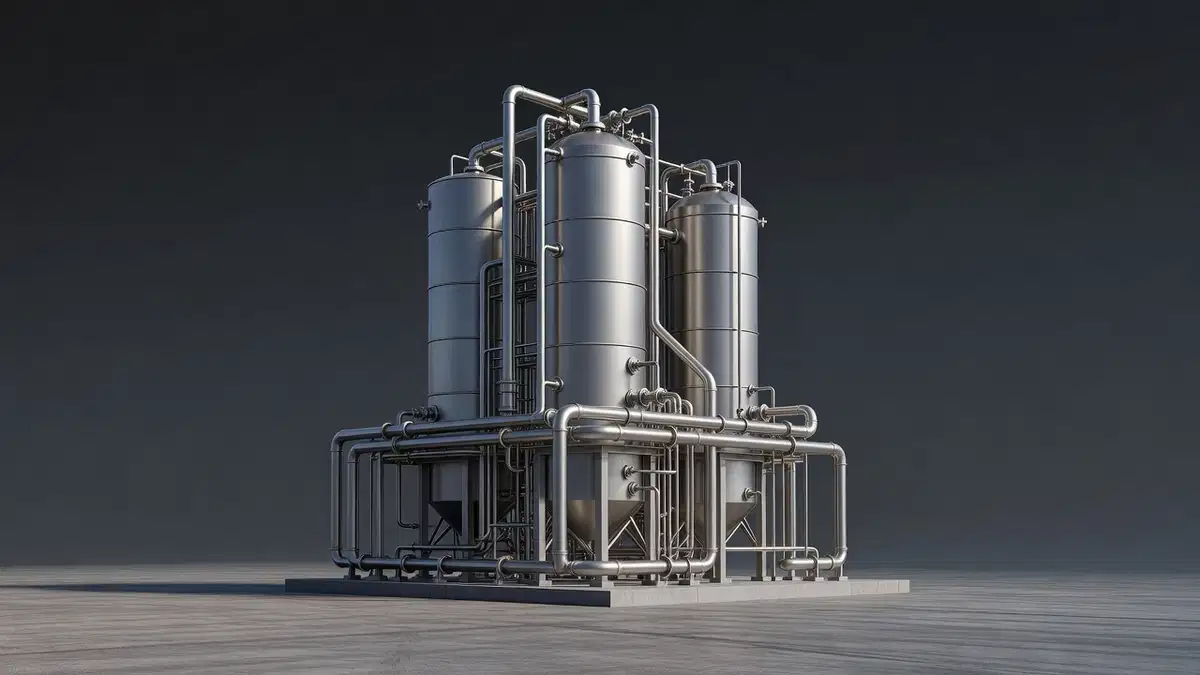
Construction has begun on a 450,000-tonne polypropylene plant at the Xinjiang Shaneng Wucaiwan project, reinforcing China's long-term capacity expansion strategy. Procurement teams should evaluate how additional domestic production could reshape regional polymer supply and international trade flows.

Harrison Jacoby, director of PE at ICIS, confirmed in IOM3's March 2026 reporting that around 84% of Middle East

South Korea enters H2 2026 with the formal wind-down of force majeure declarations across its petrochemical sector. As producers and buyers negotiate contract reinstatements, legal interpretation and commercial strategy are becoming as important as recovering production volumes.
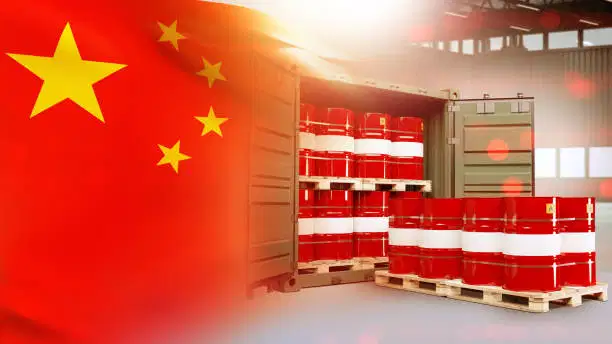
China’s urea export limits and aggressive methanol-to-olefins (MTO) rates set the stage for 2026 chemical flows. July pricing decisions will reveal whether China will defend its crisis‑era share or recalibrate toward market balance. Global buyers must watch China’s export strategy closely.

The 2026 Hormuz crisis disrupted global chemical trade, but created major commercial winners. From OCP Morocco and Nutrien to Wanhua Chemical and US exporters, H1 2026 proved that supply chain disruption often shifts value rather than destroying it.
China’s expanding domestic petrochemical capacity helped replace Gulf PTA and paraxylene supply during recent disruptions. As Gulf exports begin returning, PTA buyers need to assess how new competition could affect pricing and sourcing strategies.
We're committed to your privacy. Tradeasia uses the information you provide to us to contact you about our relevant content, products, and services. For more information, check out our privacy policy.