1. Introduction: Why Isopropyl Alcohol Matters in LLDPE Processing
Isopropyl Alcohol (IPA) has become increasingly valuable across the plastic industry, especially in applications involving Linear Low-Density Polyethylene (LLDPE). Its cleaning efficiency, no-residue evaporation, and compatibility with polyethylene make it indispensable in high-precision manufacturing. As plastic packaging continues to evolve toward cleaner and higher-quality outputs, IPA is used extensively to stabilize both the hygiene and surface conditions of LLDPE films. This aligns with global industry insights highlighted by authoritative bodies such as PlasticsEurope, which outlines the strict standards required for polymer hygiene and surface purity in modern packaging materials.
In the flexible packaging sector, LLDPE plays a major role due to its durability, clarity, and stretch properties. However, these properties can be compromised by surface contaminants or equipment residue. IPA helps prevent such issues by ensuring the polymer surface remains clean and optimized for printing and lamination. This connection supports the overall goal of improving processing efficiency while maintaining material integrity, as emphasized by the Plastics Industry Association.
As processors demand higher-quality LLDPE products, the value of IPA in preparation, cleaning, and surface enhancement becomes crucial. To explore high-quality LLDPE material options, visit: Our LLDPE product page.
2. How IPA Enhances LLDPE Film Surface Quality
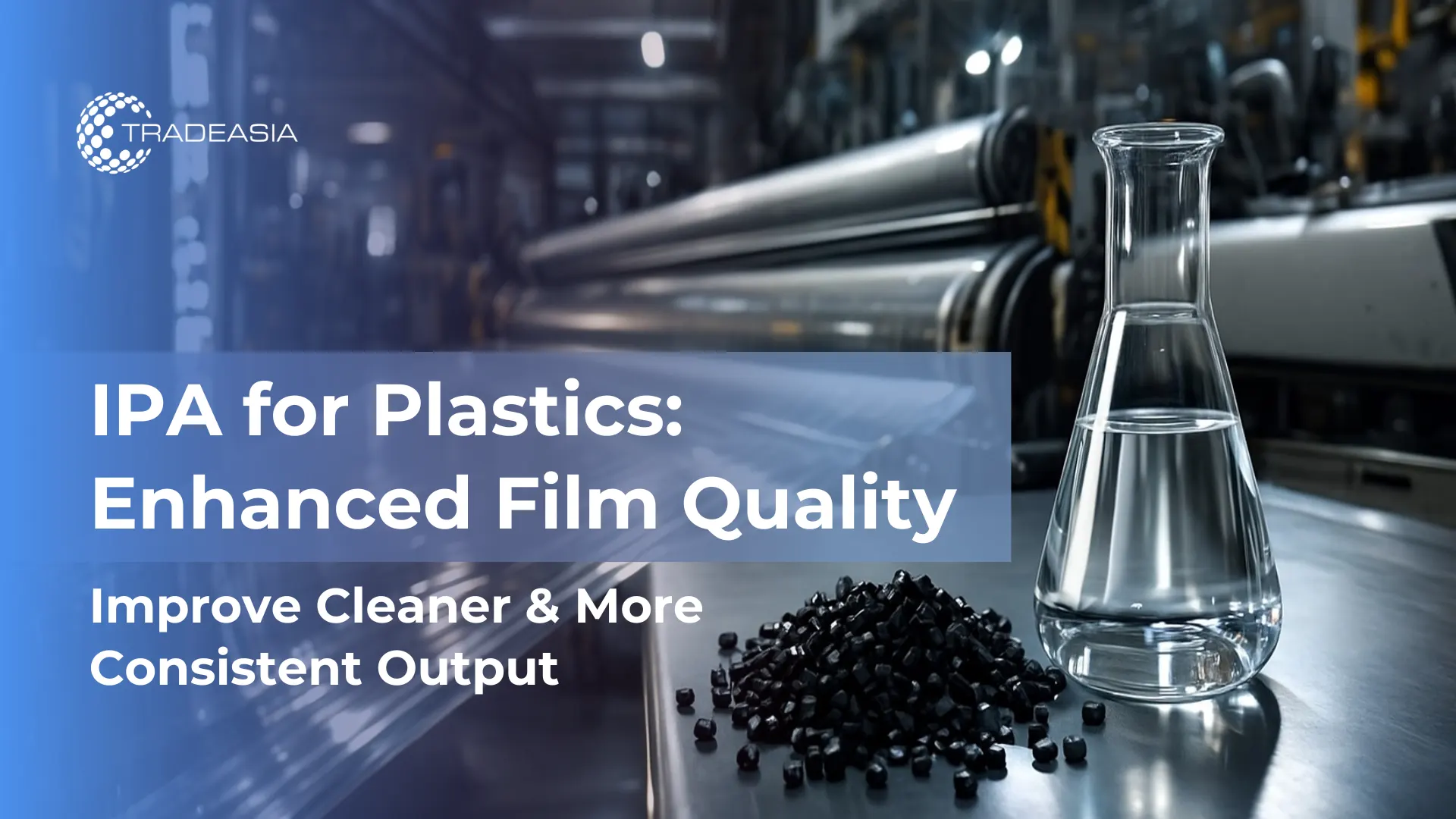
LLDPE films are known for their low surface energy, which makes printing, coating, and laminating more challenging. The use of Isopropyl Alcohol in the plastic industry has proven effective in enhancing surface wettability, improving adhesion performance significantly. When IPA is applied to LLDPE films, it removes impurities that hinder ink bonding, enabling sharper, more durable print results.
This cleaning action is particularly important for flexible packaging converters who rely on flexographic or rotogravure printing. Any contaminant — even microscopic dust — can result in ink gaps, smearing, or inconsistent print patterns. IPA ensures the film's surface is prepared to meet printing standards, reducing wastage and improving production efficiency.
Manufacturers may refer to ScienceDirect’s database to understand IPA’s solvent characteristics and how it interacts (or doesn’t interact) with polyethylene.
Furthermore, IPA promotes more consistent lamination by preventing delamination caused by trapped contamination. By removing residues from die lips or film rollers, IPA indirectly ensures that each surface layer bonds properly with adhesives and coatings. This leads to stronger multi-layer structures and longer-lasting packaging materials.
For industrial-grade IPA sourcing, you can explore high-purity Isopropyl Alcohol suitable for plastic applications here: China origin or Taiwan origin.
3. Role of IPA in LLDPE Extrusion Line Cleaning and Efficiency
Extrusion lines used for LLDPE film production require regular cleaning to prevent defects caused by polymer buildup. Over time, residues can accumulate on dies, rollers, and cooling systems, affecting film thickness, gloss, and clarity. Isopropyl Alcohol is widely used as a non-corrosive, fast-evaporating cleaner that helps maintain extrusion equipment in optimal condition.
Unlike harsh chemical agents, IPA does not damage metal surfaces or polymer-contact components. Operators use IPA during changeovers or maintenance to wipe down die surfaces and remove carbonized residues. Because it evaporates quickly, the equipment can be restarted almost immediately, minimizing downtime and improving productivity.
In addition to equipment cleaning, IPA helps reduce contaminants that cause melt fractures or surface blemishes. Clean extrusion lines mean cleaner films, more consistent melt flow, and fewer defects. This directly contributes to higher-quality LLDPE output — especially essential in high-speed cast film production lines. For documentation on solvent-assisted cleaning best practices, manufacturers can refer to polymers research and industrial guidelines shared by the American Chemistry Council (ACC).
Manufacturers looking to optimize extrusion performance often integrate IPA-based cleaning protocols as part of their standard workflow. Technical support and documentation for such industrial practices can be accessed through Plastradeasia’s resource center.
4. IPA in LLDPE Packaging Applications and Hygiene Compliance
In industries such as food packaging and medical packaging, hygiene is a top priority. Isopropyl Alcohol is widely used to sanitize LLDPE surfaces before printing or sealing to ensure that no microbial or organic contaminants remain. Since IPA breaks down into harmless residue-free components, it is safe for materials that come into indirect contact with food or healthcare products.
LLDPE packaging films used for pharmaceutical wraps, fresh produce, frozen food packs, and sanitary products often undergo IPA cleaning before printing or conversion. This ensures that the packaging meets industry hygiene standards and remains suitable for sensitive applications. IPA’s compatibility with polyethylene ensures no chemical attack or deformation occurs during cleaning.
Additionally, IPA can help maintain surface clarity by removing oxidation layers or small organic deposits. This keeps transparent LLDPE films clear and visually appealing. Many converters rely on IPA wiping systems integrated with automated surface treatment equipment for consistency and hygiene assurance.
5. Isopropyl Alcohol for LLDPE Recycling and Decontamination
Recycling LLDPE involves cleaning flakes to remove oils, adhesives, and post-consumer residue. IPA plays an important role in decontamination processes due to its ability to dissolve organic impurities without affecting polyethylene structure. This advantage allows recyclers to achieve cleaner, higher-purity LLDPE recyclate.
In washing lines, IPA is sometimes used as a finishing rinse to improve clarity and remove stubborn residues that water-based washing systems may not remove. This results in recycled LLDPE pellets that are suitable for higher-value applications, including film extrusion and consumer product packaging. Clean recyclates also lead to better extrusion performance, fewer black spots, and improved melt uniformity.
Research shows that IPA-based cleaning systems enhance odor reduction in recycled LLDPE — a key challenge for recyclers handling post-consumer waste. As sustainable practices grow, recyclers increasingly look to solvents like IPA to improve the quality of recovered materials.
If you are looking for solvent options for recycling or cleaning lines, Chemtradeasia supplies various grades of industrial Isopropyl Alcohol suitable for solvent-cleaning operations: IPA China Origin.
6. Industrial Benefits and Market Demand for IPA in Plastics
Demand for Isopropyl Alcohol in the plastic industry has increased due to the rise of flexible packaging, hygiene compliance, and high-resolution printing requirements. Converters working with linear low-density polyethylene (LLDPE) rely heavily on IPA for cleaning, surface preparation, and quality inspection. This makes IPA a critical companion chemical for LLDPE manufacturers and converters.
IPA contributes to higher line efficiency, reduced downtime, and improved visual quality in LLDPE products. As packaging shifts toward premium finishes — such as glossy transparent films or high-density printing — the need for clean surfaces becomes more important. IPA offers a reliable solution for maintaining these standards.
Market reports indicate growing IPA consumption across packaging hubs like China, Indonesia, and India, driven by rising plastic processing volumes. Packaging converters prefer IPA due to its low toxicity, ease of use, and operational safety. As flexible packaging demand increases, IPA usage in PP, PE, and LLDPE processing lines is expected to grow further.
7. Why Manufacturers Choose Plastradeasia for LLDPE & IPA
Plastradeasia serves as a trusted linear low-density polyethylene supplier, offering high-quality grades suitable for film extrusion, packaging, and industrial applications. Manufacturers value the platform’s global sourcing capabilities and reliable material availability, especially in fast-demand sectors like flexible packaging.
Beyond raw polymer supply, Plastradeasia supports customers by connecting them to complementary chemicals such as Isopropyl Alcohol, ensuring that both resin and processing needs are met efficiently. This integrated supply approach helps plastic converters consolidate procurement, improve production consistency, and reduce operational complexities.
The company also offers access to documentation, technical data sheets, and up-to-date industry information through its download center. This ensures that processing engineers and procurement teams have the technical knowledge required for precise operation. IPA users benefit from consistent quality, packaging options, and stable supply managed by an experienced chemical distributor.
8. Conclusion: The Future of IPA-Assisted LLDPE Production
Isopropyl Alcohol continues to play a valuable role in improving LLDPE output quality across cleaning, preparation, hygiene, and recycling functions. Its compatibility with polyethylene, fast evaporation, and strong dissolving power make it an essential tool for plastic manufacturers and packaging converters. As market expectations grow for cleaner, sharper, and more reliable LLDPE products, the use of IPA is likely to expand further.
Manufacturers aiming to optimize extrusion performance, ensure strong adhesion in print and lamination, or enhance recycling quality will find IPA to be a practical and cost-effective solution. With rising demand in Asia and global packaging markets, integrating IPA into LLDPE workflows offers both operational and commercial benefits.
For procurement, technical support, or integrated sourcing of Isopropyl Alcohol and LLDPE, Plastradeasia provides a reliable platform with global reach and industry experience. Access all product resources via our technical document page.
For requesting a quote or discuss technical specifications for either LLDPE or Isopropyl Alcohol, you can reach the Plastradeasia team directly: Contact our team.

Leave a Comment