

Benzene, Toluene, and Xylene: The Aromatics Triangle and Why These Three Chemicals Move Together
Introduction
Benzene, toluene, and xylene—collectively known as the BTX aromatics—form the foundation of the global aromatics value chain. These three petrochemicals are indispensable feedstocks for producing plastics, synthetic fibers, resins, coatings, pharmaceuticals, detergents, and numerous specialty chemicals.
Although each chemical has its own end-use markets, they are closely interconnected through production processes, feedstock economics, and downstream demand. As a result, changes in the supply or demand of one aromatic often influence the pricing and availability of the others. This close relationship is why industry professionals frequently refer to them as the "Aromatics Triangle."
For procurement professionals, understanding how benzene, toluene, and xylene move together is essential for anticipating market trends, managing supply risks, and making informed sourcing decisions.
What Are BTX Aromatics?
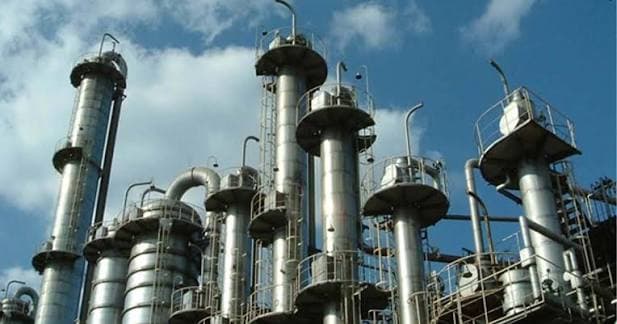
BTX refers to three aromatic hydrocarbons produced primarily during petroleum refining and steam cracking operations.
Benzene
Benzene is one of the most important industrial chemicals and serves as a feedstock for manufacturing:
Styrene
Phenol
Cyclohexane
Aniline
Synthetic rubber
Nylon intermediates
Pharmaceutical intermediates
Its demand is heavily influenced by the automotive, packaging, and chemical industries.
Toluene
Toluene is valued both as a solvent and as a chemical intermediate. It is commonly used in:
Paints and coatings
Adhesives
Printing inks
Explosives
Pharmaceutical synthesis
Fuel blending
It can also be converted into benzene or xylene depending on market demand.
Xylene
Xylene exists in several isomeric forms, with para-xylene being the most commercially significant. It is primarily used to manufacture:
Purified terephthalic acid (PTA)
Polyester fibers
PET bottles
Packaging materials
Industrial films
Synthetic textiles
The global polyester industry is the largest driver of para-xylene demand.
Why They Are Called the Aromatics Triangle
Benzene, toluene, and xylene are interconnected because they originate from similar refining and petrochemical processes and can often be converted into one another through catalytic processing.
Their relationship is influenced by:
Common feedstocks
Integrated refinery operations
Shared production units
Downstream chemical demand
Refinery operating rates
Petrochemical economics
When market conditions change for one aromatic, producers may adjust production to maximize profitability, influencing the availability of the other two.
What Causes BTX Prices to Move Together?
Although each product has its own supply-demand balance, several common factors affect the entire aromatics market.
Crude Oil Prices
Since BTX products originate from petroleum feedstocks, fluctuations in crude oil prices directly influence production costs.
Refinery Operating Rates
Changes in refinery utilization affect the availability of aromatic feedstocks entering the chemical market.
Steam Cracker Production
Ethylene production through steam cracking also generates aromatics, linking BTX supply with broader petrochemical production.
Manufacturing Demand
Growth in industries such as automotive, packaging, construction, textiles, and consumer goods increases demand across multiple aromatic derivatives.
Regional Supply Disruptions
Plant maintenance, unplanned shutdowns, transportation delays, or export restrictions can tighten supply and influence prices throughout the BTX market.
Major Downstream Industries That Depend on BTX
The aromatics value chain supports numerous manufacturing sectors.
Pharmaceuticals
Benzene and toluene derivatives are widely used in the synthesis of active pharmaceutical ingredients (APIs) and specialty chemicals.
Plastics
BTX chemicals contribute to the production of polystyrene, engineering plastics, and various polymer materials.
Polyester Manufacturing
Para-xylene is an essential feedstock for producing polyester fibers and PET packaging.
Construction
Resins, coatings, insulation materials, and adhesives all rely on aromatic chemical intermediates.
Automotive
Synthetic rubber, plastics, coatings, and engineered materials depend heavily on BTX-derived chemicals.
Procurement Considerations
Understanding the relationship between benzene, toluene, and xylene enables procurement teams to make more strategic sourcing decisions.
Monitor the Entire Aromatics Market
Tracking only one chemical may provide an incomplete picture. Procurement professionals should monitor pricing and production trends across the entire BTX complex.
Diversify Supplier Networks
Working with suppliers in multiple regions helps reduce the impact of localized production disruptions.
Track Feedstock Economics
Changes in crude oil, naphtha, and refinery margins often influence BTX pricing before downstream markets react.
Strengthen Forecasting
Integrating market intelligence into procurement planning allows organizations to anticipate supply changes and optimize purchasing schedules.
Build Long-Term Supplier Partnerships
Collaborative supplier relationships improve supply reliability and create greater flexibility during periods of market volatility.
Emerging Market Trends
Several long-term developments are shaping the future of the aromatics industry.
Key trends include:
Expansion of integrated refining and petrochemical complexes
Increased production capacity in Asia and the Middle East
Greater investment in sustainable chemical manufacturing
Growth in recycled PET production
Improved energy efficiency across refining operations
Increased use of digital procurement and market intelligence platforms
These trends are expected to influence global BTX trade and pricing over the coming years.
Conclusion
Benzene, toluene, and xylene are far more than individual petrochemicals—they form an interconnected aromatics ecosystem that underpins a wide range of industrial supply chains. Their shared production pathways, common feedstocks, and interconnected downstream markets explain why they often move together in response to shifts in global supply and demand.
For procurement professionals, understanding the dynamics of the Aromatics Triangle is essential for effective sourcing, cost management, and risk mitigation. By monitoring market trends, diversifying suppliers, and adopting data-driven procurement strategies, organizations can better navigate market volatility and secure reliable access to these critical petrochemical feedstocks.
Benzoic Acid (E210) CAS: 65-85-0