Oxo alcohols are an important family of industrial chemicals used as intermediates in coatings, plasticisers, adhesives, solvents, acrylates, and numerous specialty chemical products. Although procurement professionals frequently purchase products such as n-Butanol, Isobutanol, 2-Ethylhexanol (2-EH), or Isononanol, these materials are all connected through a common manufacturing technology known as the oxo process, or hydroformylation. Understanding this production route helps explain why several seemingly unrelated chemical markets often experience similar pricing trends and why feedstock movements in the petrochemical sector influence the cost of coatings, flexible PVC, adhesives, and specialty polymers. Rather than viewing oxo alcohols as separate commodities, procurement professionals benefit from understanding the shared chemistry that links their production and economics.
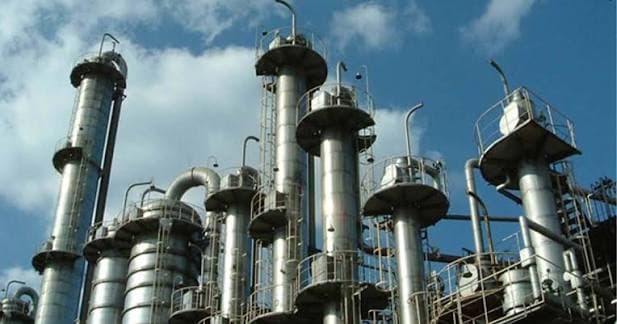
The oxo process begins with olefins, which react with synthesis gas—a mixture of Carbon monoxide and Hydrogen—in the presence of highly selective rhodium or cobalt catalysts. During this hydroformylation reaction, the olefin molecule is converted into an aldehyde containing one additional carbon atom. The aldehyde is then hydrogenated to produce the corresponding alcohol. This two-stage sequence forms the foundation of commercial oxo alcohol production worldwide. Different olefin feedstocks produce different alcohols. Propylene is converted into aldehydes that are subsequently hydrogenated to produce n-butanol and isobutanol, both of which are widely used as solvents, coating intermediates, and raw materials for plasticisers and other downstream chemicals. Additional processing of these intermediates leads to 2-ethylhexanol, one of the world's most important oxo alcohols, while higher olefins are converted into isononanol, another major industrial alcohol used in flexible PVC plasticiser production. Although the downstream applications differ, these products share common production technology and therefore respond to many of the same upstream market influences.
Among all the raw materials involved in oxo alcohol production, Propylene plays the most influential role in determining production economics. Because propylene serves as the principal petrochemical feedstock for many commercial oxo alcohols, changes in propylene supply, refinery operations, steam cracker utilisation, or broader olefin market conditions quickly influence manufacturing costs throughout the value chain. While catalyst performance, hydrogen availability, energy costs, and plant efficiency also contribute to overall production economics, fluctuations in propylene prices generally remain the dominant factor shaping oxo alcohol market movements. Procurement professionals sourcing coatings solvents, plasticiser intermediates, or specialty acrylates should therefore monitor propylene fundamentals alongside finished alcohol prices to gain earlier insight into market direction. Understanding this upstream relationship often provides a better explanation for pricing trends than focusing solely on individual downstream products.
The downstream importance of oxo alcohols extends across several major industrial sectors. n-Butanol and isobutanol are widely used in coatings, inks, adhesives, extraction processes, and as intermediates for numerous chemical derivatives. 2-Ethylhexanol serves as the principal raw material for many important plasticisers, including Bis(2-ethylhexyl) phthalate, while also supporting the production of 2-Ethylhexyl acrylate, an important acrylic monomer used in coatings, adhesives, and pressure-sensitive applications. Isononanol is primarily consumed in the manufacture of Diisononyl phthalate, one of the leading plasticisers for flexible PVC products. Because these downstream industries depend on a common family of oxo alcohols, procurement decisions should consider both individual product demand and broader feedstock market conditions. Buyers who understand hydroformylation chemistry and the central role of propylene are better equipped to interpret supplier pricing, evaluate market developments, and build sourcing strategies that reflect the interconnected nature of modern petrochemical value chains. In an increasingly integrated chemical industry, understanding upstream production economics provides procurement professionals with a significant commercial advantage.
Looking for petrochemical procurement intelligence or oxo alcohol market insights? Understanding hydroformylation chemistry and the role of propylene in oxo alcohol production helps buyers interpret pricing trends, evaluate suppliers, and strengthen long-term sourcing strategies.
Cottonseed Meal CAS: 68308-87-2