1. Introduction
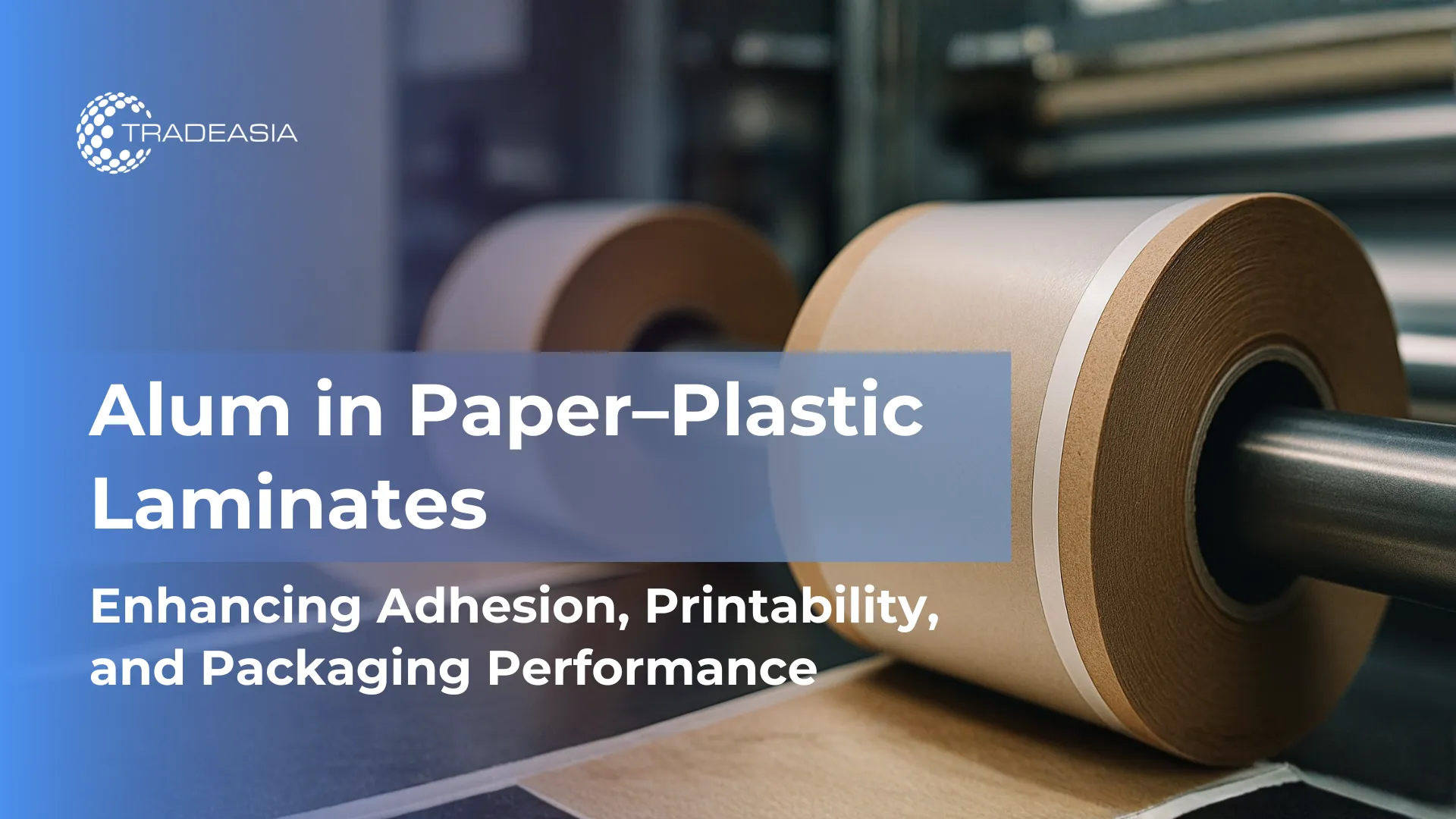
Paper–plastic laminates play a central role in today’s packaging market, offering durability, moisture resistance, and printable surfaces for consumer products. These laminates typically combine paper with polymer films such as LDPE, PP, or PET polyethylene terephthalate, depending on the application. One of the key chemical inputs in the lamination process is alum, also known as aluminum sulfate, used to modify the surface energy of paper and enhance adhesion strength between the paper and plastic layers.
Alum’s use in paper–plastic laminates is well documented across the packaging industry, particularly in extrusion coating and adhesive lamination. Research papers from ScienceDirect highlight the significance of surface charge modification in improving adhesion between hydrophilic paper and hydrophobic polymers such as LDPE and PP. This gap is where alum plays a crucial functional role, conditioning the paper fibers to better bond with polymers during heat or adhesive lamination.
With the steady growth of global packaging demand—driven by food, consumer goods, and e-commerce—laminate performance continues to determine product shelf life, print quality, and barrier protection. As manufacturers seek stronger, more durable laminates, the role of specialty chemicals like alum becomes increasingly important to maintain consistency and efficiency in production.
2. Understanding Alum and Its Role in Lamination Chemistry
Alum (Al₂(SO₄)₃) has long been used in papermaking as a sizing agent, charge neutralizer, and surface treatment chemical. In laminates, its primary function is to improve adhesion between paper and plastic films by modifying the paper’s internal fiber charge. This chemical conditioning improves the compatibility of cellulose with non-polar polymers, resulting in stronger composite materials. Without alum, the lamination process often suffers from delamination, poor peel strength, and inconsistent bond formation.
Studies from sources like Wiley Library confirm that alum helps promote better binding of fillers and improves paper stiffness—two important properties that directly influence laminate strength. When alum is applied before extrusion coating, the paper absorbs water uniformly and forms a more receptive surface for LDPE or PP's molten layer. This synergy between chemical treatment and polymer extrusion is critical for achieving high-quality laminated structures used in food packaging and industrial wraps.
Moreover, alum improves the hydrophobic balance of paper surfaces, making them less sensitive to moisture. This is essential because moisture can interfere with bonding during lamination, especially when the plastic component is a low-polarity polymer like LDPE or PP. Alum’s role in water resistance therefore provides a more stable substrate for lamination lines operating at high speeds.
Industrial users requiring alum for surface treatment and lamination can source commercial grades through Chemtradeasia:
3. Why Alum Is Essential in Paper–Plastic Laminate Manufacturing
One of alum’s most important benefits is its ability to significantly improve paper–plastic interface strength. This prevents delamination during converting, forming, printing, and end-use handling. For packaging manufacturers, a strong interface is key to reducing production losses and ensuring laminates perform well across supply chains—especially in flexible packaging, bag making, and carton lamination.
Alum also plays a vital role in enhancing print quality. Laminates often require flawless print surfaces for branding, barcodes, and regulatory information. Alum-treated paper exhibits improved ink retention, reduced bleeding, and stronger holdout properties on plastic films. Research from Springer Material shows that alum-based treatments improve surface smoothness and optical properties, enabling sharp, high-resolution printing even on multilayer laminates.
Another advantage is improved runnability on extrusion coating lines. Paper substrates treated with alum show better dimensional stability under heat, reducing wrinkles, shrinkage, and blistering during lamination. For LDPE and PP films, this stability translates into more consistent coating thickness and improved adhesion uniformity, resulting in premium-quality laminated sheets.
4. Interaction of Alum with LDPE, PP, and PET Films
LDPE is one of the most widely used plastics in extrusion coating due to its flexibility and heat-sealing performance. Alum treatment improves paper’s zeta potential and internal strength, enabling LDPE to form stronger mechanical bonds with paper fibers during co-extrusion. This combination is extensively used in food packaging, milk cartons, and moisture-resistant wraps. Manufacturers seeking LDPE grades compatible with lamination can visit:
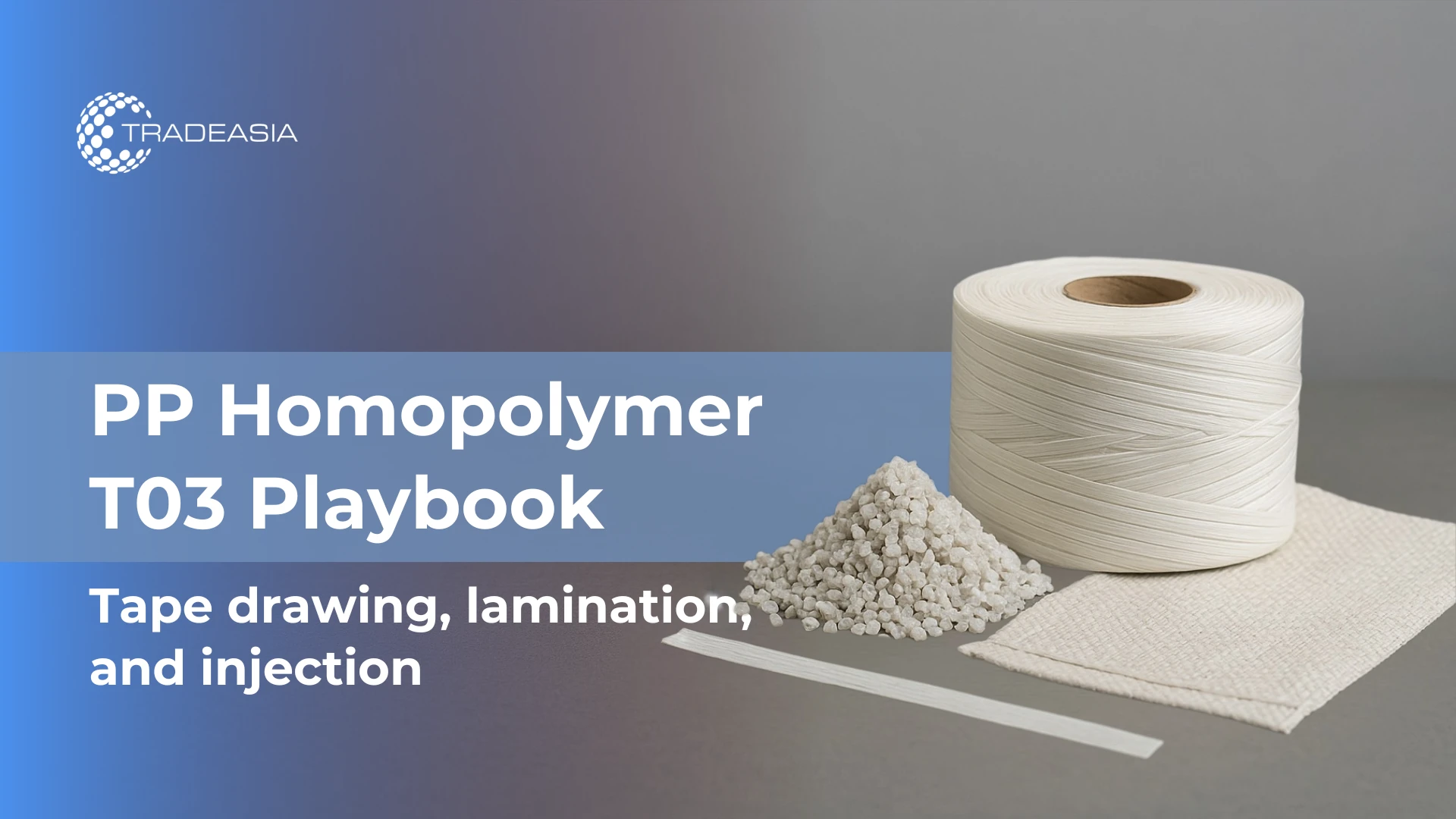
PP (Polypropylene Homopolymer) is frequently used in high-strength laminates for snack packaging, textile bags, and industrial wrapping. PP’s low polarity makes adhesion challenging without chemical intervention. Alum conditioning enhances paper’s surface charge and pore structure, resulting in improved adhesion to PP films. Plastradeasia provides PP Homopolymer options suitable for lamination:
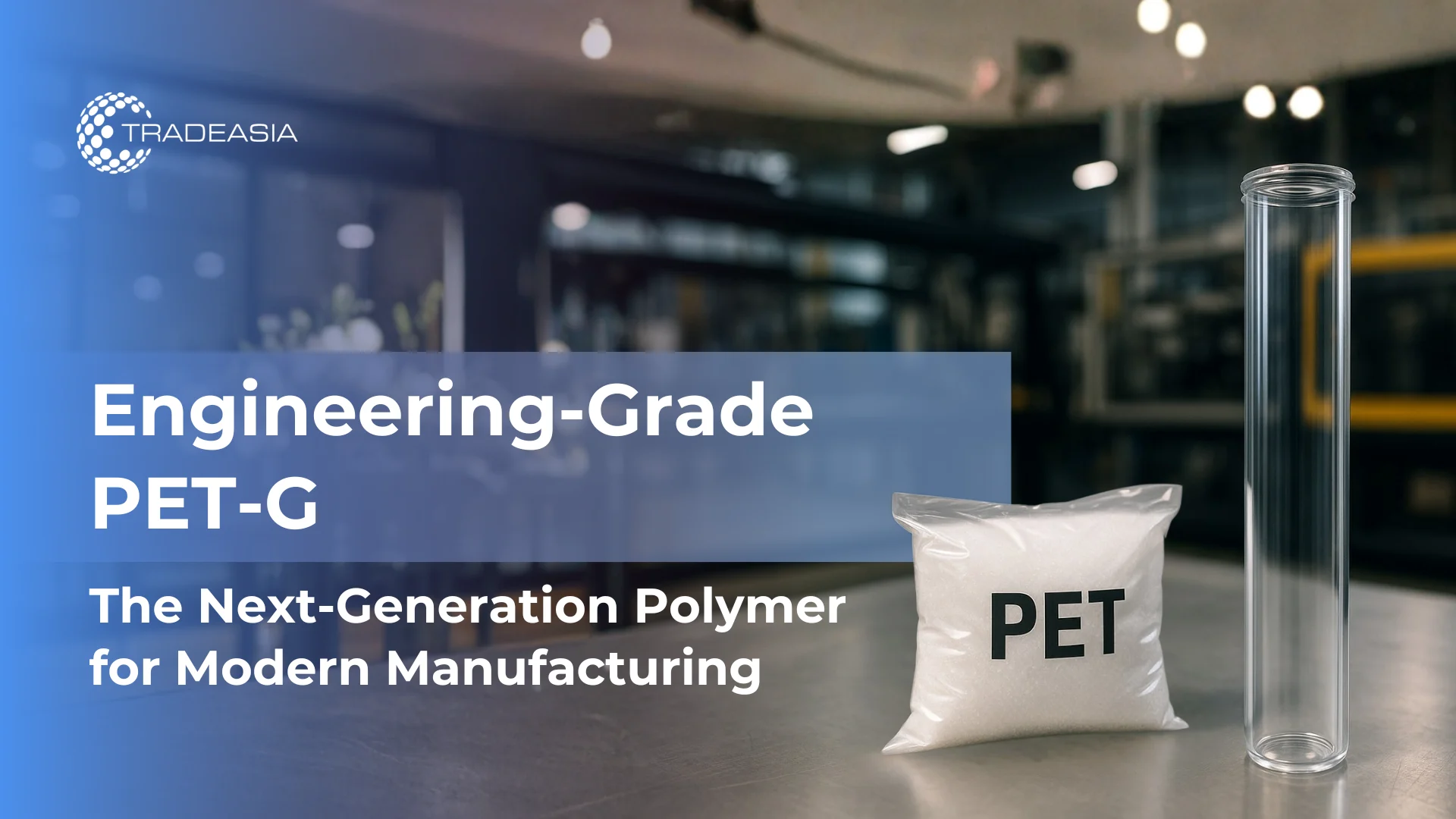
PET (Polyethylene Terephthalate) films are valued for their dimensional stability, printability, and barrier properties. In laminates, PET is commonly adhered to paper using adhesives; however, alum-treated paper improves adhesive wetting and bonding uniformity. This helps reduce defects and ensures long-lasting laminate performance. PET grades for laminates can be sourced here:
5. Industrial Applications in Packaging and Converting
Paper–plastic laminates treated with alum are widely used in the flexible packaging industry. Common applications include food wraps, sachets, carton linings, insulated bags, and specialty pouches. Alum improves the laminate’s bond strength, ensuring packaging maintains integrity through transportation, storage, and handling.
In industrial packaging, alum-treated laminates are used for cement sacks, fertilizer bags, and industrial wrapping materials. The enhanced adhesion strength provided by alum treatment helps ensure the laminate can withstand high stress and heavy loads typical in industrial logistics.
The printing and branding sector also relies heavily on alum-treated laminates. Smooth, receptive surfaces ensure premium-quality prints for FMCG packaging, pharmaceutical labels, and electronics boxes. The improved print fidelity helps manufacturers maintain branding consistency across millions of units.
Manufacturers aiming to request laminate performance testing, polymer data sheets, can access Plastradeasia’s Download Center:
6. Selecting the Right Alum and Plastic Substrates
Selecting the correct alum grade ensures consistent lamination performance. Paper mills and converters typically use alum with controlled purity and dissolvability to avoid residue formation during lamination.
On the polymer side, LDPE is selected for flexible, sealable laminates; PP for strength and high-temperature resistance; and PET for barrier applications. Manufacturers must match the polymer grade to the product’s performance requirements.
External resources from ScienceDirect confirm that polymer choice, surface chemistry, and lamination process parameters all influence final laminate quality. Manufacturers can reference these sources for deeper technical insights.
For expert technical support or material recommendations, manufacturers may contact the Plastradeasia commercial team:
7. Conclusion
Alum plays a crucial but often overlooked role in the performance and durability of paper–plastic laminates, especially those involving LDPE, PP, and PET films. By modifying the paper’s surface chemistry, alum significantly enhances adhesion, printability, and moisture resistance—properties essential for modern packaging and industrial converting applications. As brands demand stronger, more sustainable, and higher-quality packaging solutions, the synergy between alum treatment and polymer lamination becomes increasingly relevant.
Manufacturers seeking reliable alum supplier options can explore Chemtradeasia’s global distribution network:
Companies sourcing polymers used in laminates, including LDPE, PP Homopolymer, and PET polyethylene terephthalate, can access Plastradeasia’s full product catalog:
Technical data sheets and lamination application guidance are available in the Plastradeasia Download Center, and businesses requiring bulk sourcing, OEM solutions, or product matching support can engage the commercial team for direct consultation:
With trusted supply chains, technical knowledge, and commercial expertise, Plastradeasia and Chemtradeasia remain the preferred partners for manufacturers seeking high-quality polymers and alum solutions for industrial lamination.
Leave a Comment